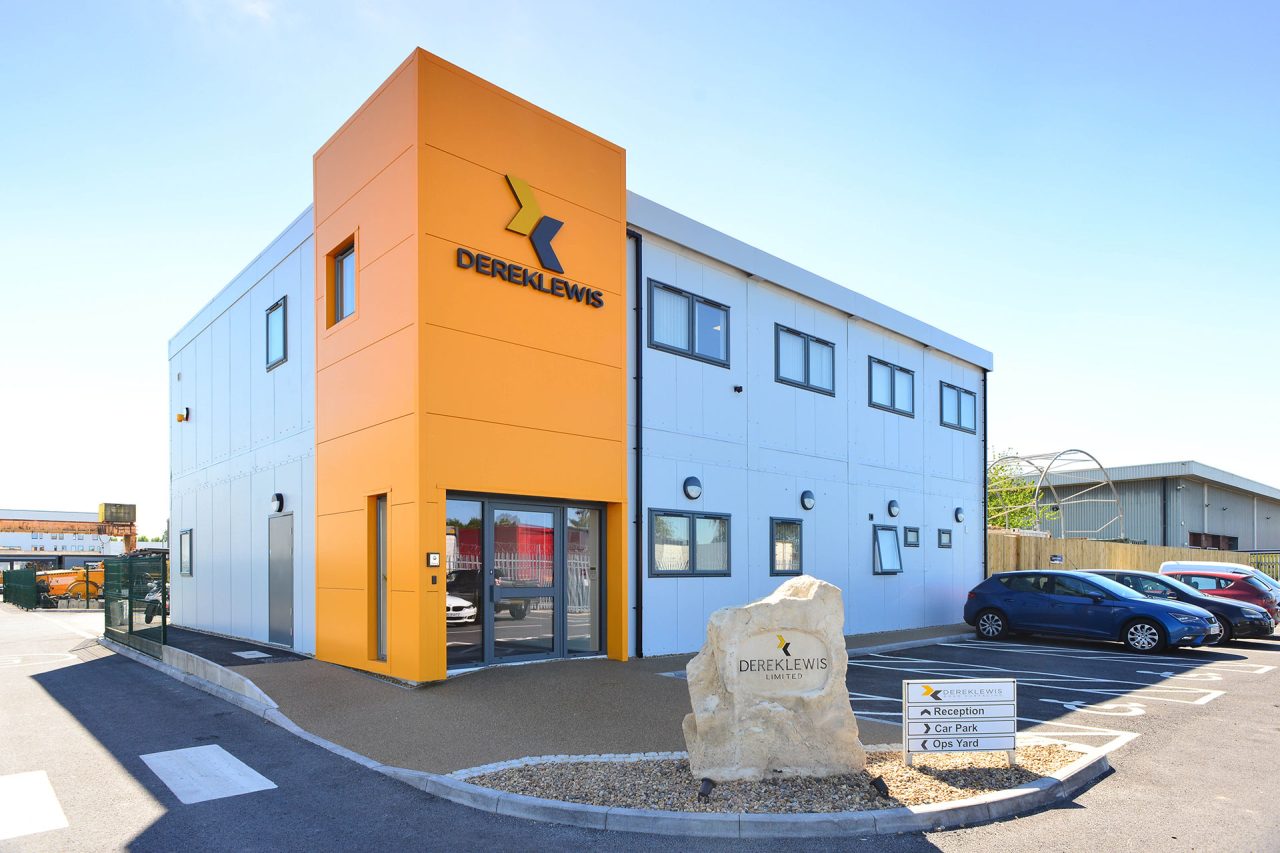
Design for Manufacture First
The building is conceived around repeatable, transportable modules, eliminating redesign, improvisation and trade clashes typical of traditional construction.
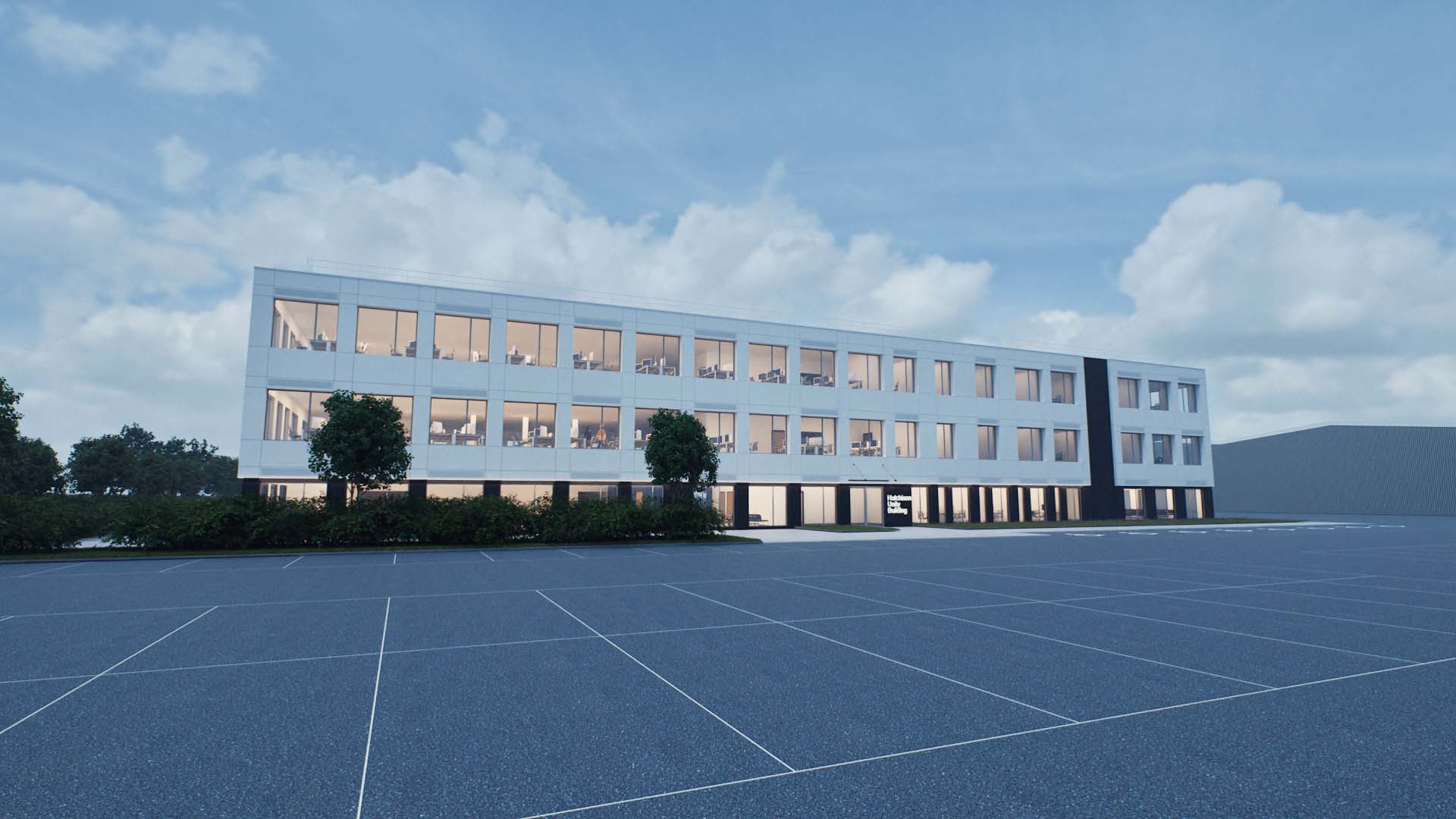
The Port of Felixstowe is a live, secure, 24/7 operational environment where programme certainty, minimal disruption and technical robustness are critical to successful delivery. Traditional construction methods rely on prolonged site activity, sequential working and late-stage coordination, all of which introduce avoidable operational and commercial risk within an active port setting.
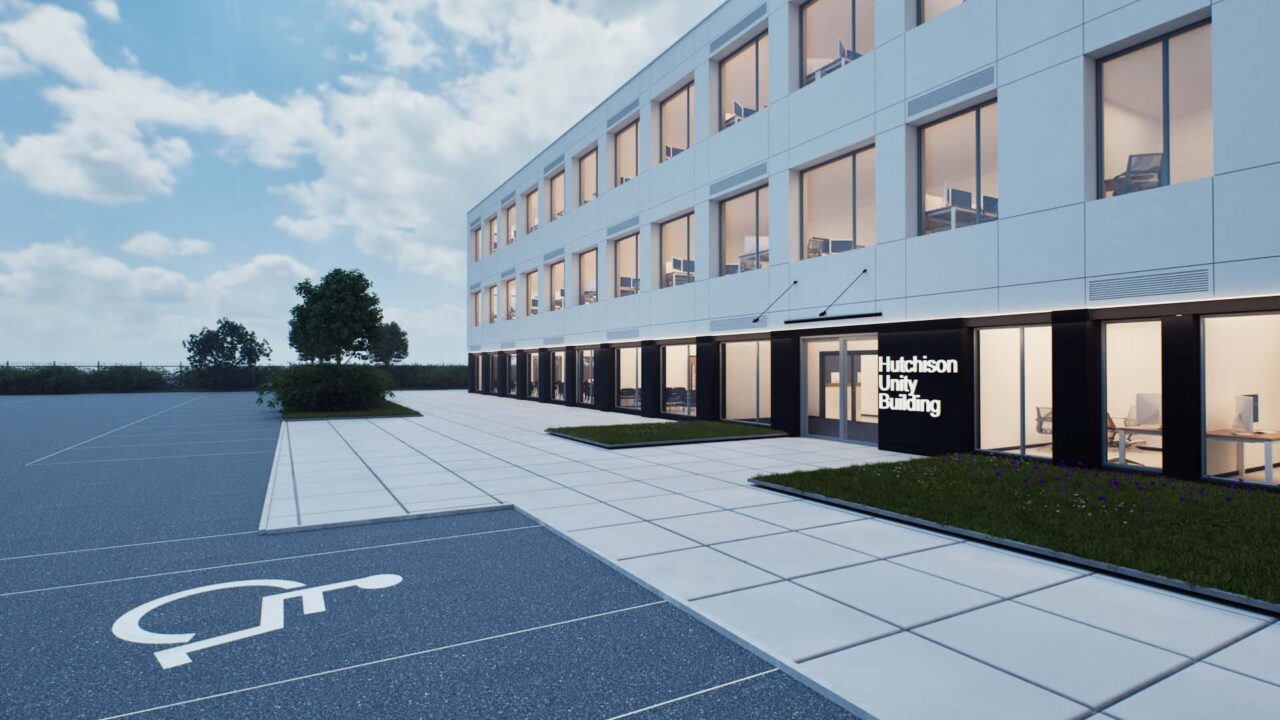
Wernick Buildings proposes a permanent modular solution specifically designed for delivery within live port environments. Offsite manufacture is undertaken in parallel with early enabling and foundation works, significantly compressing the overall programme when compared with traditional construction methods, while reducing onsite duration, interfaces, and operational disruption.
The building is formed from standardised 12.0m x 3.2m steel‑framed modules, manufactured under ISO‑accredited factory conditions. Lightweight construction enables optimised foundations, reducing groundworks cost, settlement risk and programme exposure associated with challenging ground conditions.
Wernick Buildings commits to:

| Risk | Mitigation |
| Programme delay | Parallel offsite manufacture and onsite works remove sequential build risk. |
| Prolonged site activity | High PMV% factory build shortens onsite duration and labour presence. |
| Restricted access & logistics | Fewer, planned module deliveries replace prolonged material movements. |
| Security & site interfaces | Factory finished modules reduce operatives and subcontractor numbers. |
| Ground conditions & settlement | Lightweight superstructure enables optimised foundation solutions. |
| Roof loading & complexity | VRV + MVHR strategy avoids heavy plant, gantries and secondary steel. |
| MEP coordination risk | Services designed for modular manufacture with early coordination. |
| Future maintenance disruption | Decentralised systems provide simpler, internalised access. |
| Future operational change | Modular grid allows vertical or horizontal expansion with minimal disruption. |
| Cost uncertainty | Early design freeze and standardisation deliver predictable £/m² outcomes. |
Designed for Programme Certainty, Buildability and Whole-Life Value

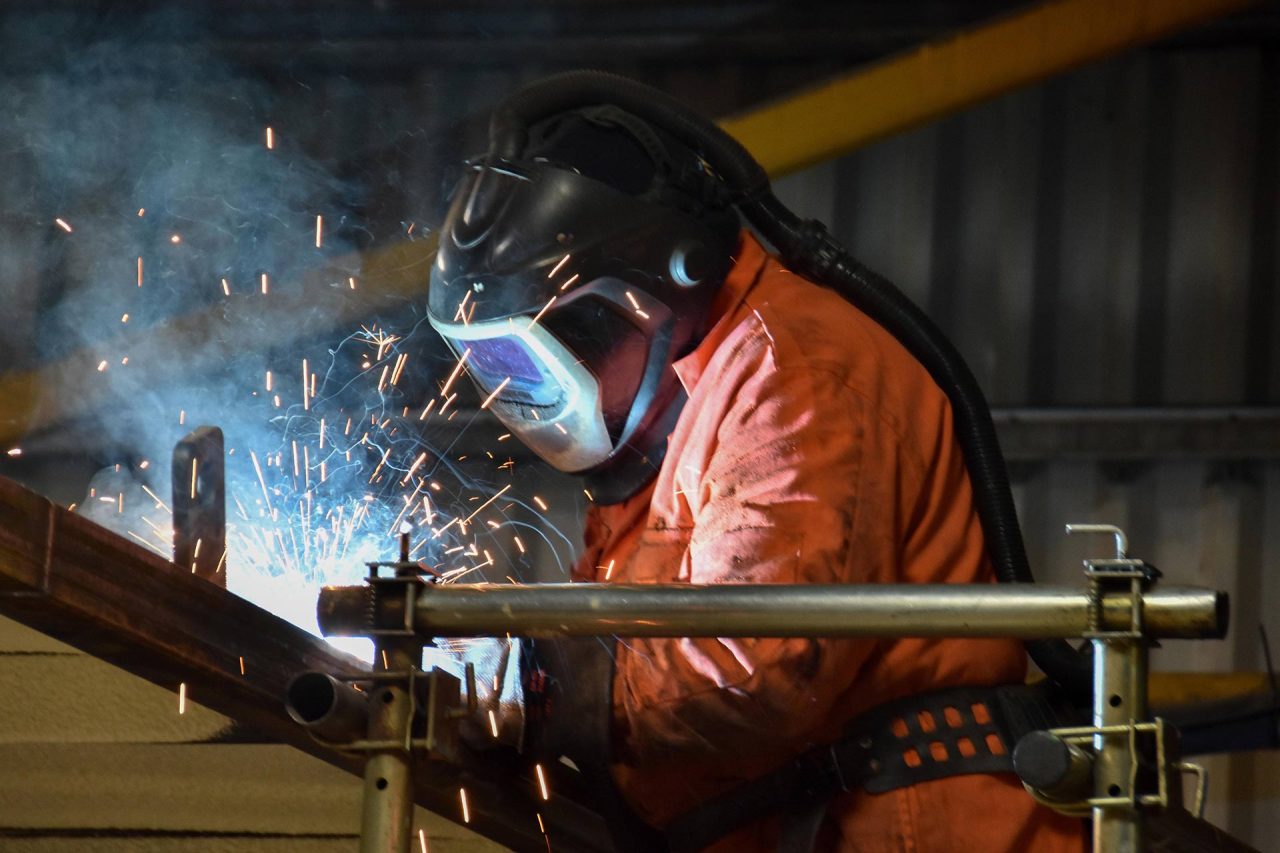
The port operates continuously, with limited tolerance for disruption, road closures or prolonged high labour site activity. Modular construction significantly reduces onsite duration, workforce numbers and interface risk compared to traditional build methods.
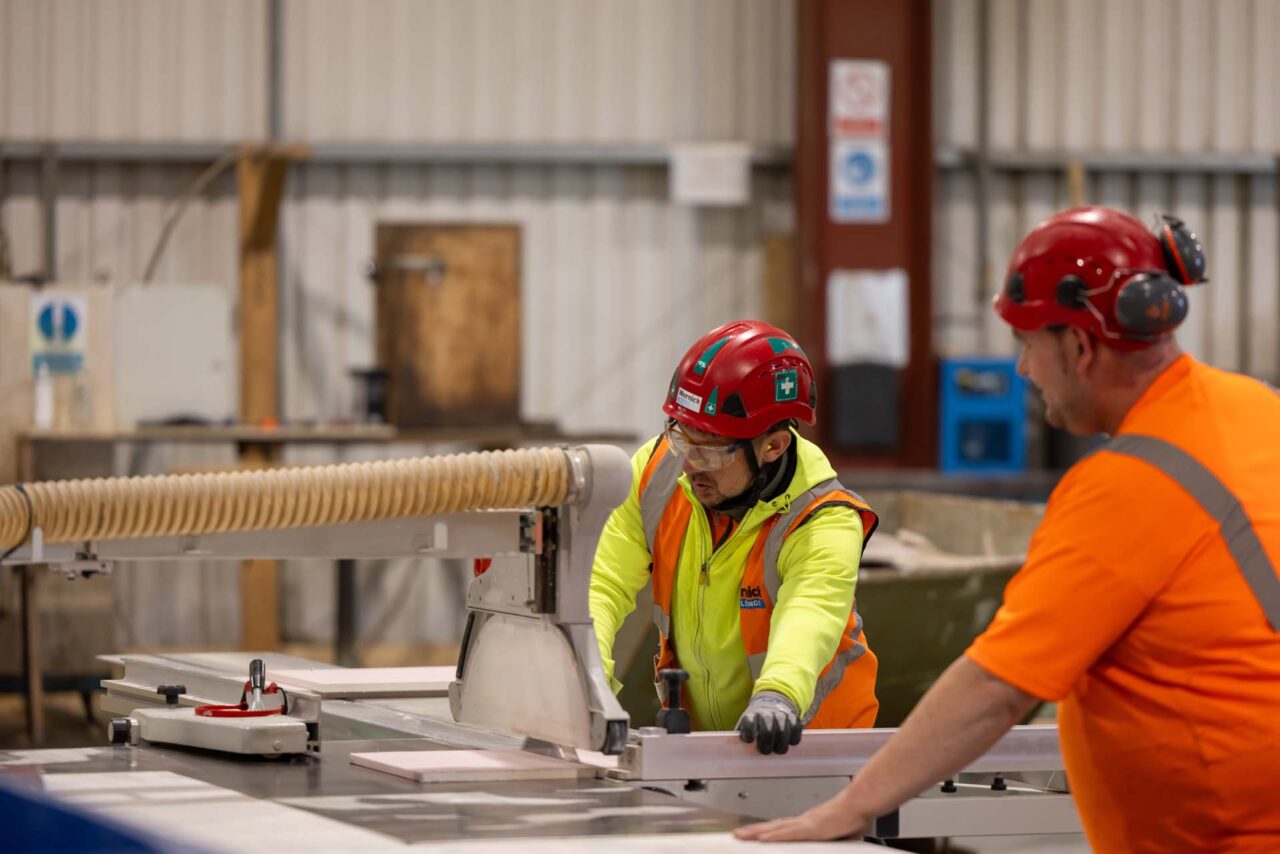
Traditional construction sequences extend programme risk through weather exposure, trade stacking and site dependency. Modular manufacture runs in parallel with early works, delivering a predictable 26–32 week programme versus c.52 weeks traditional, de risking operational planning for the port.
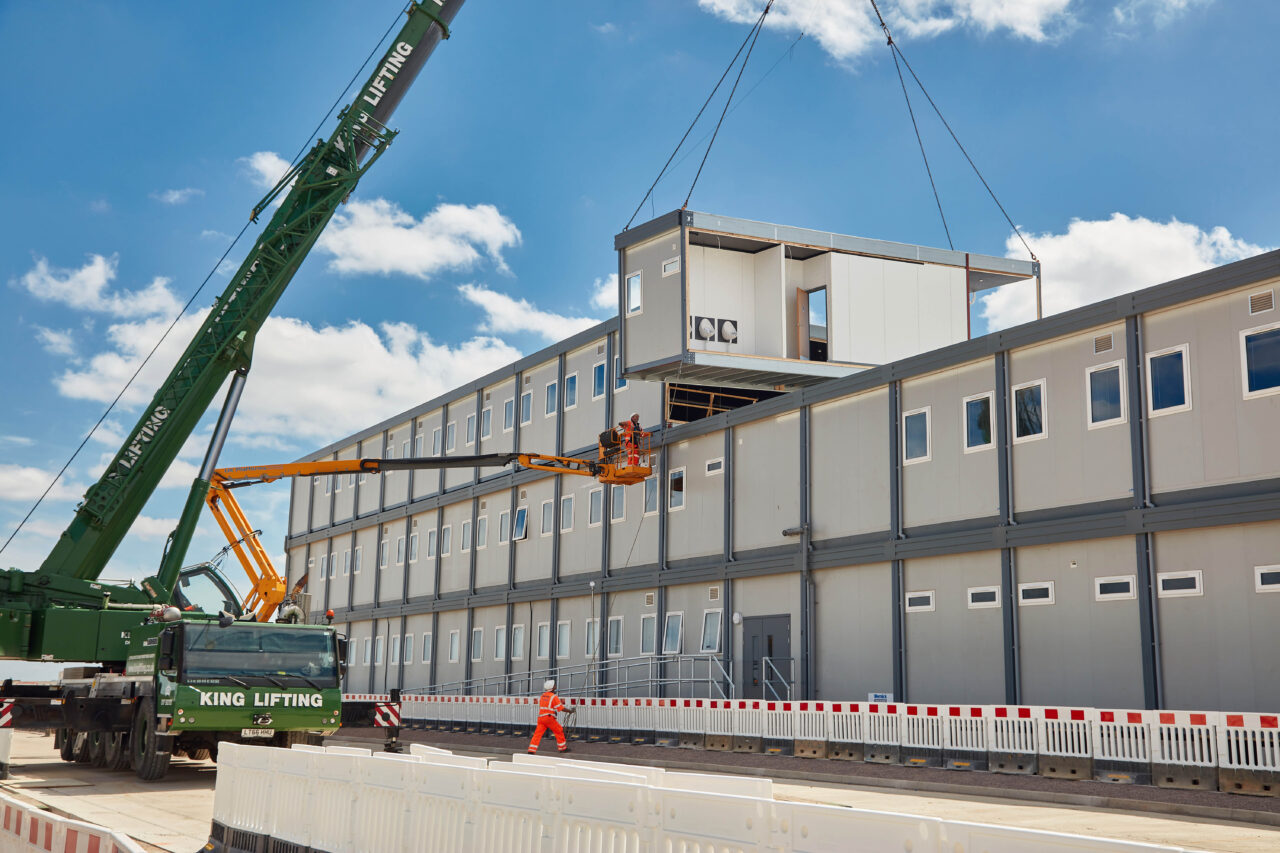
Live port environments limit deliveries, crane usage and plant movements. Modular construction reduces deliveries to module installation phases only, avoiding prolonged congestion and clashes with port logistics and security operations.

Ports require strict access control and reduced third party movement. Factory built modules arrive substantially complete, minimising the number of operatives, subcontractors and inspections required onsite.
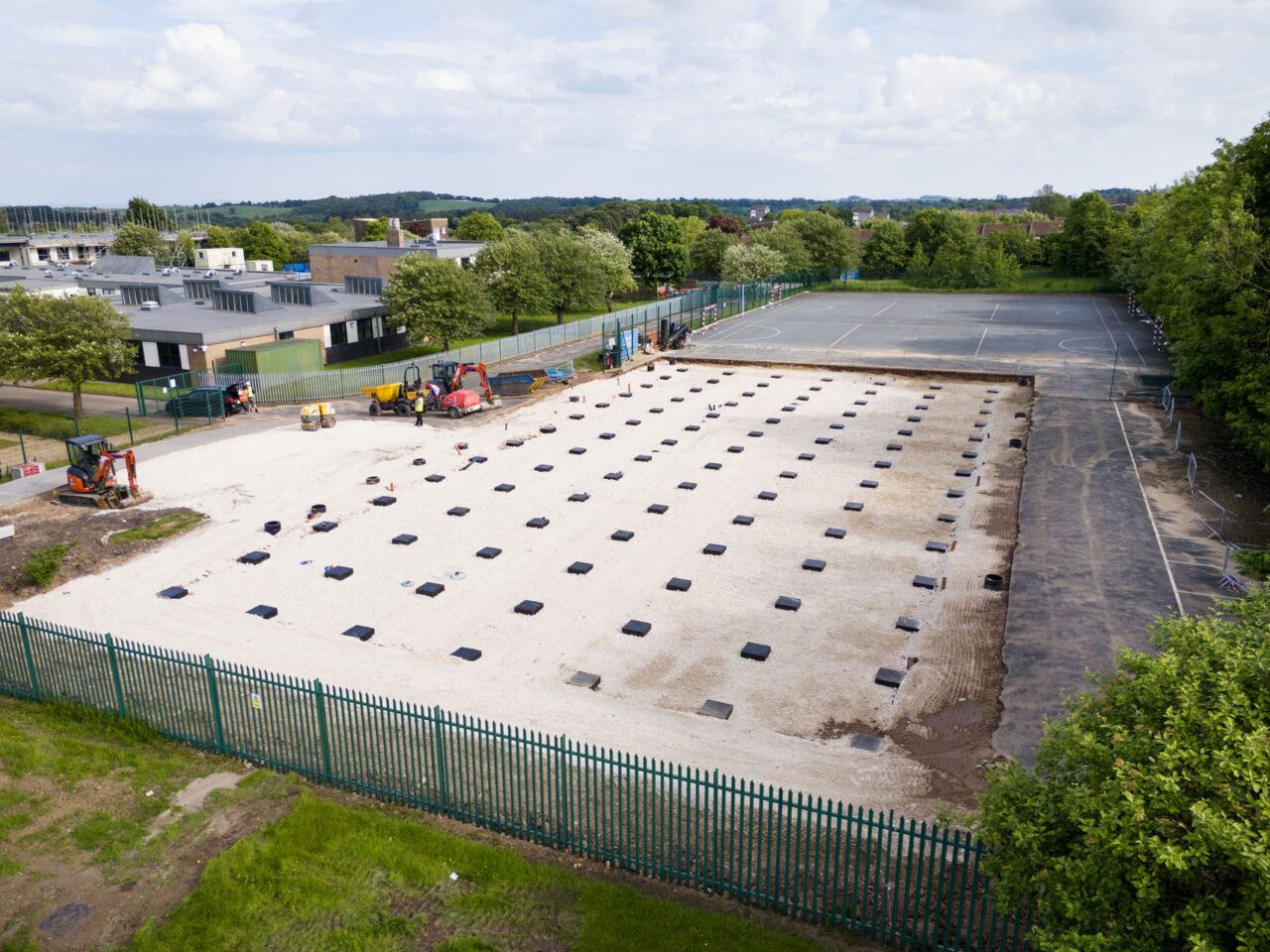
The site benefits from optimised foundations, enabled by a lighter modular superstructure. This avoids costly over engineered piling of traditional builds and reduces settlement risk and groundworks programme.

Traditional solutions introduce heavy rooftop plant, gantries and walkways, increasing structural load, maintenance access risk and long term disruption. The modular aligned VRV + MVHR strategy keeps the roof plant free and maintenance internal, which is critical on a secure operational site and for health and safety.

Port infrastructure must respond to changing operational demand. The modular grid allows future vertical or horizontal expansion without wholesale demolition or prolonged disruption, something traditional construction struggles to deliver efficiently.

Ports require early cost certainty to align with capital planning. Modular standardisation, early design freeze and factory control reduce variation exposure and deliver a more reliable £/m² outcome than traditional construction.
For a live, secure, 24/7 port environment, modular construction is not an alternative approach, it is the only approach that properly manages operational, programme and commercial risk.
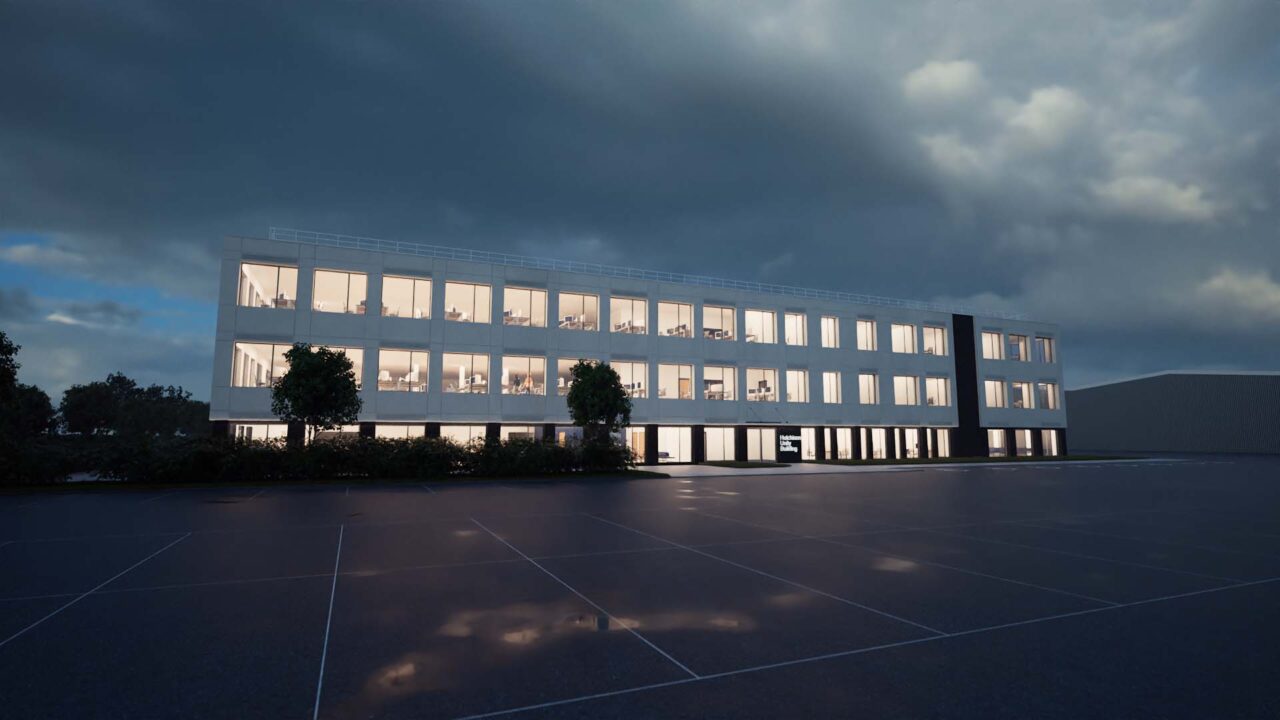
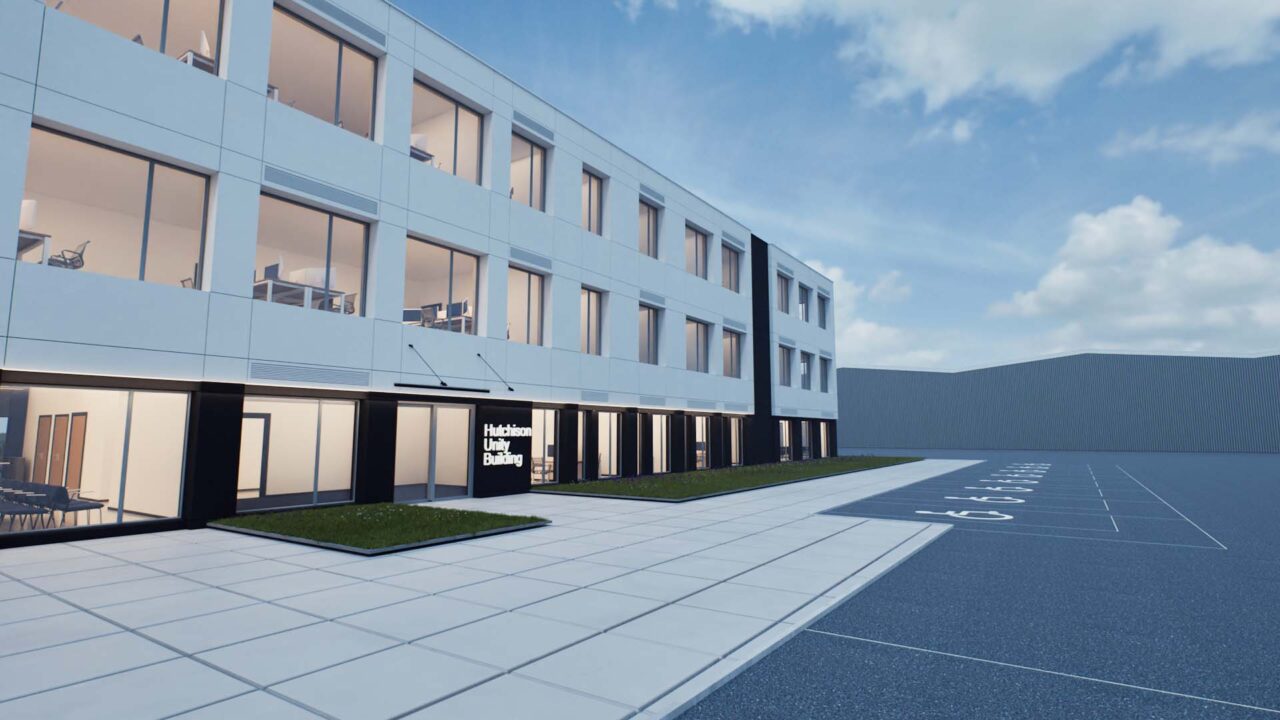


Based on the options chosen we'd recommend the following company.


Based on the options chosen we'd recommend the following company.


Based on the options chosen we'd recommend the following company.


Based on the options chosen we'd recommend the following company.


Based on the options chosen we'd recommend the following company.


Based on the options chosen we'd recommend the following solution.

Based on the options chosen we'd recommend the following solution.

Based on the options chosen we'd recommend the following company.


Based on the options chosen we'd recommend the following solution.

Based on the options chosen we'd recommend the following solution.