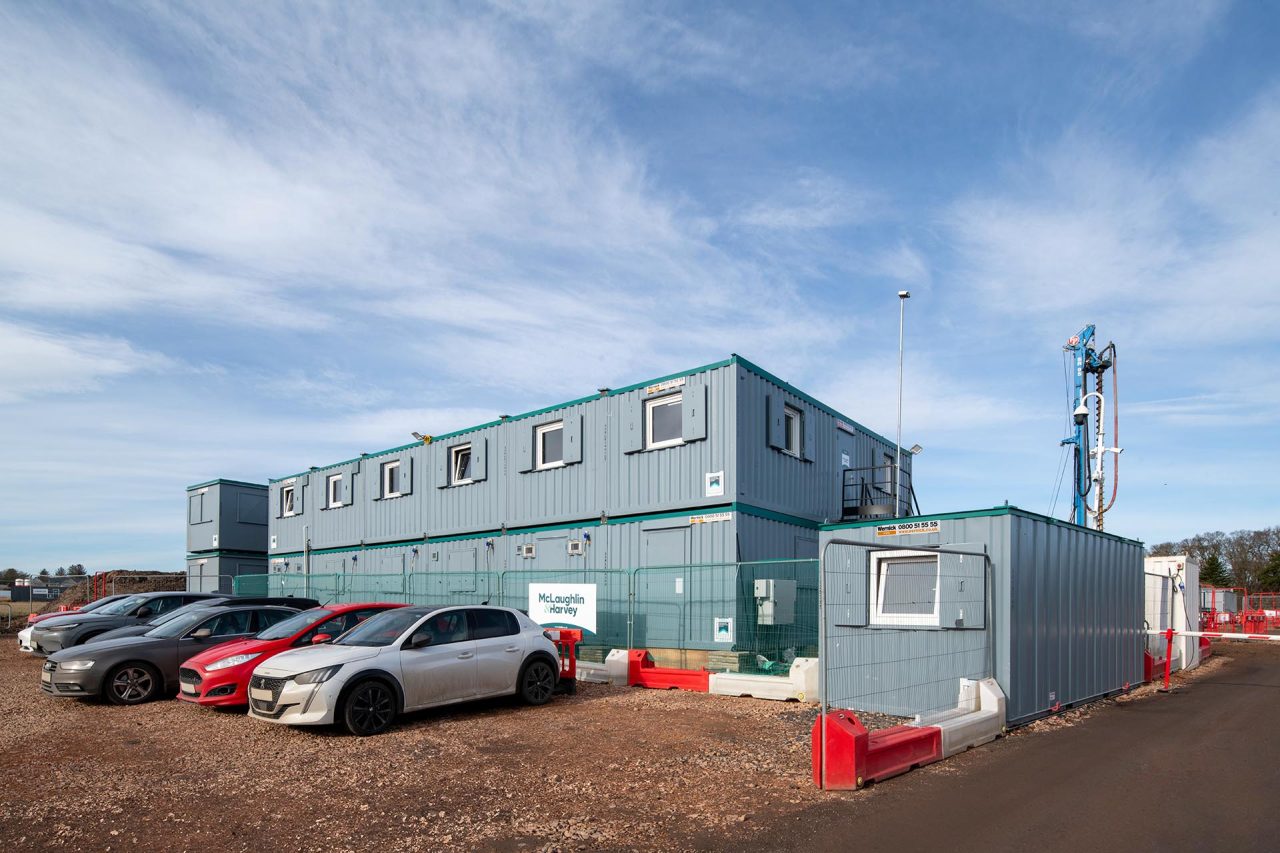
Refurbished modular building supports Network Rail operations
Requirement
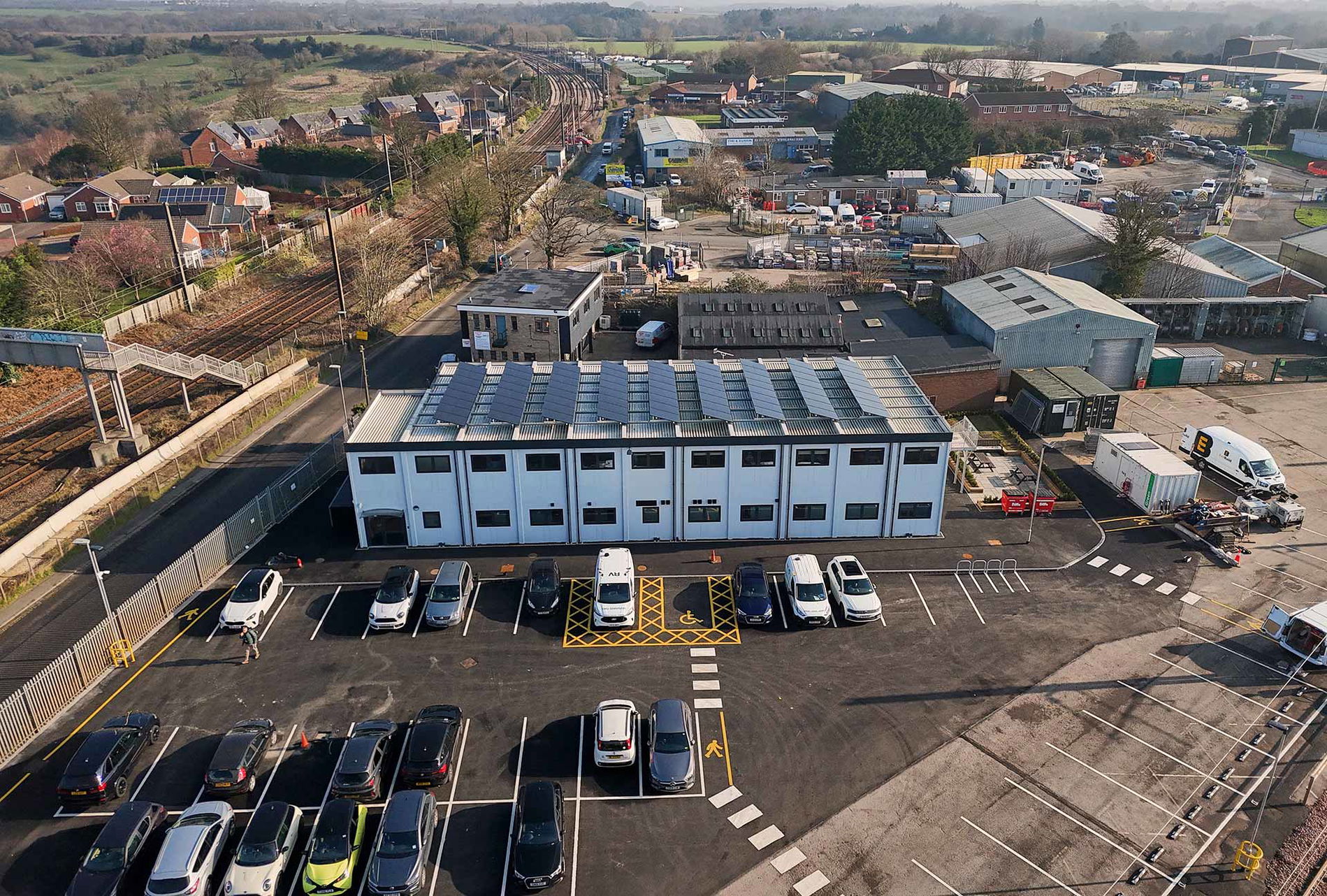
Network Rail owns, operates, maintains and develops railway infrastructure across England, Scotland and Wales. To support ongoing rail improvement works in the North East, the organisation required modern office and welfare facilities for site-based teams at its Morpeth depot.
The existing accommodation on site had reached the end of its operational lifecycle and was no longer fit for purpose. Network Rail required a complete site upgrade to provide high-quality office and welfare facilities while bringing the depot up to modern standards. This included the provision of enhanced infrastructure such as electric vehicle charging points, upgraded site lighting and improved external works.
Wernick Refurbished Buildings was selected to deliver the project due to its expertise in transforming existing modular buildings. The accommodation being refurbished was an existing Network Rail-owned building, and Wernick demonstrated its ability to deliver a high-quality refurbishment solution that met the client’s operational, sustainability and programme requirements.
- Client name: Network Rail
- Project name: Morpeth MDU Refurbishment
- Sector: Rail
- Location: Morpeth
- No. of modules: 22
- Accommodation type: Depot offices and welfare accommodation
- CO2 savings: 79.86 tonnes CO2e
- Social value contribution: £33,000
Solution
Wernick Refurbished Buildings delivered a comprehensive turnkey solution, undertaking the full refurbishment and redevelopment of the site while maintaining Network Rail’s operational requirements throughout the project.
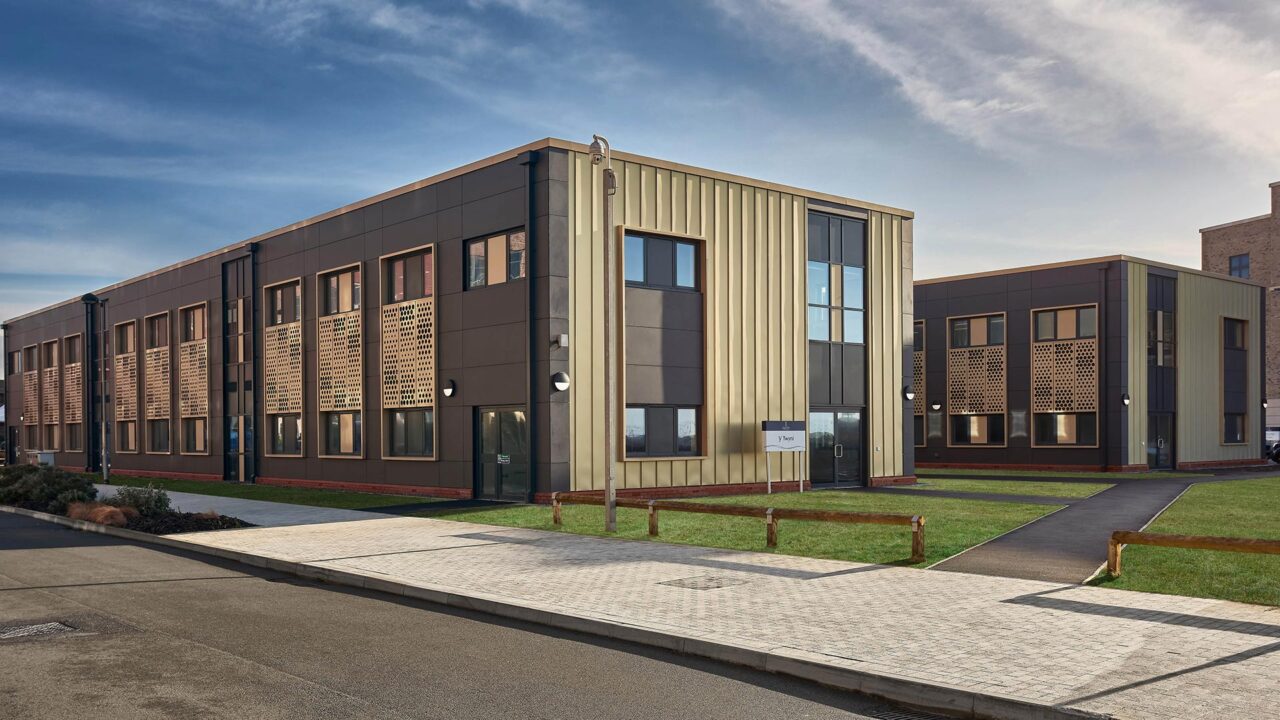
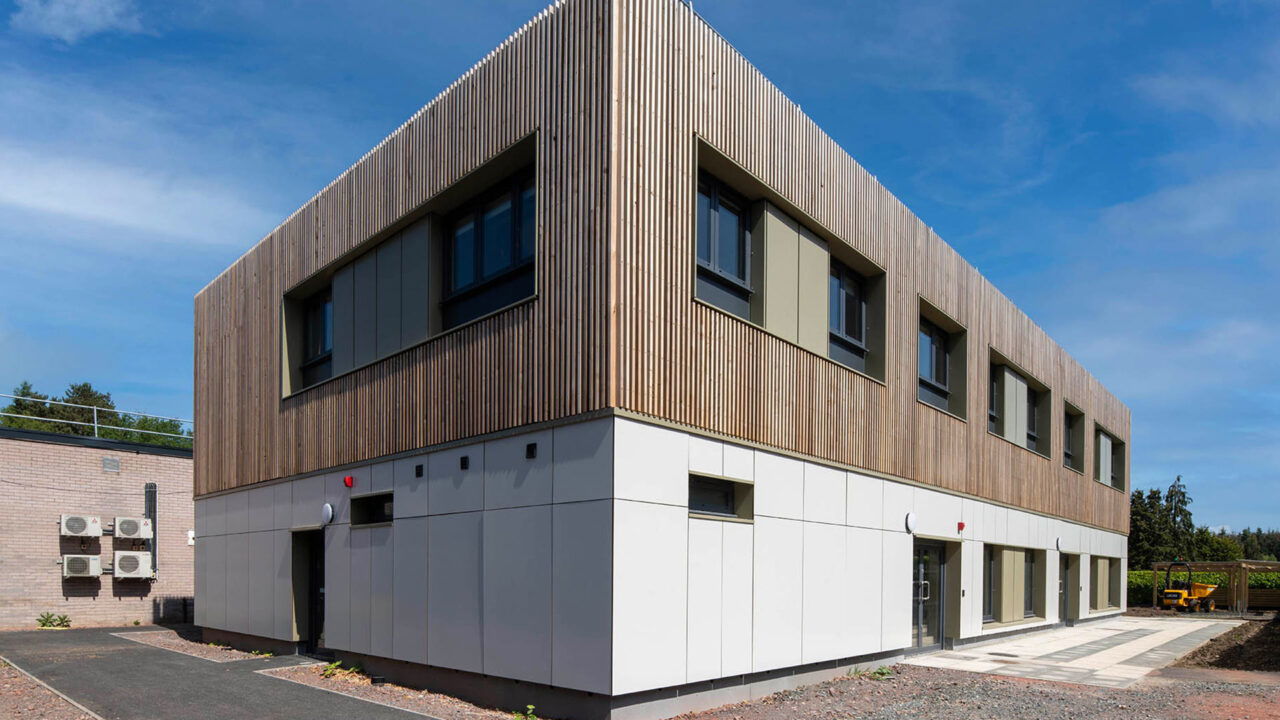
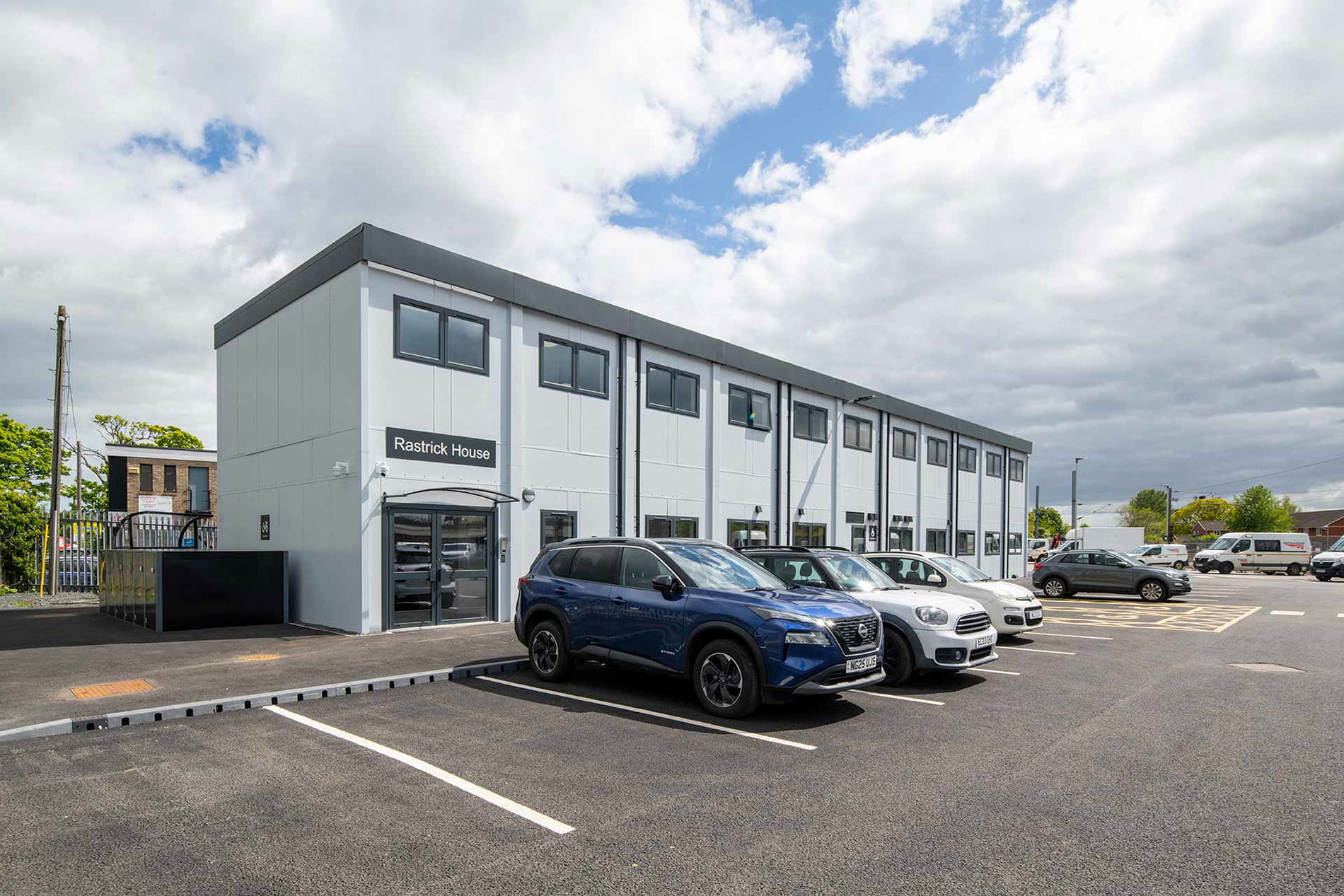
The scheme involved the transformation of an existing Network Rail-owned modular building into a modern, high-specification depot facility. By refurbishing and repurposing the existing structure rather than constructing a new building from scratch, the project significantly reduced material consumption, waste generation and embodied carbon, demonstrating the environmental benefits of circular construction.
The project commenced with the clearance of the existing accommodation and extensive site preparation works, including new foundations, drainage infrastructure and utility connections. Following the installation of the refurbished modular building, Wernick completed all internal fit-out works before demolishing and removing the outdated accommodation. The final phase included the construction of a new car park, upgraded site lighting and a secure entrance gate.
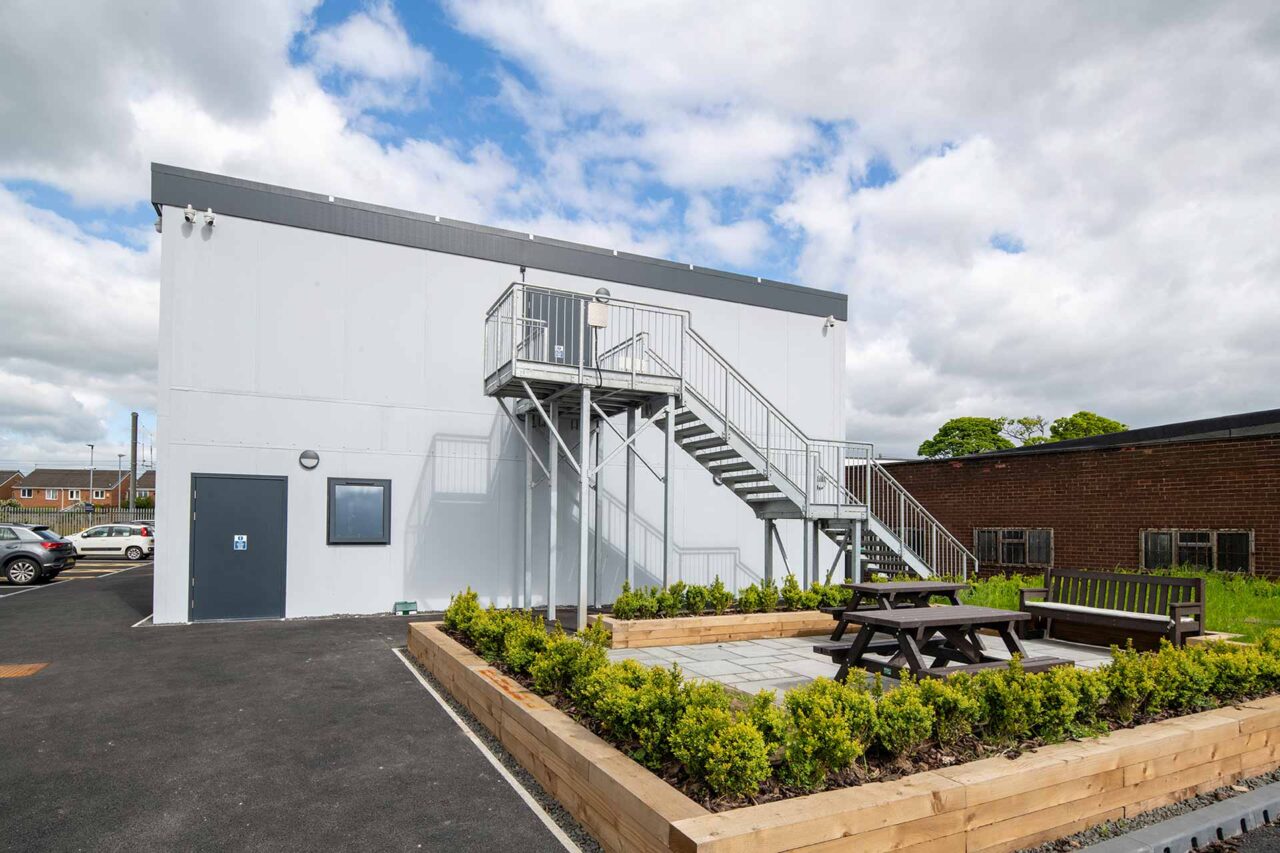
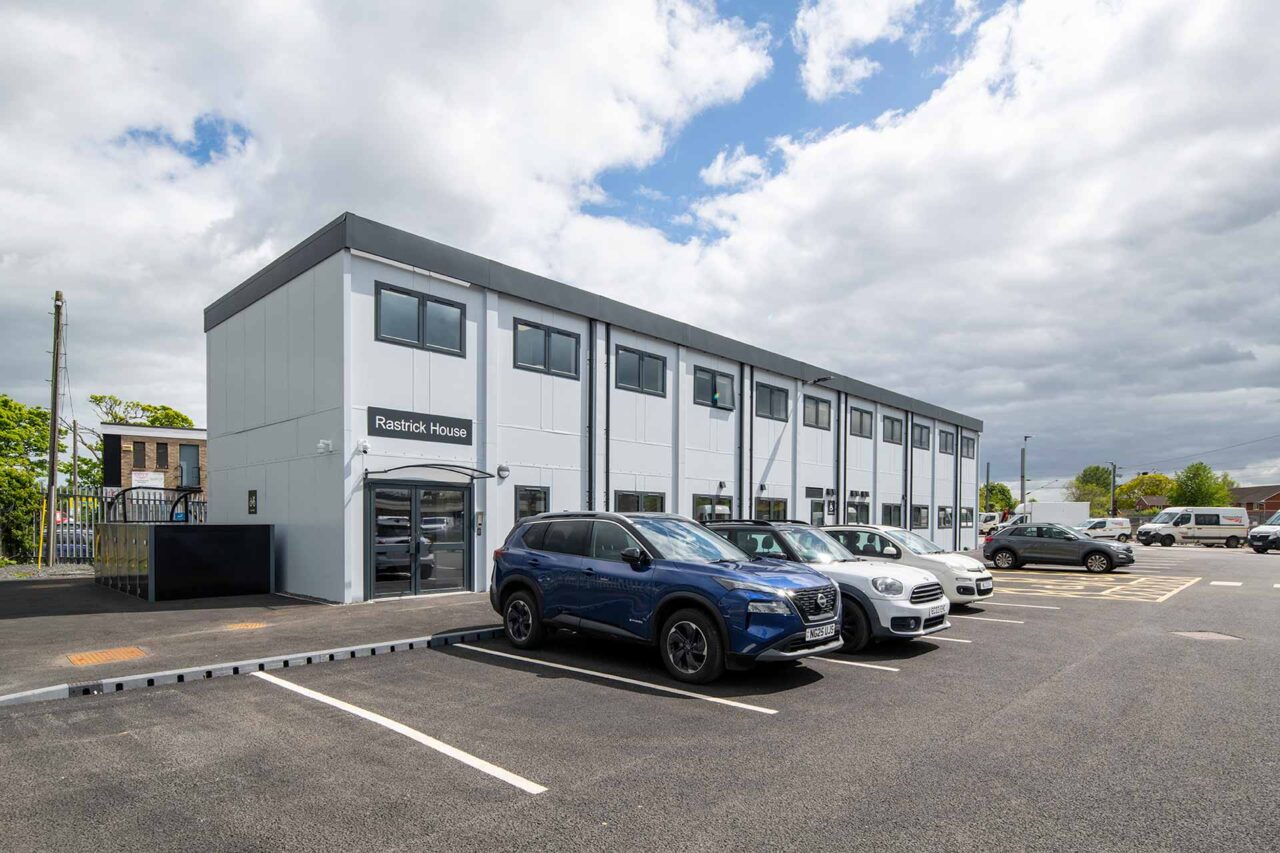
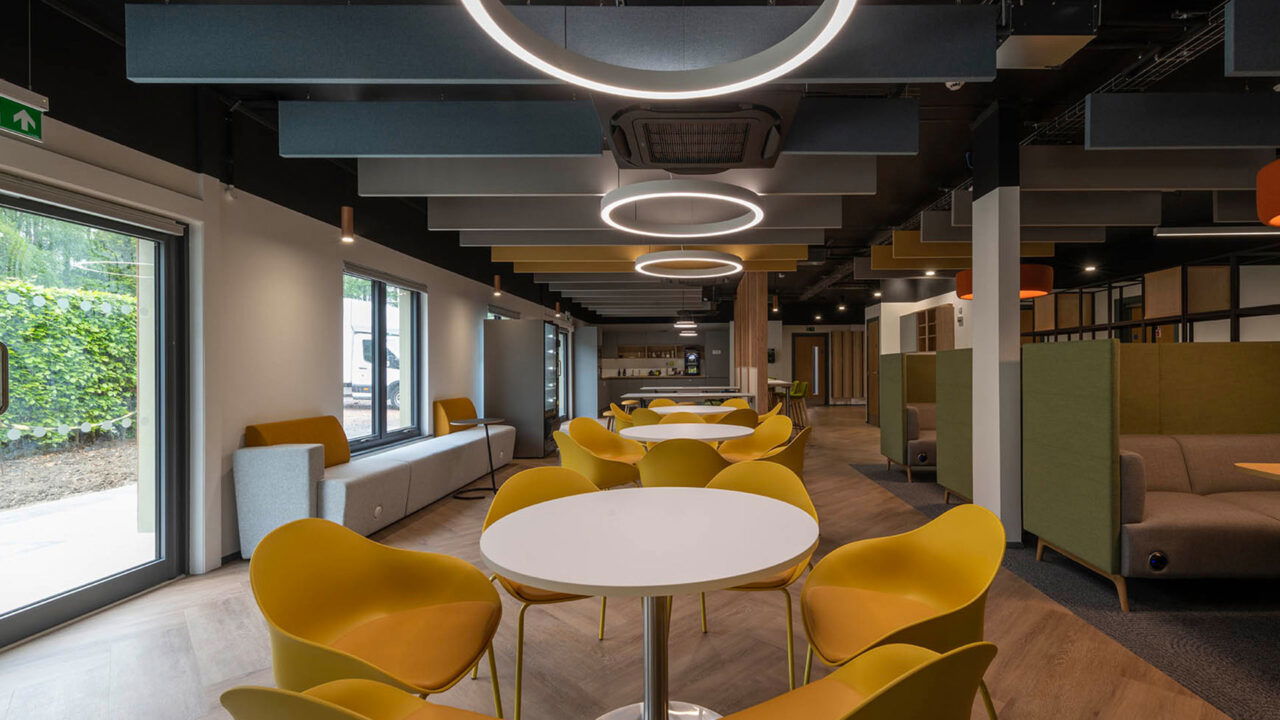
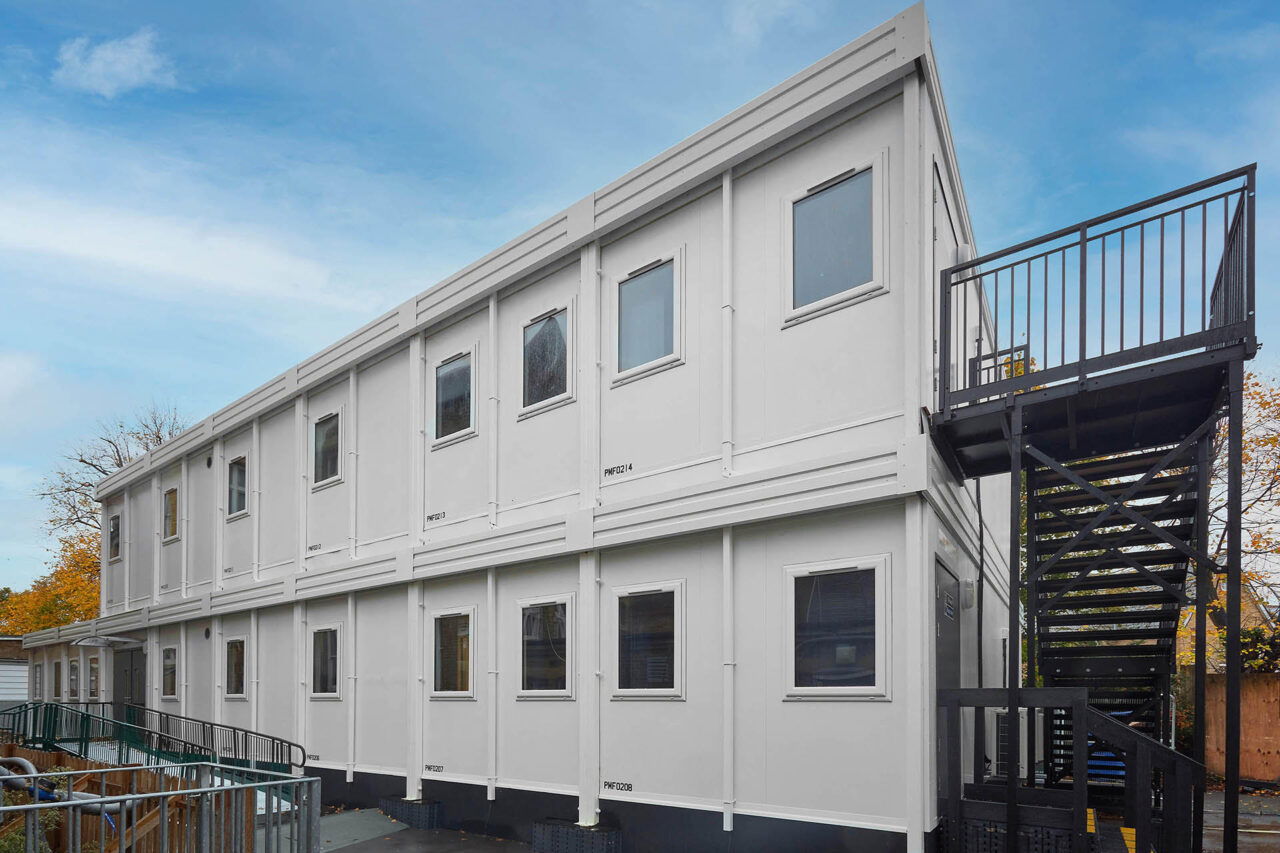
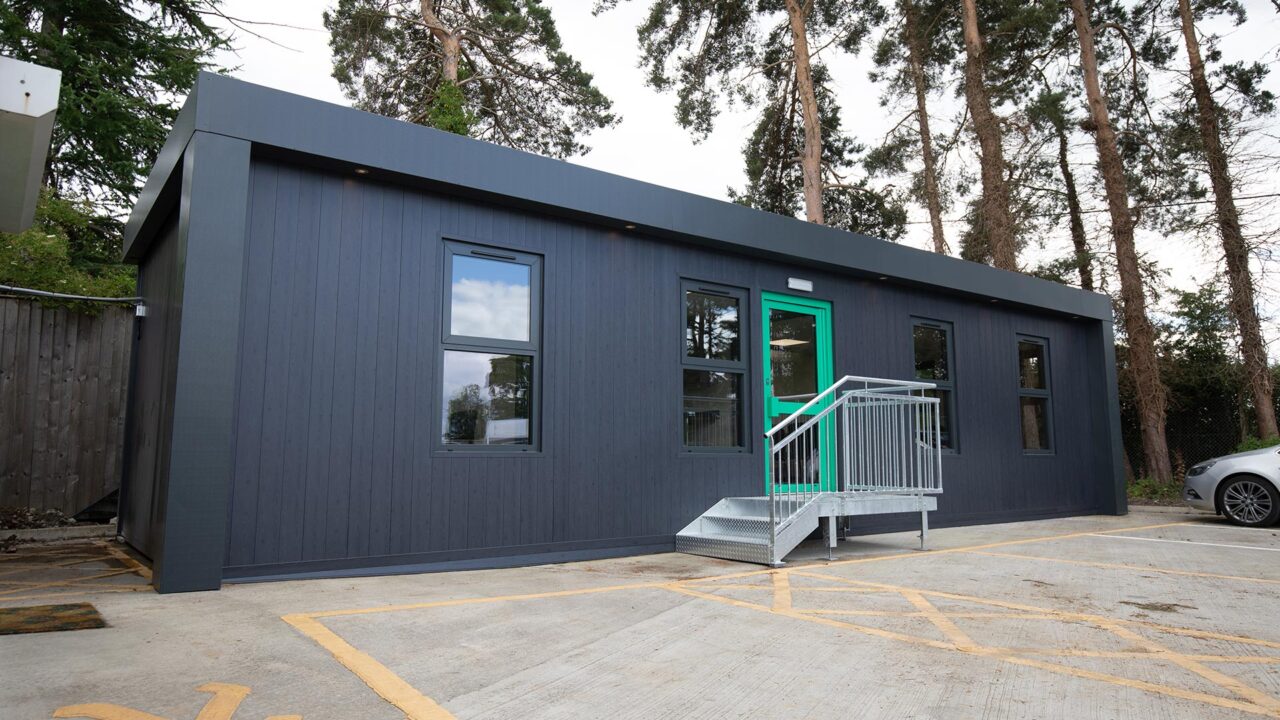
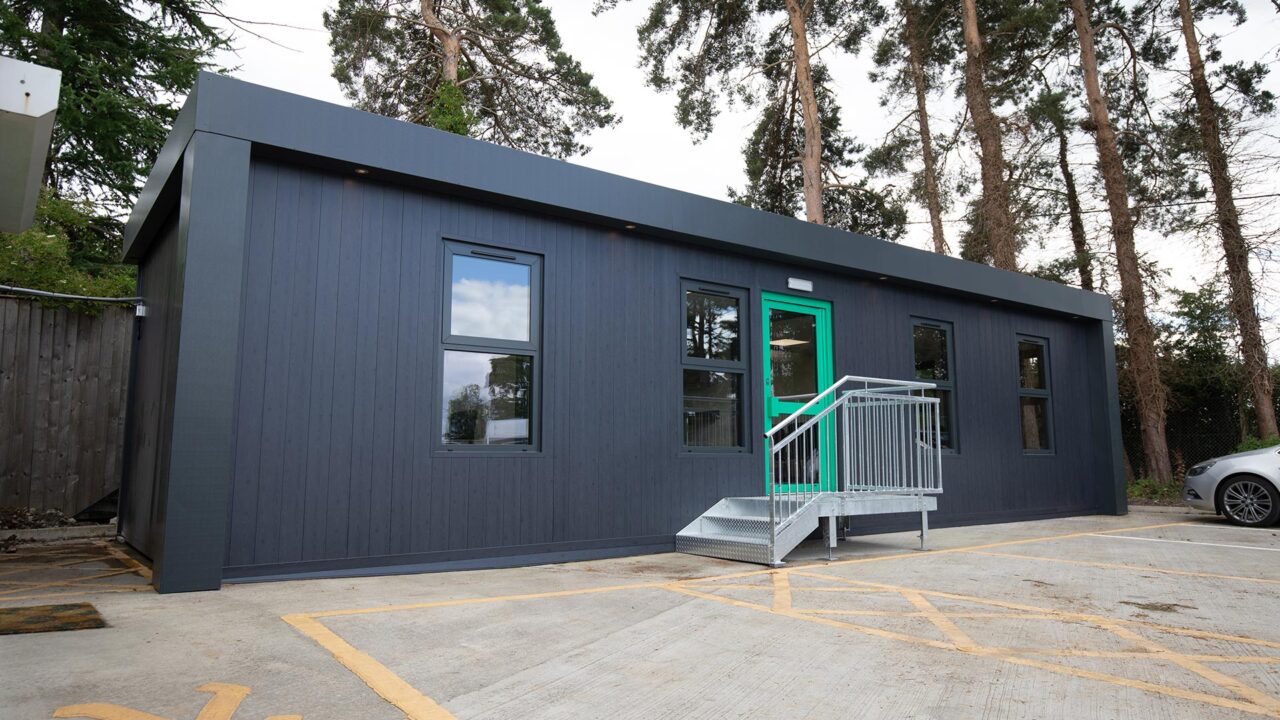
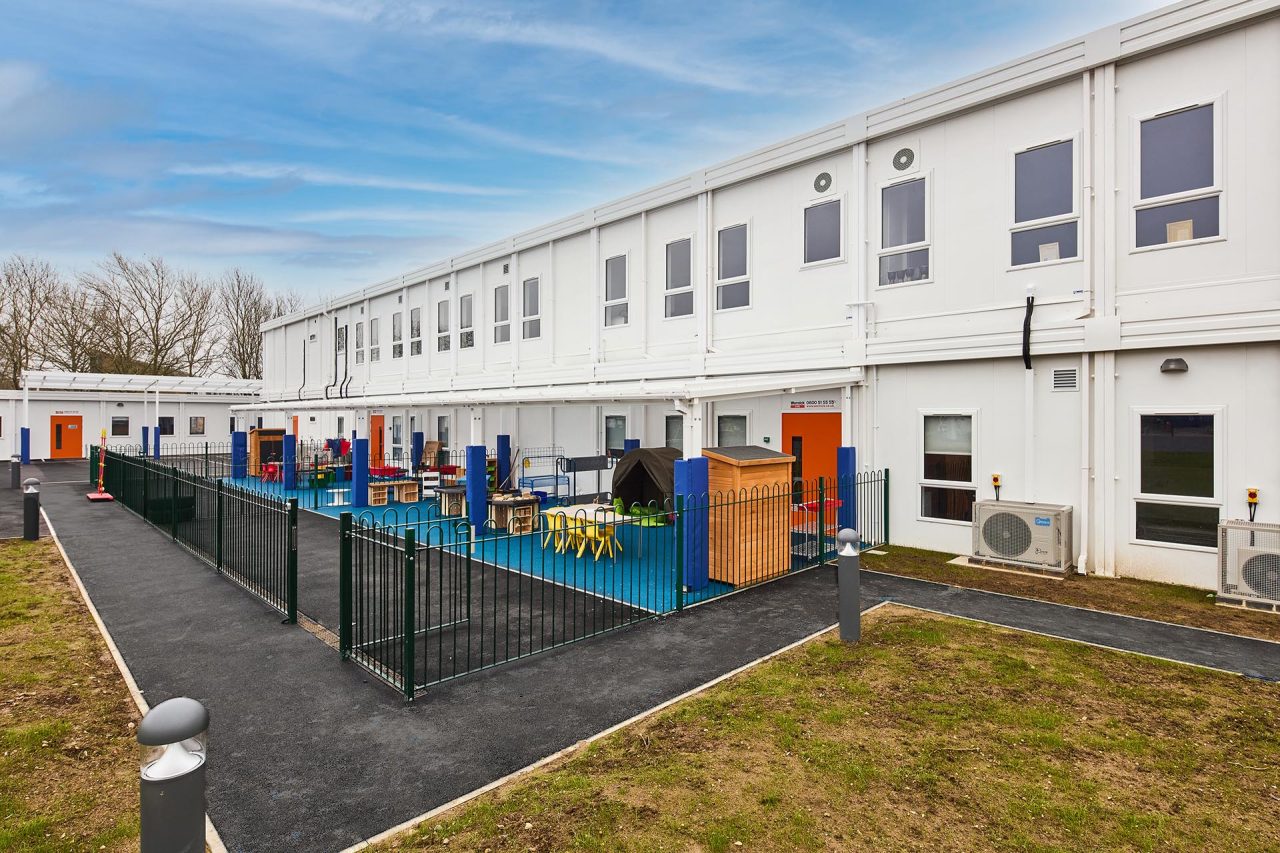
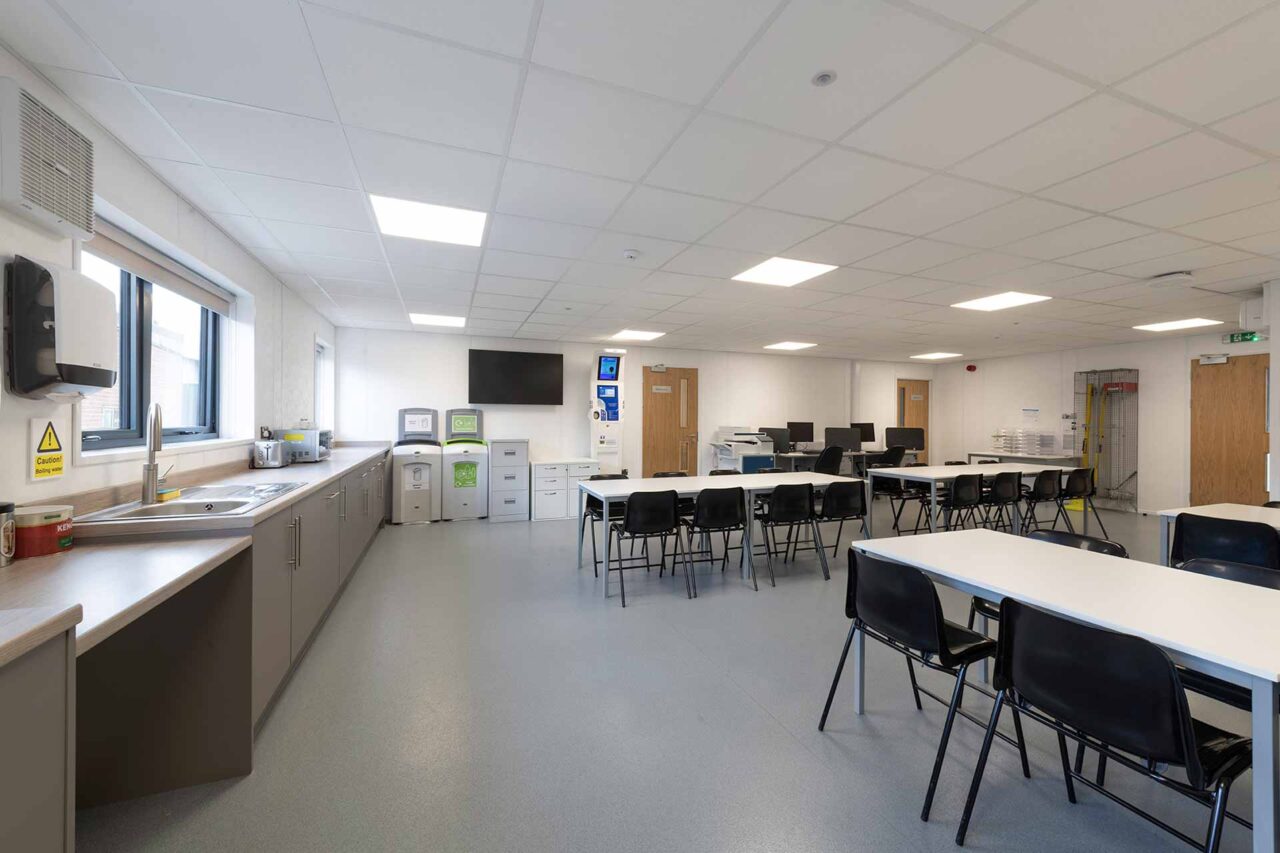
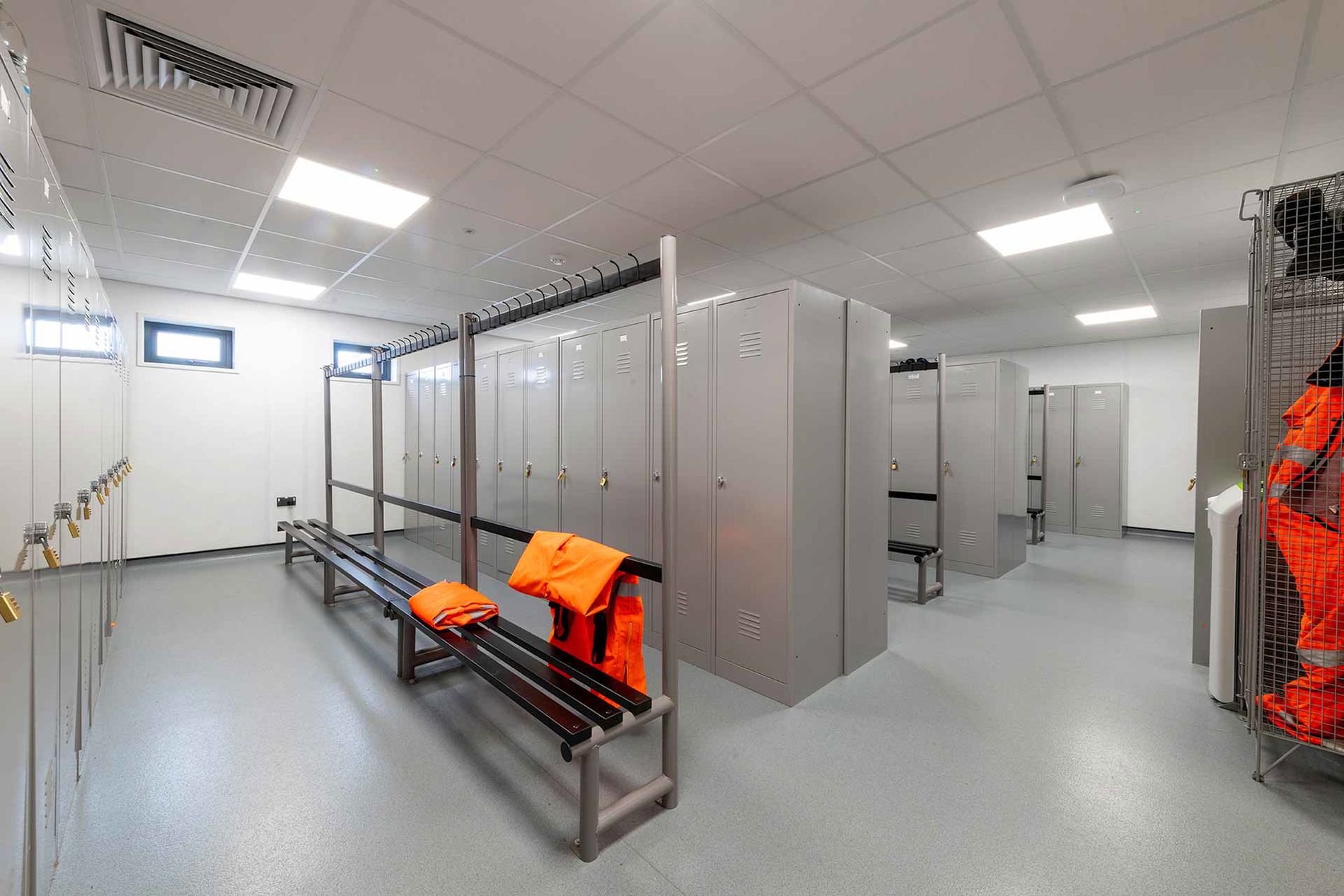
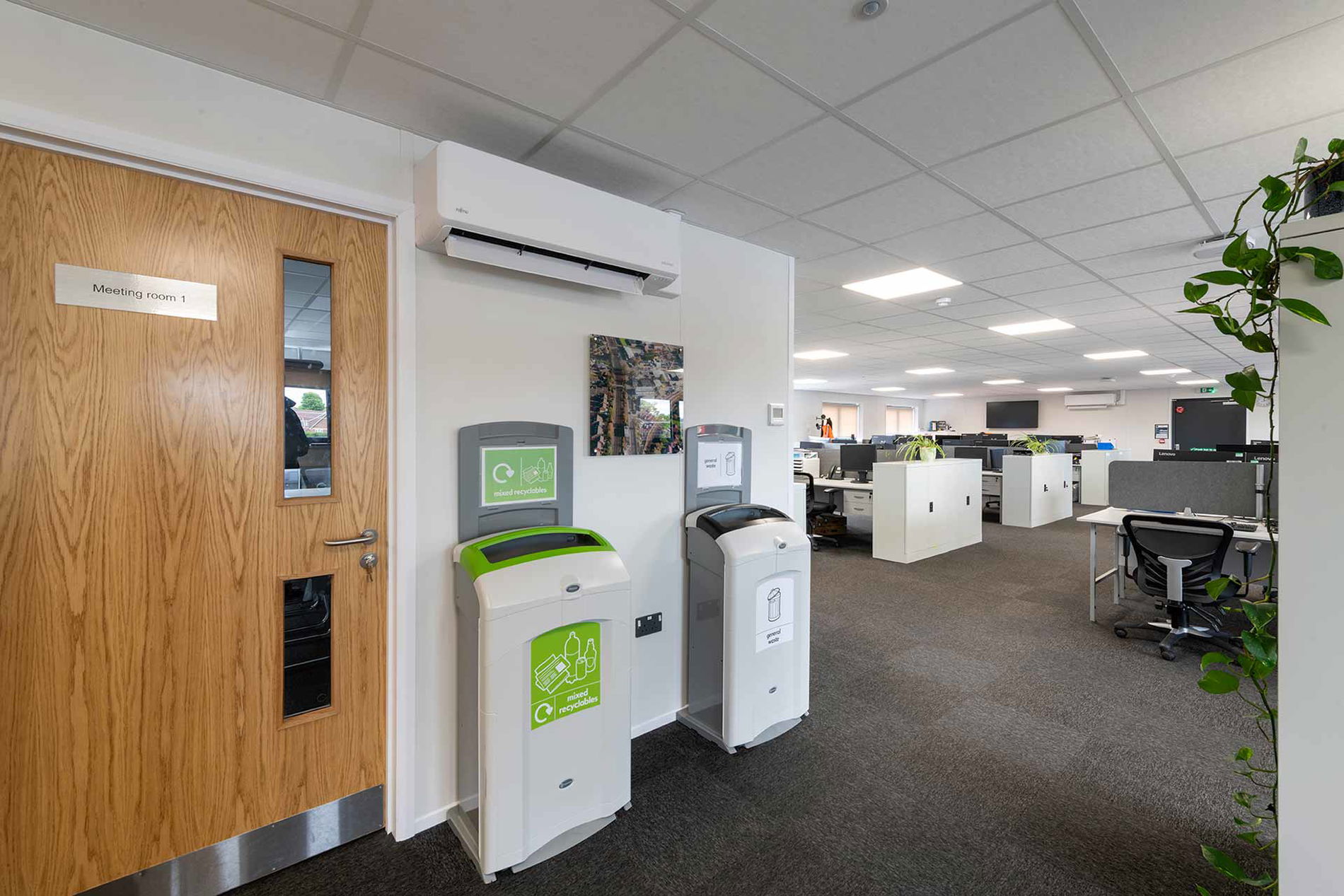
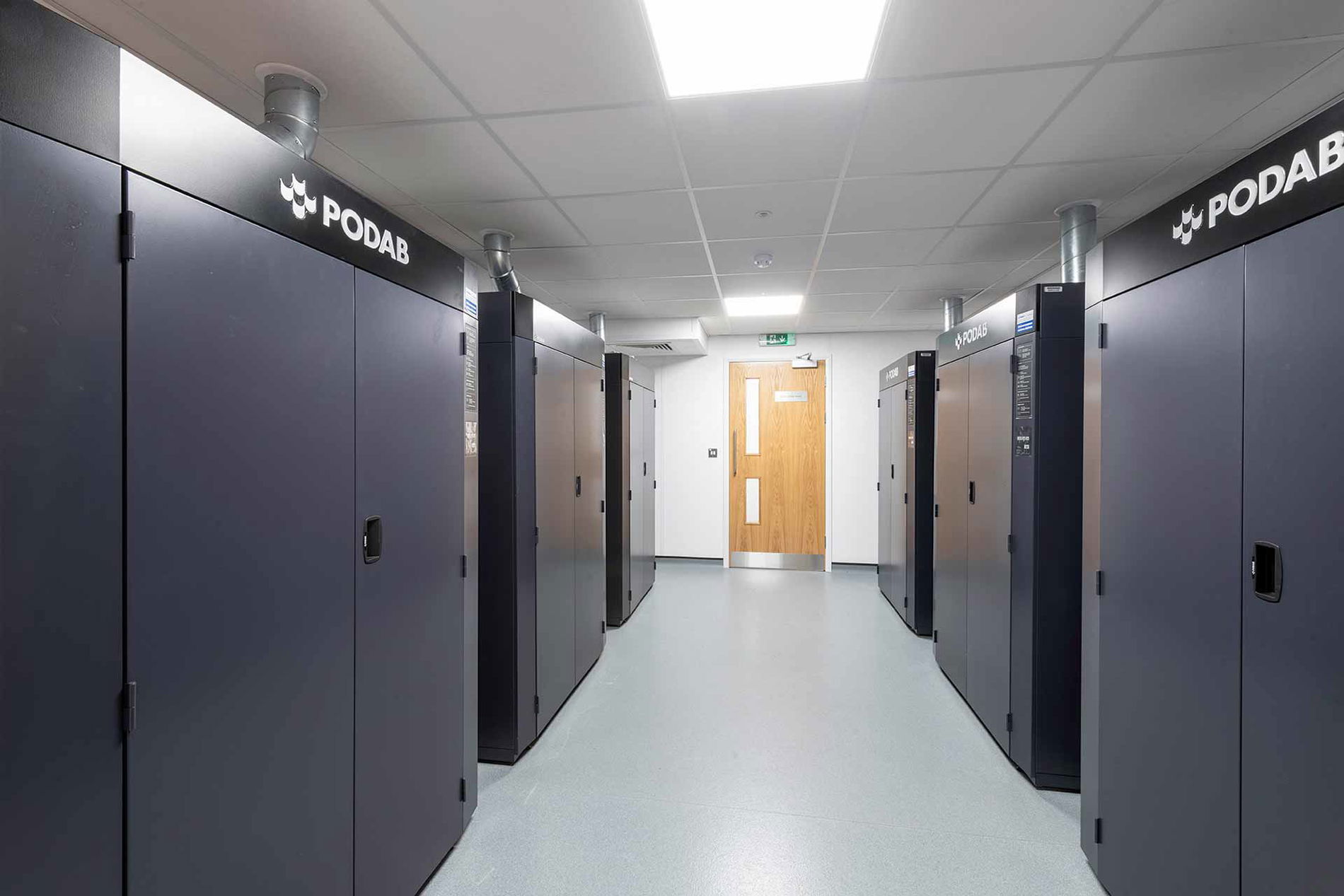
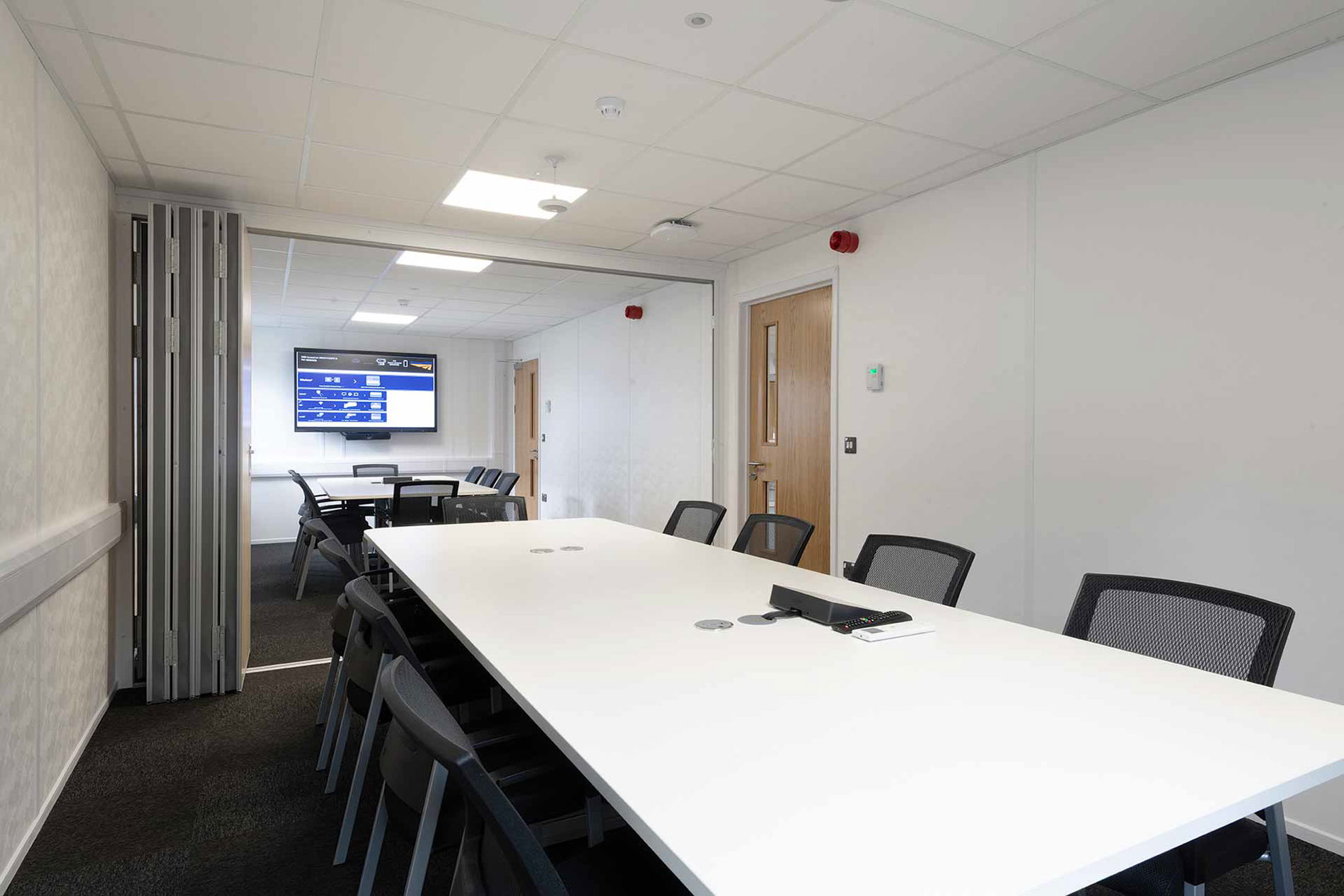
The completed facility comprises a double-storey refurbished modular building formed from 22 modules, providing modern depot offices and welfare accommodation for Network Rail staff. Internally, the building features office space, meeting rooms, a large canteen, locker facilities, toilets and shower rooms. Additional features include sliding partition walls, Quooker taps, a DDA-compliant platform lift and Podab drying units. Wernick also supplied all furniture throughout the building, delivering a complete turnkey solution.
Externally, the site benefits from a Biodiversity Net Gain (BNG) garden area with outdoor seating, electric vehicle charging points and a roof-mounted solar photovoltaic system.
A key challenge throughout the project was maintaining full operational functionality of the depot. The site remained live for the duration of the works, requiring careful planning and close collaboration between Wernick, its supply chain partners and Network Rail personnel. All works were carefully phased to minimise disruption to day-to-day rail operations and ensure business continuity.
The project also benefited from additional funding through Network Rail’s sustainability programme, enabling a range of enhancements designed to maximise energy efficiency and reduce operational carbon emissions. These included upgraded external wall constructions to improve thermal performance, triple-glazed aluminium windows, a heat pump water heating system, daylight-responsive lighting controls and a substantial solar PV installation.
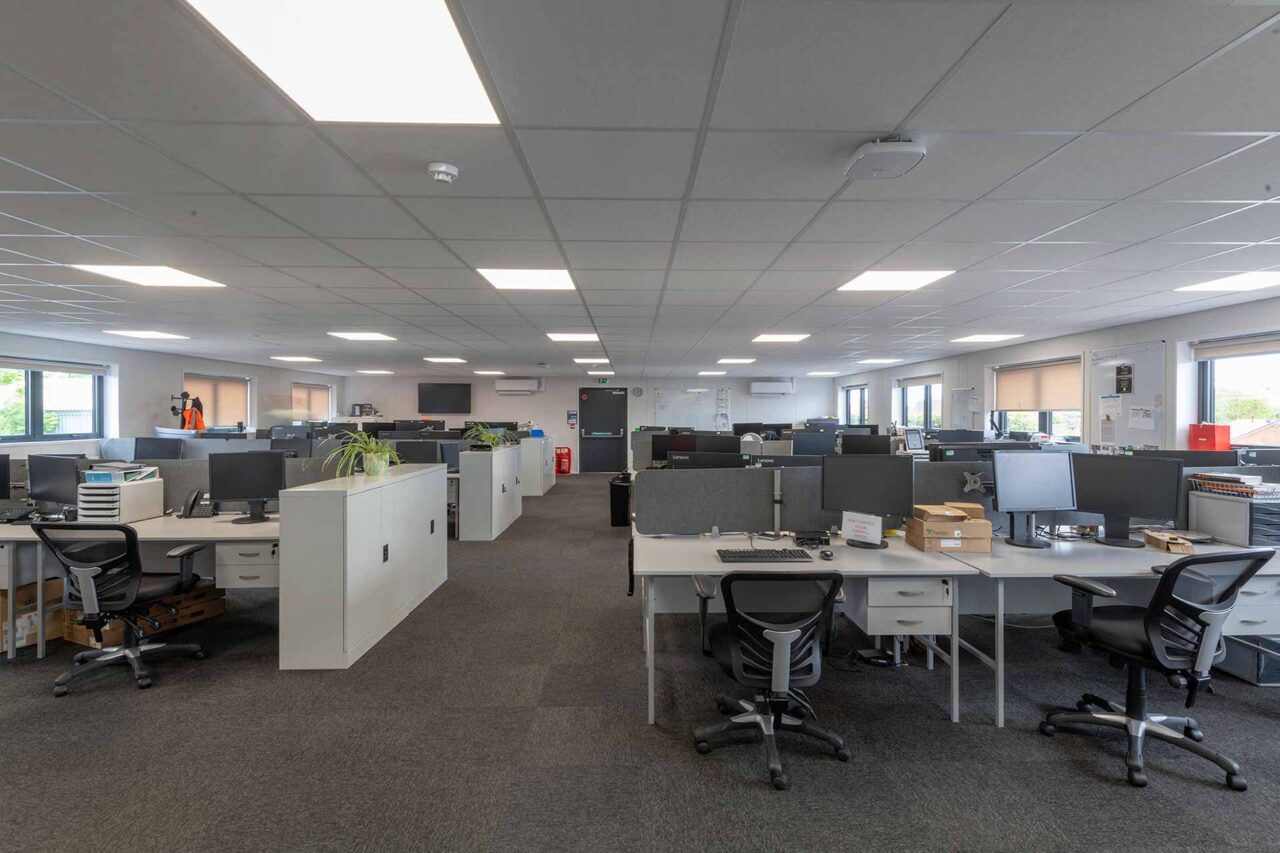
Together, these measures have created an energy-positive building capable of generating more energy than it consumes under normal operating conditions. Combined with the inherent carbon savings achieved through refurbishment, the project demonstrates how existing modular assets can be transformed into highly sustainable, future-ready workplaces.
To support the site’s future energy requirements, Wernick Refurbished Buildings worked alongside Northern Powergrid to upgrade the mains electrical supply from a nearby substation. This increased capacity enables the operation of electric vehicle charging infrastructure while supporting the building’s wider energy demands.
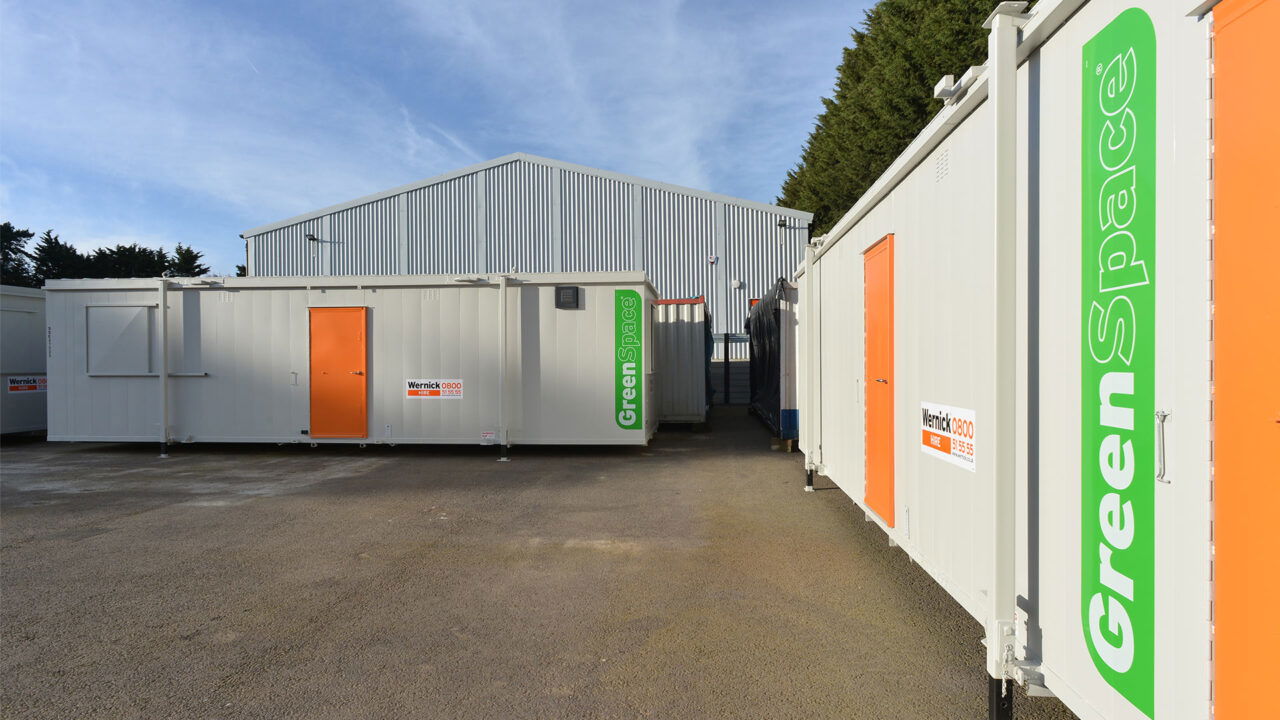
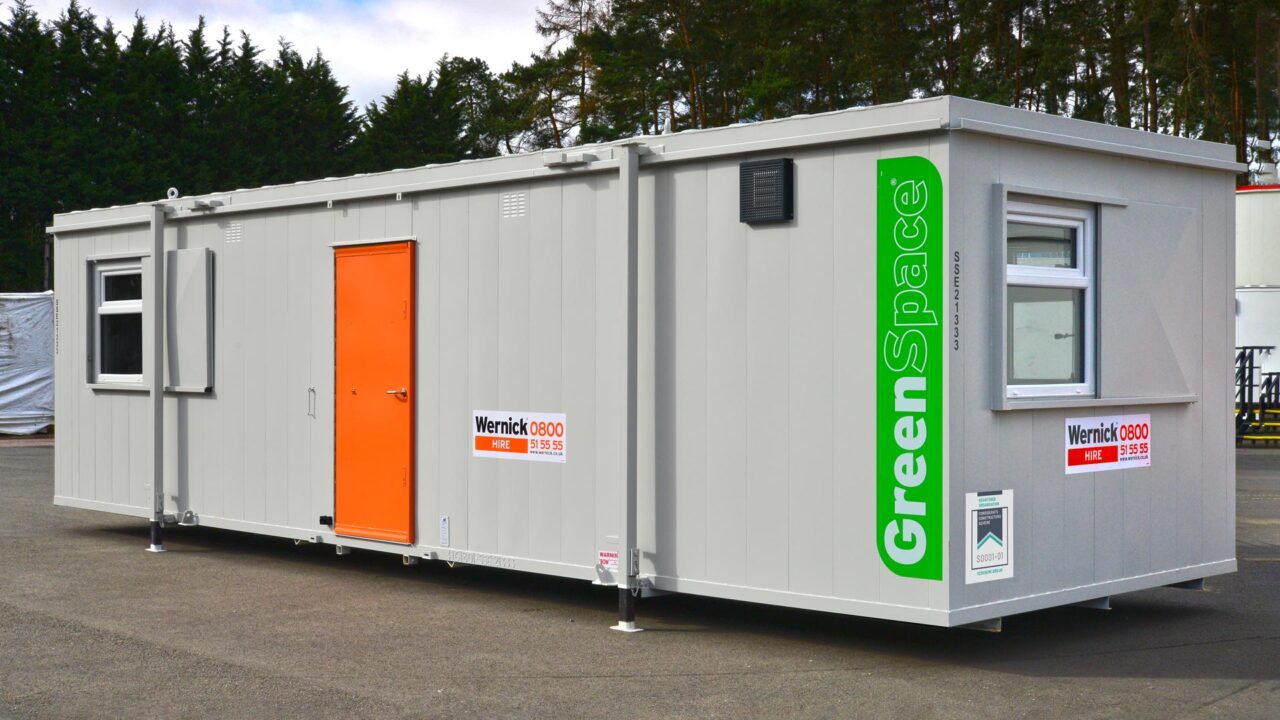
Social value formed an important part of the project delivery. As part of Wernick Refurbished Buildings’ commitment to supporting local communities, three refurbished cabins were donated to community organisations in Morpeth, including a local Scouts group and cricket club. The donated buildings will provide valuable space for community activities, helping to create a lasting positive impact beyond the project itself.
Completed in just seven months, the £3.7 million Morpeth MDU Refurbishment demonstrates how refurbished modular buildings can deliver exceptional quality, sustainability and value. Through a low-carbon design and construction approach, energy-positive performance and meaningful community engagement, the project showcases the full potential of modern modular refurbishment.
We're absolutely delighted with the new building. The team love the new facilities and it's a significant step forward for us. We were engaged throughout the project and the finished product delivers exactly what we need. We're very pleased with the outcome. The Wernick team were great to work with and communication was excellent from start to finish. At Network Rail, our vision for the future is a simpler, better, greener railway, and working with Wernick has helped us achieve those objectives.