Warehouse projects: Who owns temporary power?

Temporary power on warehouse projects often sits in an awkward place. It isn’t fully part of the construction works, but it isn’t quite operational either. It’s introduced to solve a problem, usually under time pressure, and then expected to keep working as projects move forward.
The question is, who ‘owns’ temporary power in practice?
Contractors may see it as a temporary site arrangement, something that keeps the programme moving until permanent power arrives. Power providers are focused on supply, availability and keeping systems running. Operational teams are often brought into the conversation later, once commissioning is underway or systems are already live. In between, decisions about how temporary power is monitored, adapted or scaled can become blurred.
This isn’t usually deliberate. It’s a product of how warehouse projects are delivered. Temporary power is brought in to bridge a gap, but the gap itself rarely stays fixed. What starts as a short-term measure to support construction can quickly extend into commissioning, early operation and live activity, often without a clear moment where ownership is formally handed over.
When responsibility isn’t clearly defined, small issues can take longer to resolve. Questions about fuel use, emissions, noise limits or reporting don’t always sit with one team. Changes in demand can feel harder to manage because it isn’t obvious who should be making the decisions and anticipating the changes. Over time, this can create frustration and uncertainty, even when systems are capable and doing their job.
This is one of the reasons temporary power can begin to feel more complicated on warehouse projects than it needs to be. Not because it’s inherently difficult, but because it sits across delivery and operation at a point when roles are already shifting.
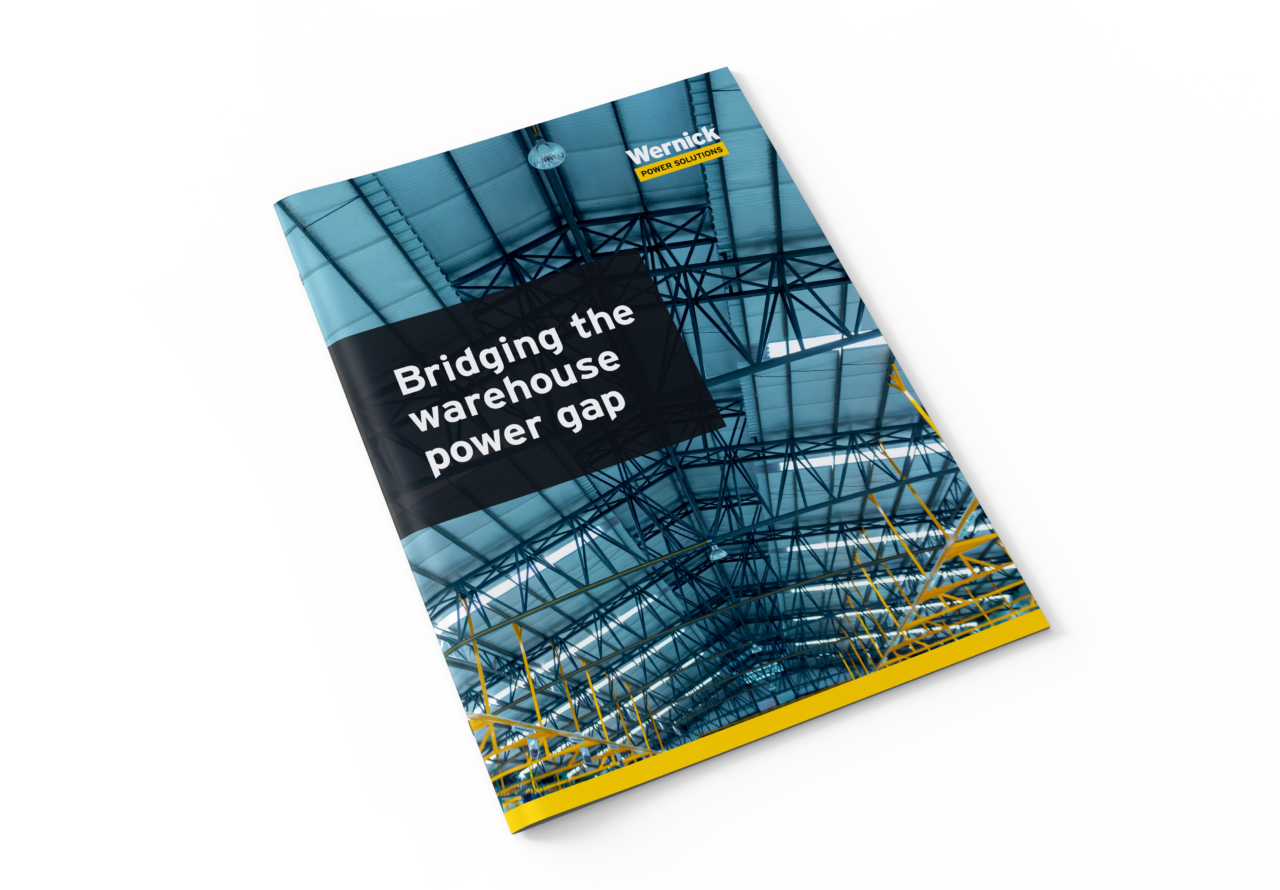
In our report, we look at why temporary power so often falls between teams on warehouse projects, and how clearer ownership and planning can make arrangements far easier to manage as they move beyond a short-term fix.