Why modular education buildings are the smartest way to expand school estates

Across the UK, schools and colleges are under increasing pressure to adapt their estates. Rising pupil numbers, ageing buildings, RAAC concerns and constrained budgets are forcing education leaders to find smarter, faster ways to create high-quality learning environments.
As a result, modular education buildings are no longer seen as a short-term fix. Instead, they are becoming a strategic solution for long-term estate planning, offering speed, certainty and flexibility without compromising on quality or compliance.
The changing landscape of education estates
Many education providers are facing the same challenges:
- Growing student numbers and limited space
- Buildings reaching the end of their usable life
- Urgent safety or compliance requirements
- Pressure to deliver projects quickly and cost-effectively
- Increasing focus on sustainability and carbon reduction
Traditional construction methods often struggle to meet these demands, particularly within live learning environments. Modular construction offers a different approach.
What are modular education buildings?
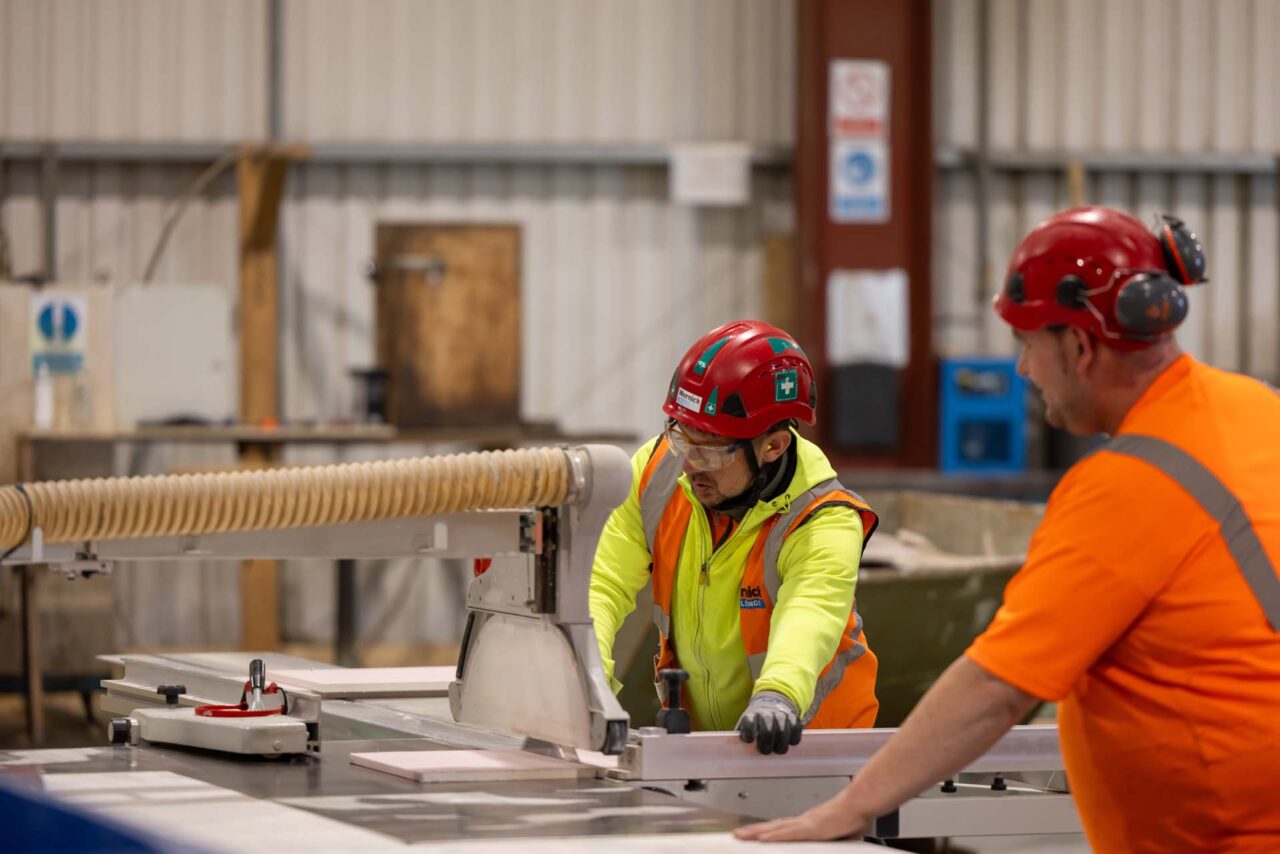
Modular education buildings are manufactured off-site in a controlled factory environment before being delivered and installed on campus. These buildings can include:
- Modular classroom buildings
- Modular school blocks and teaching wings
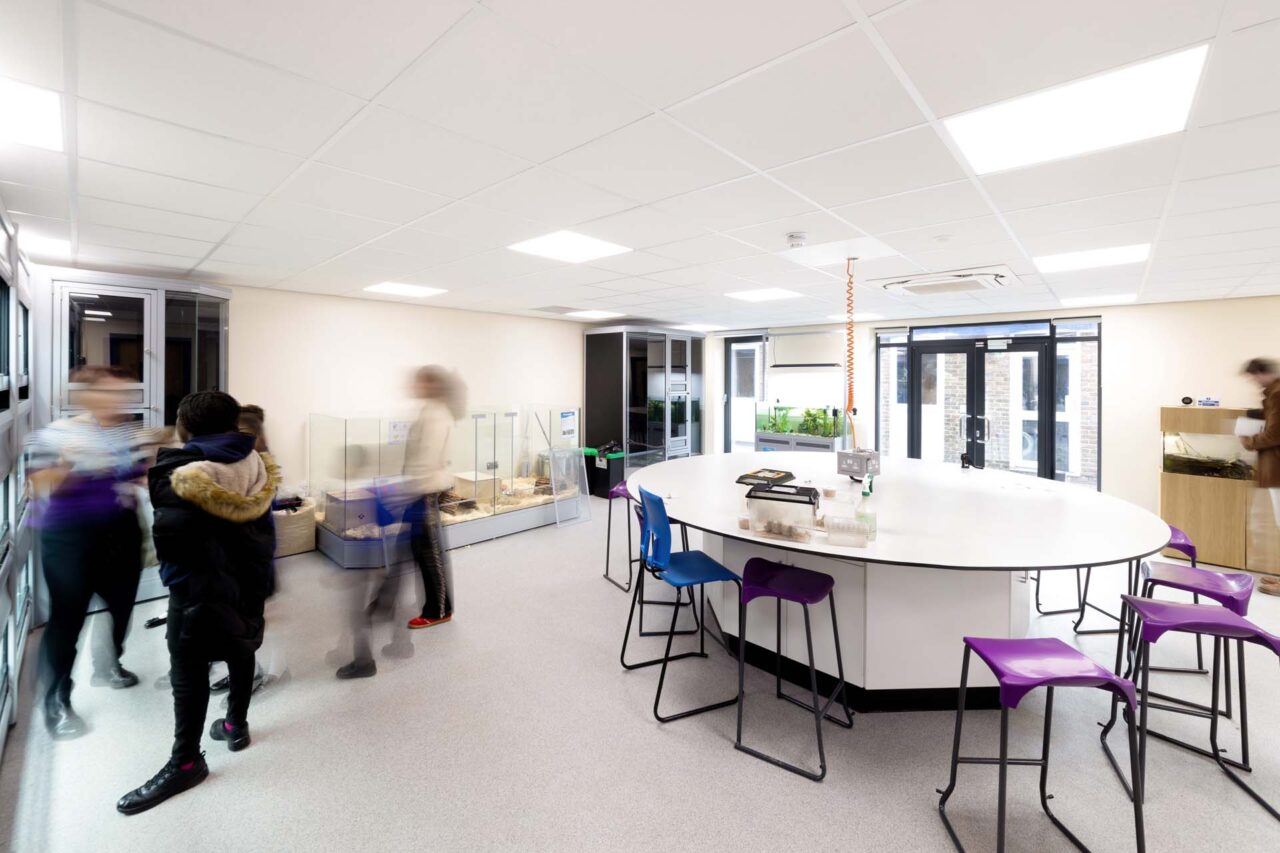
- Specialist spaces such as SEND classrooms, science labs and sixth-form centres
- Temporary or permanent education facilities
Because the majority of construction takes place off-site, schools benefit from faster delivery and significantly reduced on-site disruption.
Why modular is a smarter choice for schools and colleges
Faster delivery with greater certainty
Time is often the most critical factor in education projects. Modular construction allows site preparation and building manufacture to run in parallel, dramatically reducing overall programme times.
For schools, this means new teaching space can often be delivered in time for the next academic year, or sooner, with fewer delays caused by weather or on-site variables.
Reduced disruption to learning
One of the biggest advantages of modular education buildings is the minimal impact on day-to-day school operations.
With fewer trades on site, shorter installation periods and safer working environments, schools can continue teaching with confidence, even during term time.
Flexible solutions for changing needs
Education estates rarely stand still. Modular buildings offer flexibility that traditional construction cannot match, including; single classrooms or multi-storey school blocks, phased expansion as pupil numbers grow, reconfigurable layouts to support curriculum changes and options for permanent, refurbished or hire solutions. Modular also allows for further modules to be added at a later date, if more room is needed.
This flexibility allows schools to invest in buildings that evolve alongside their needs.
Designed for modern learning environments
Today’s modular education buildings are purpose-designed for long-term educational use. They deliver:
- High levels of insulation, acoustics and ventilation
- Excellent daylight and thermal comfort
- Fully compliant layouts aligned with UK education standards
- Bespoke internal designs for specialist teaching spaces
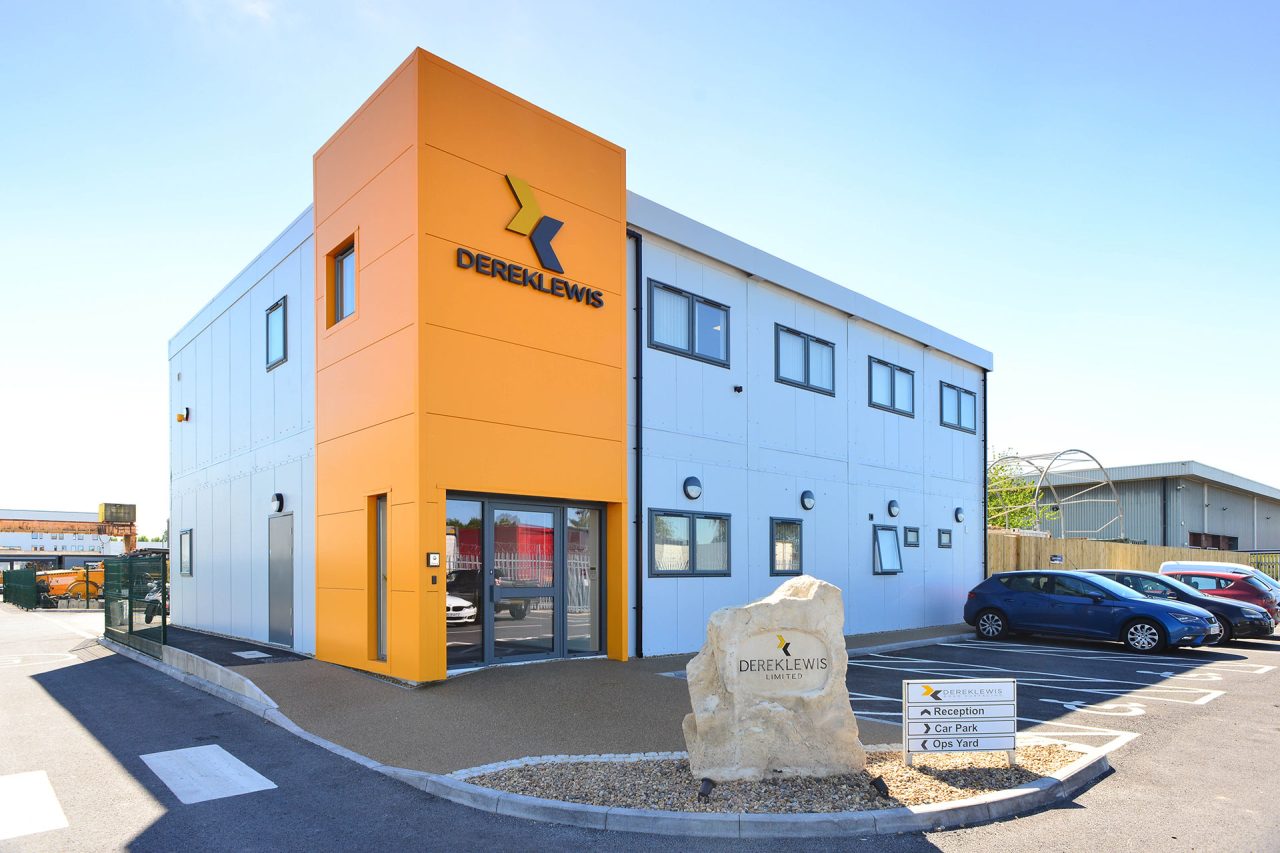
- Externally designed to match existing school buildings
- Fully building regulations compliant
The result is a learning environment that supports wellbeing, focus and performance, not a compromise.
Cost-effective and value-driven
Modular construction provides greater cost certainty through factory-controlled processes and reduced on-site labour. This helps education providers manage budgets more effectively, avoid unexpected programme overruns and achieve better long-term value.
A hire option also provides a more cost effective approach by splitting the cost over the programmed period.
For budget-conscious estates, modular education buildings offer a predictable and scalable investment.
Supporting sustainable education estates
Sustainability is an increasingly important consideration in education estate planning.
Modular construction supports this by reducing material waste through off-site manufacture, improving energy efficiency and operational performance and enabling refurbished modular solutions that retain structural steel and lower embodied carbon.
This aligns modular education buildings with long-term environmental and net-zero goals.
Choosing the right modular route
One of the key strengths of modular construction is choice. Schools and colleges can select the delivery route that best suits their circumstances:
- Permanent modular buildings for long-term estate development
- Refurbished modular classrooms for cost-effective, low-carbon expansion
- Modular buildings for hire for temporary capacity, decant space or urgent requirements
Each option offers the same core benefits: speed, quality and minimal disruption.

A strategic approach to education expansion
As education providers look ahead, modular construction is proving to be more than a practical solution, it is a strategic one.
By combining fast delivery, flexible design, high performance and reduced disruption, modular education buildings provide a smarter way to expand and future-proof school estates.
Explore modular education solutions
Whether you are planning long-term estate growth or responding to immediate capacity challenges, Wernick Group delivers tailored modular education solutions for schools and colleges across the UK.