TATA Steel Invictus
Requirement
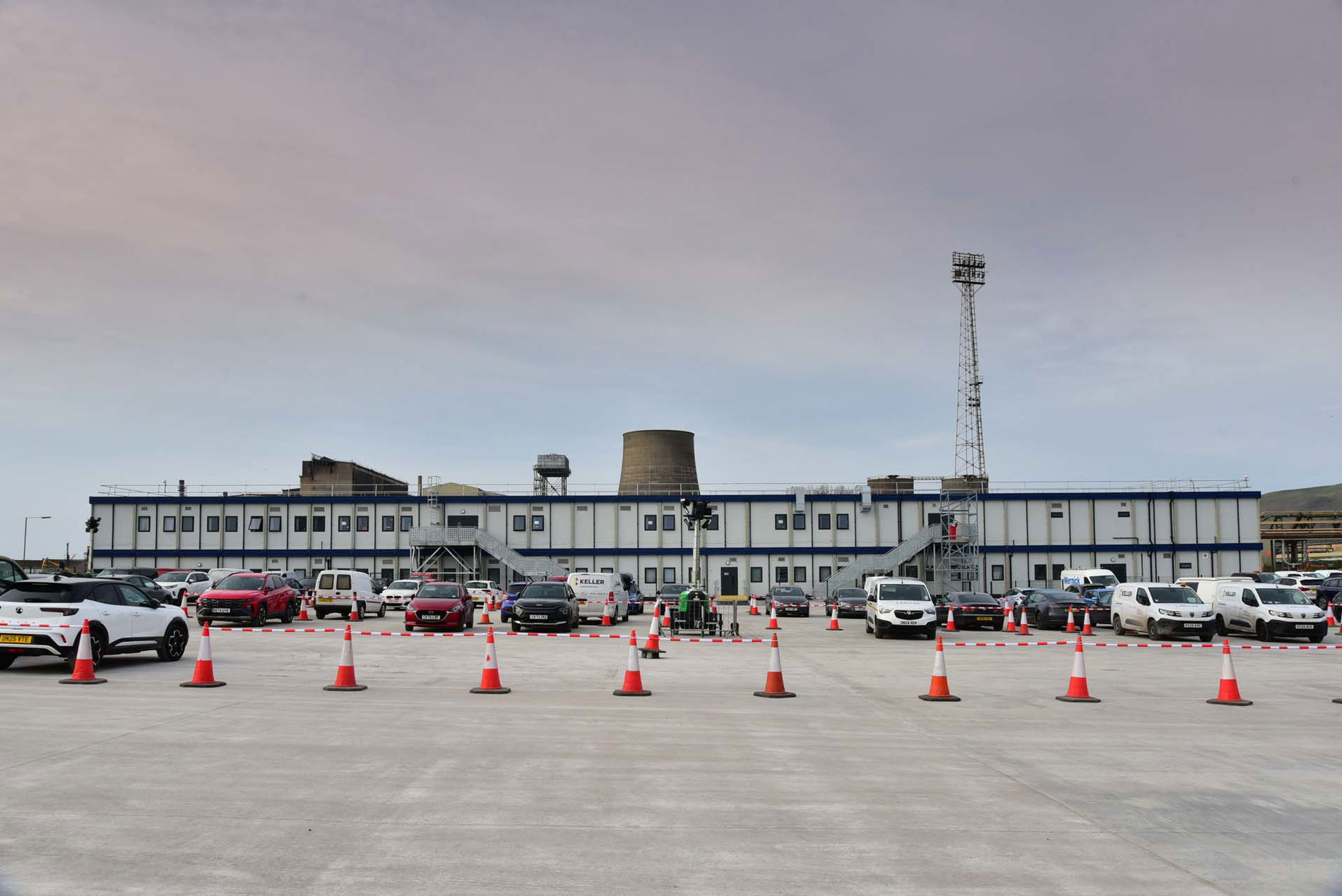
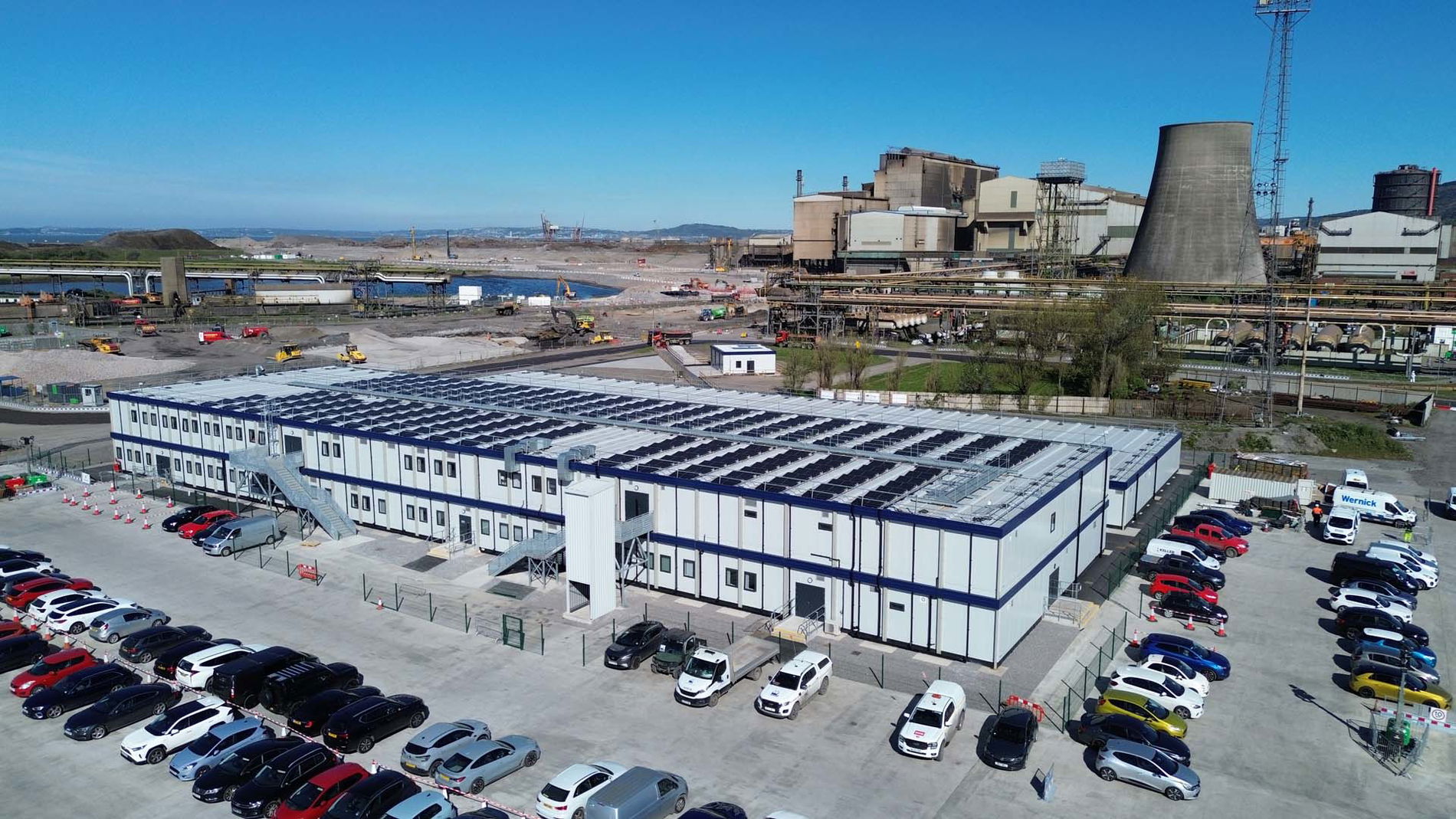
Tata Steel required a large-scale modular solution to support its operational workforce as part of its £1.5 billion programme to decommission existing blast furnaces and develop a new electric arc furnace at the Port Talbot site. The project needed to provide modern office, welfare and catering facilities within a secure industrial environment, accommodating a significant number of staff while maintaining high standards of functionality, safety and compliance.
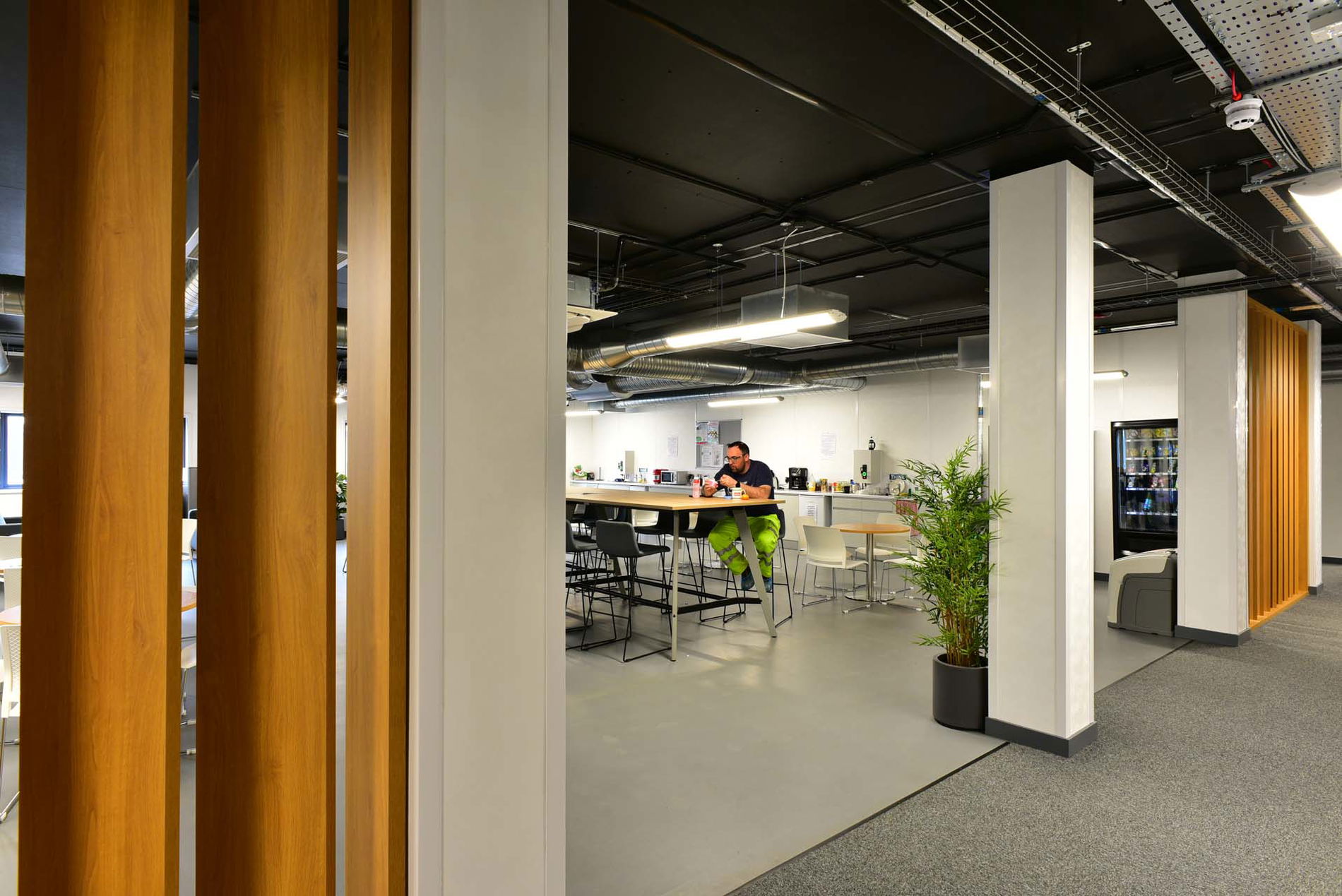
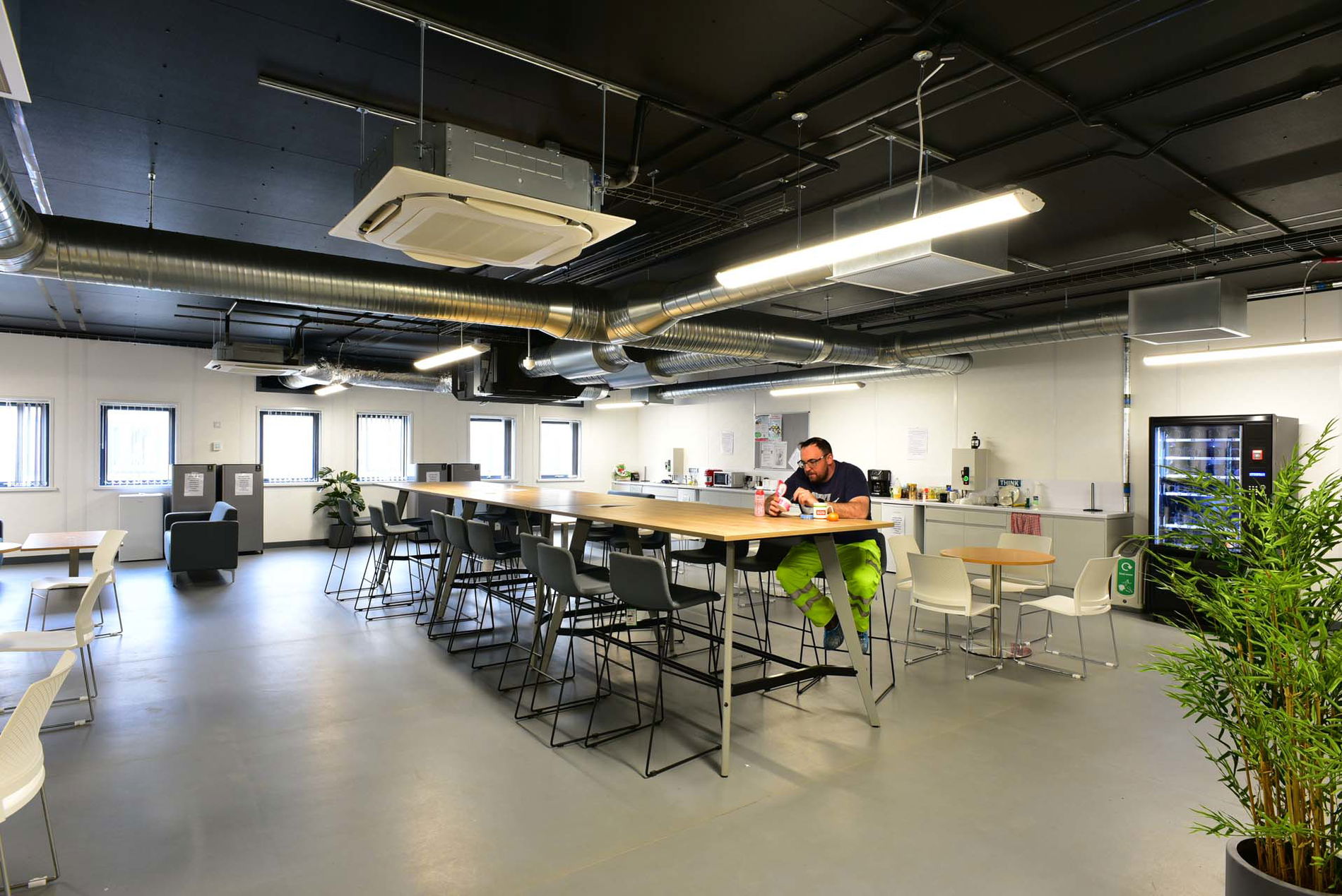
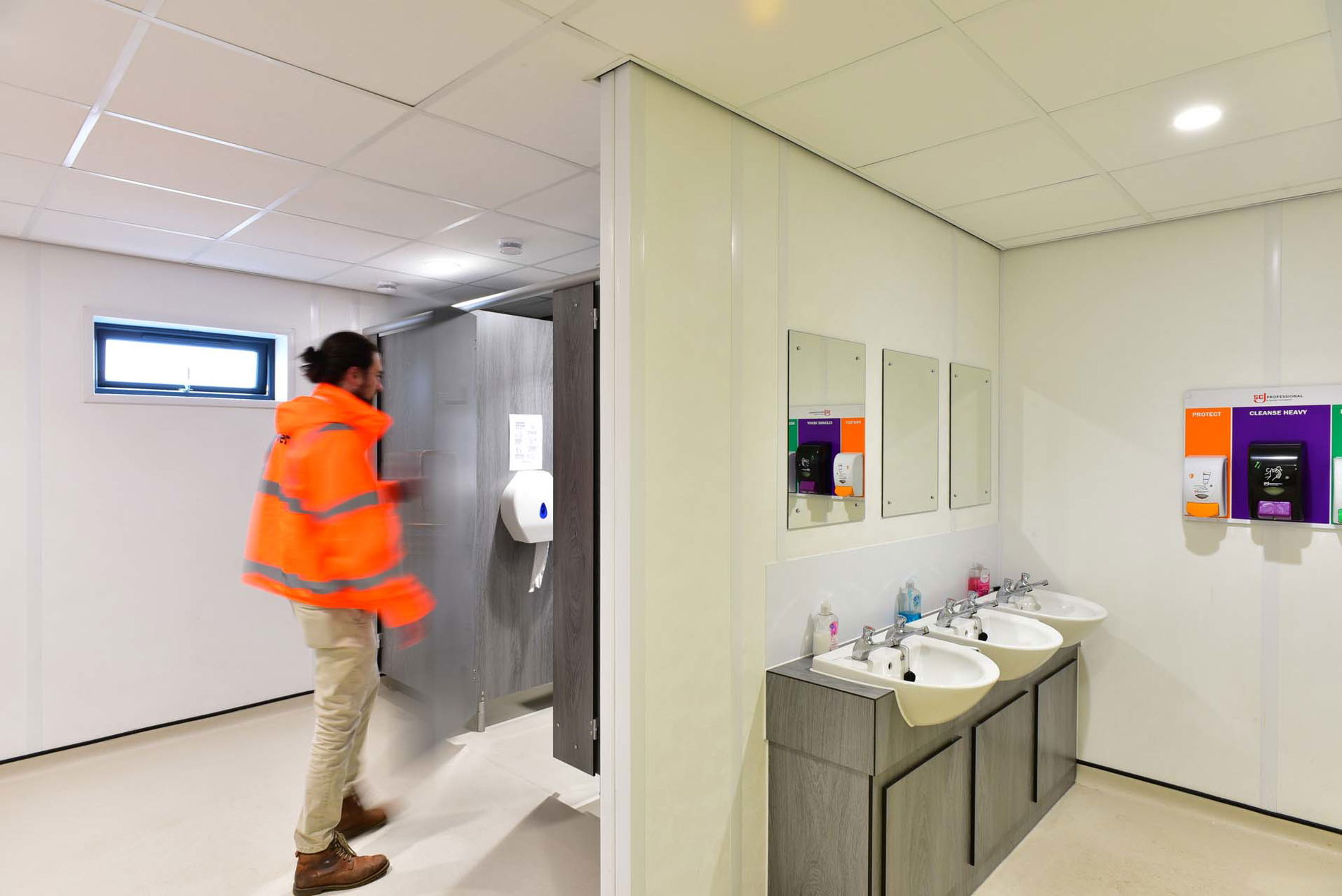
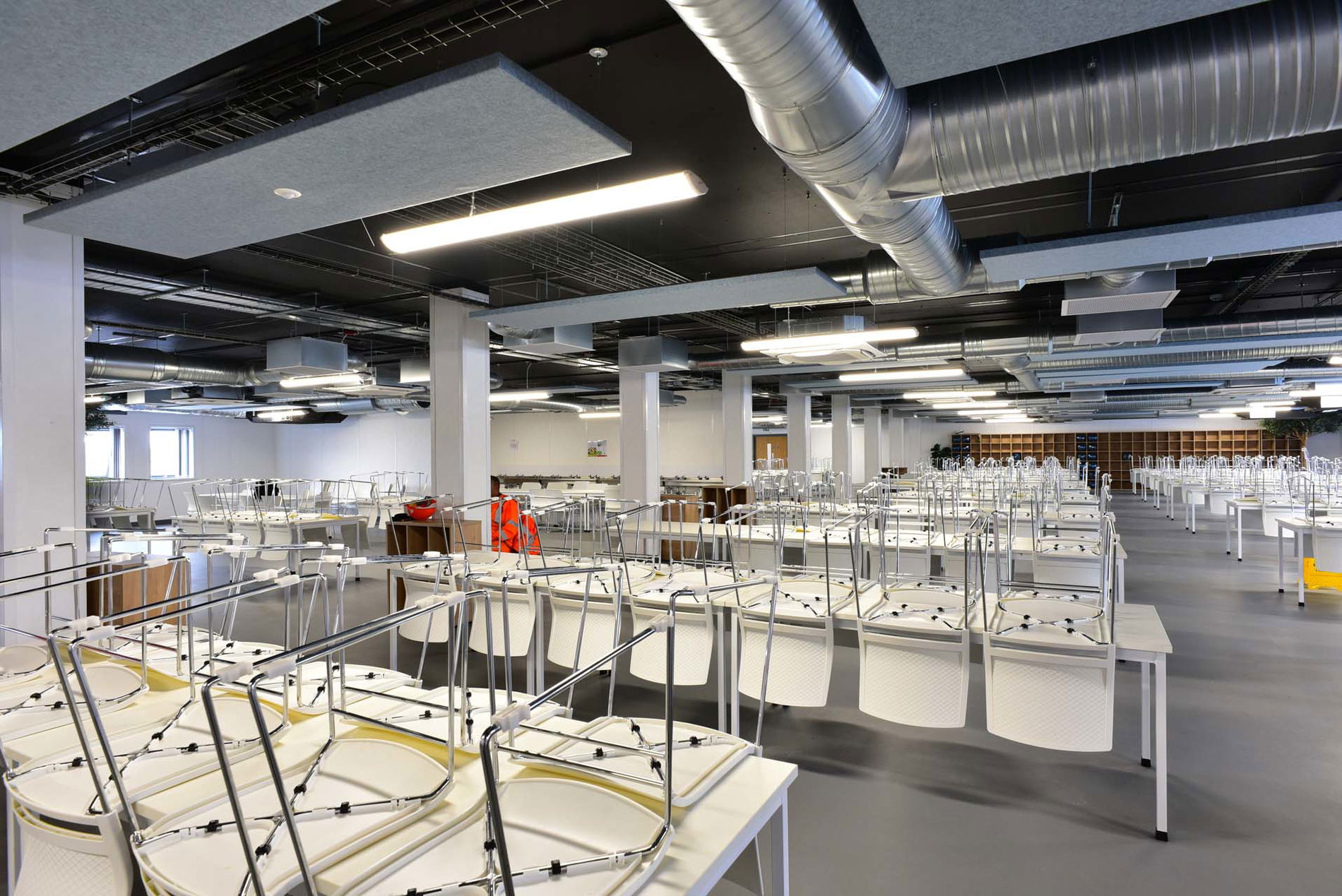
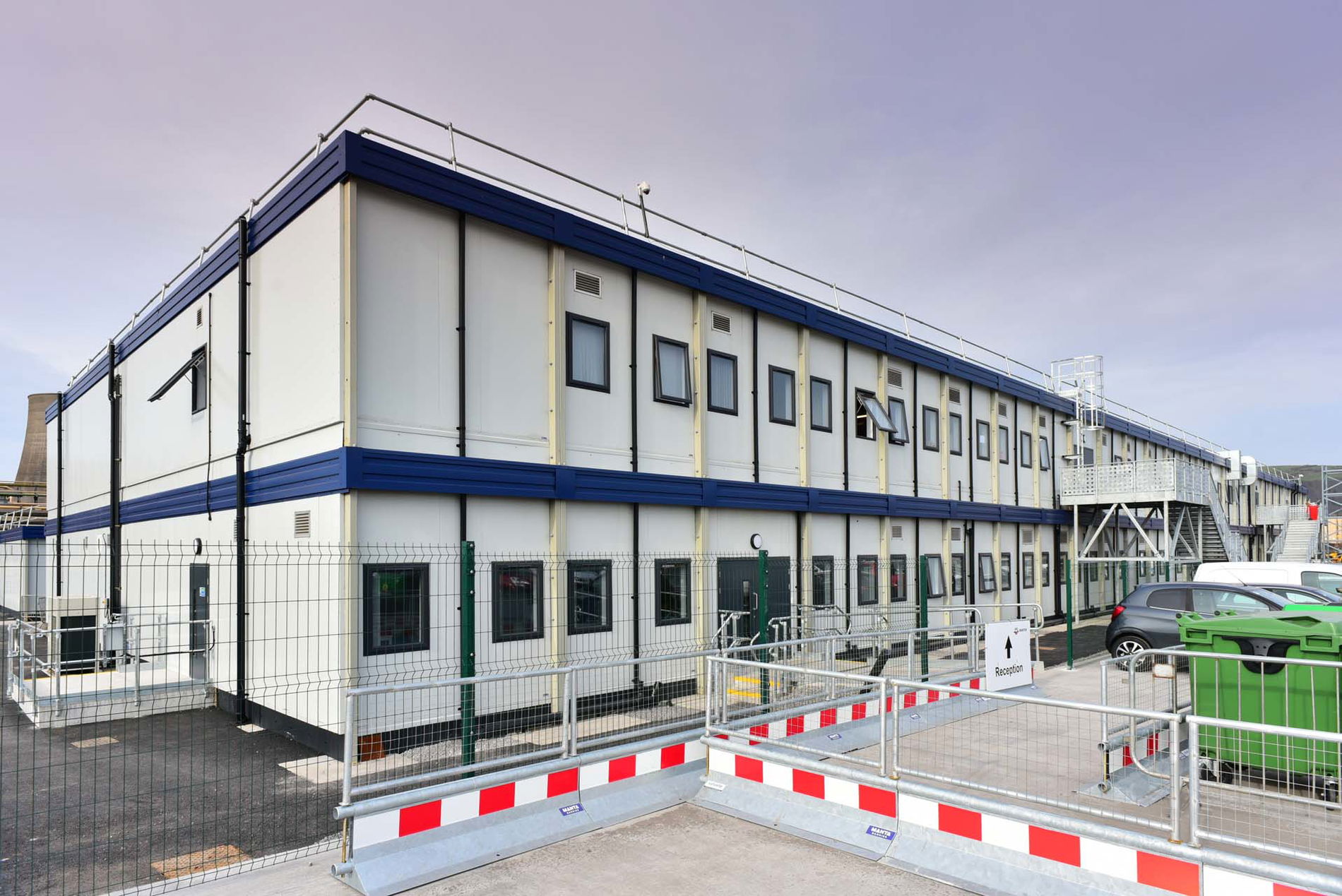
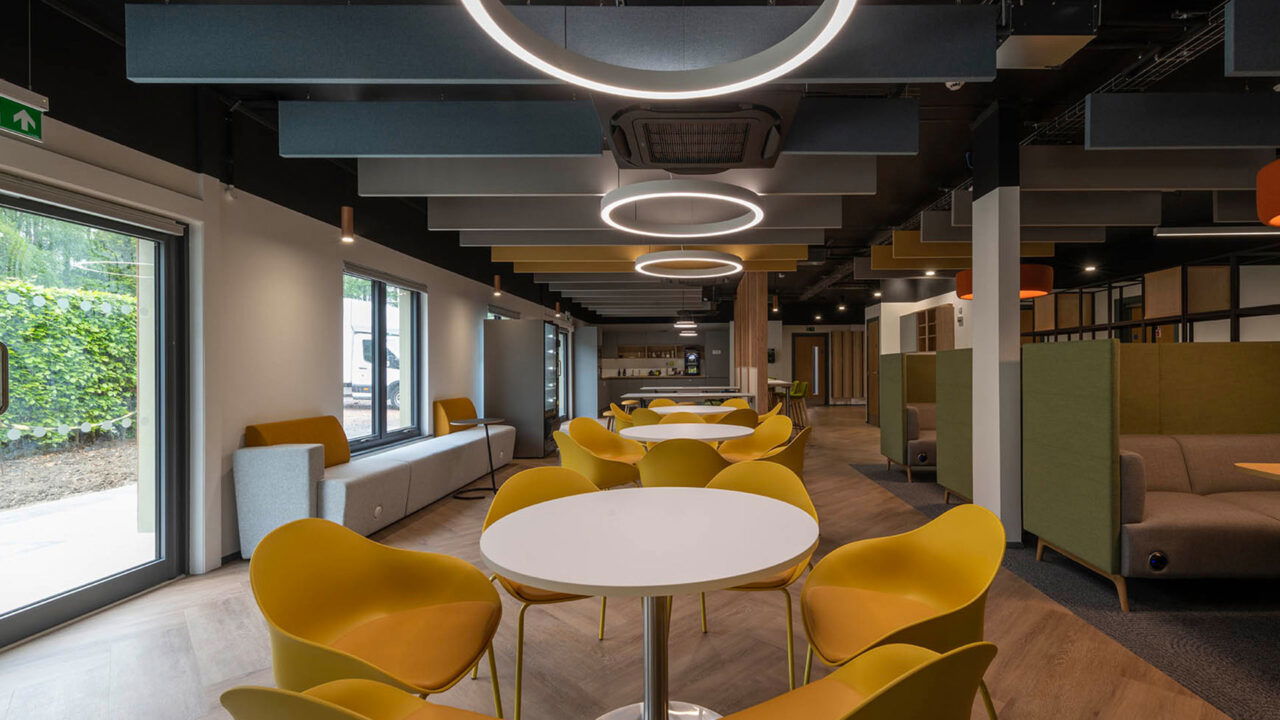
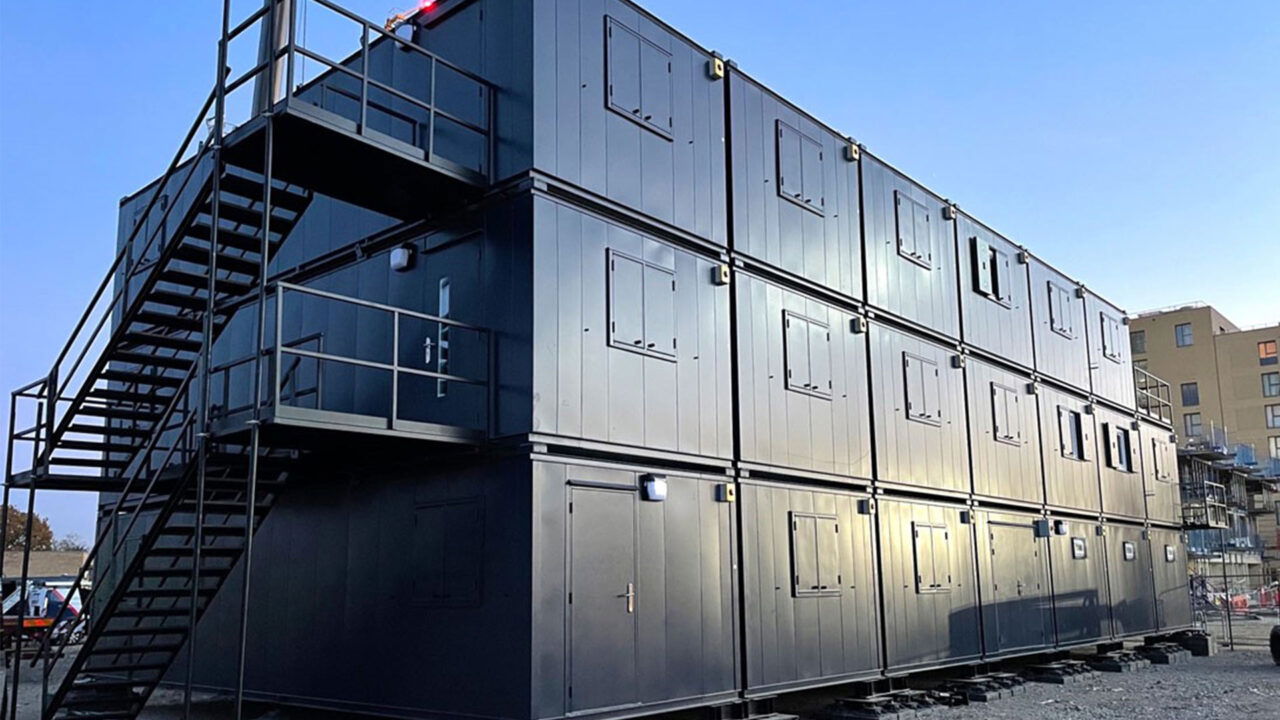
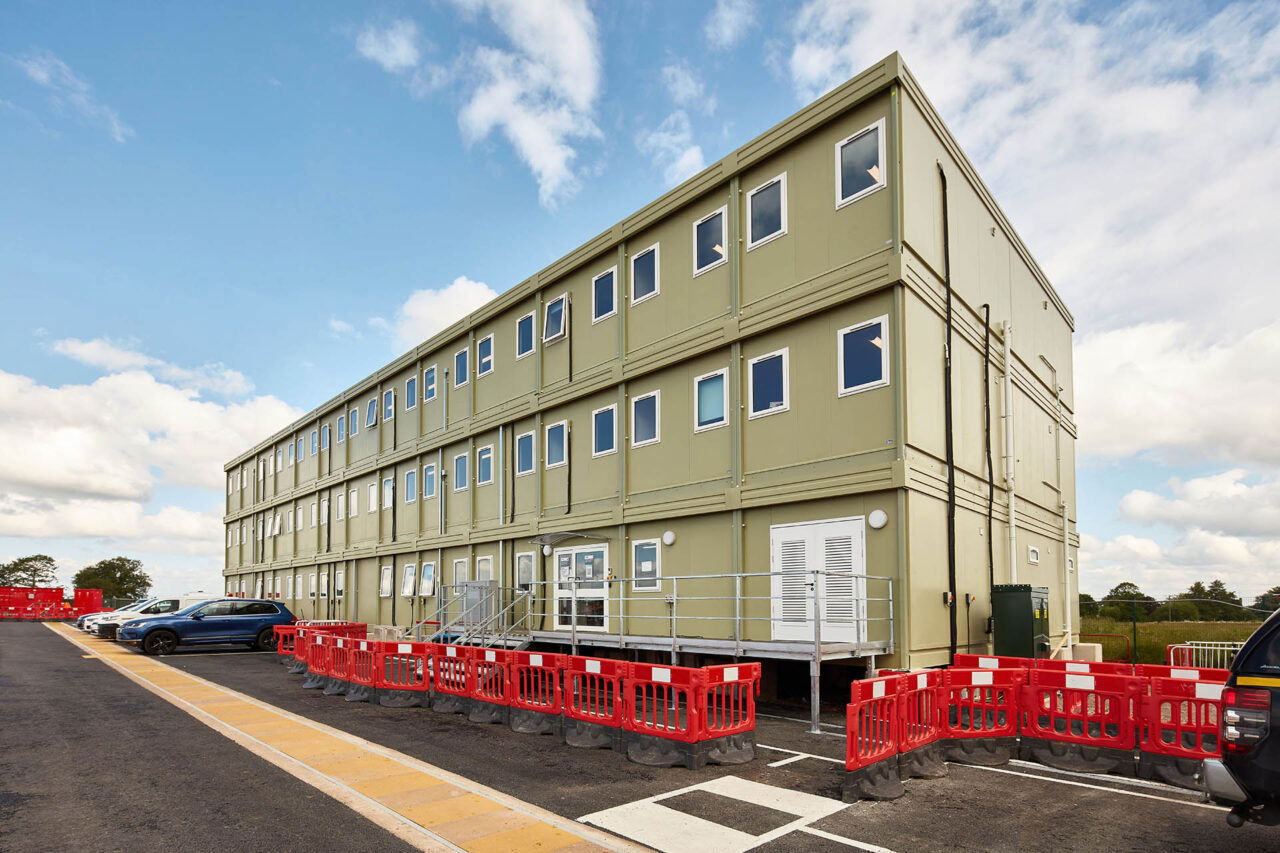
The brief included the delivery of two buildings. Building 1 was to provide a two-storey office and welfare facility, incorporating ground floor office space alongside extensive welfare provision at first floor level. This included lockers, showers and changing facilities for a large workforce, as well as a commercial kitchen, canteen seating for over 400 people and a dedicated induction and training space.
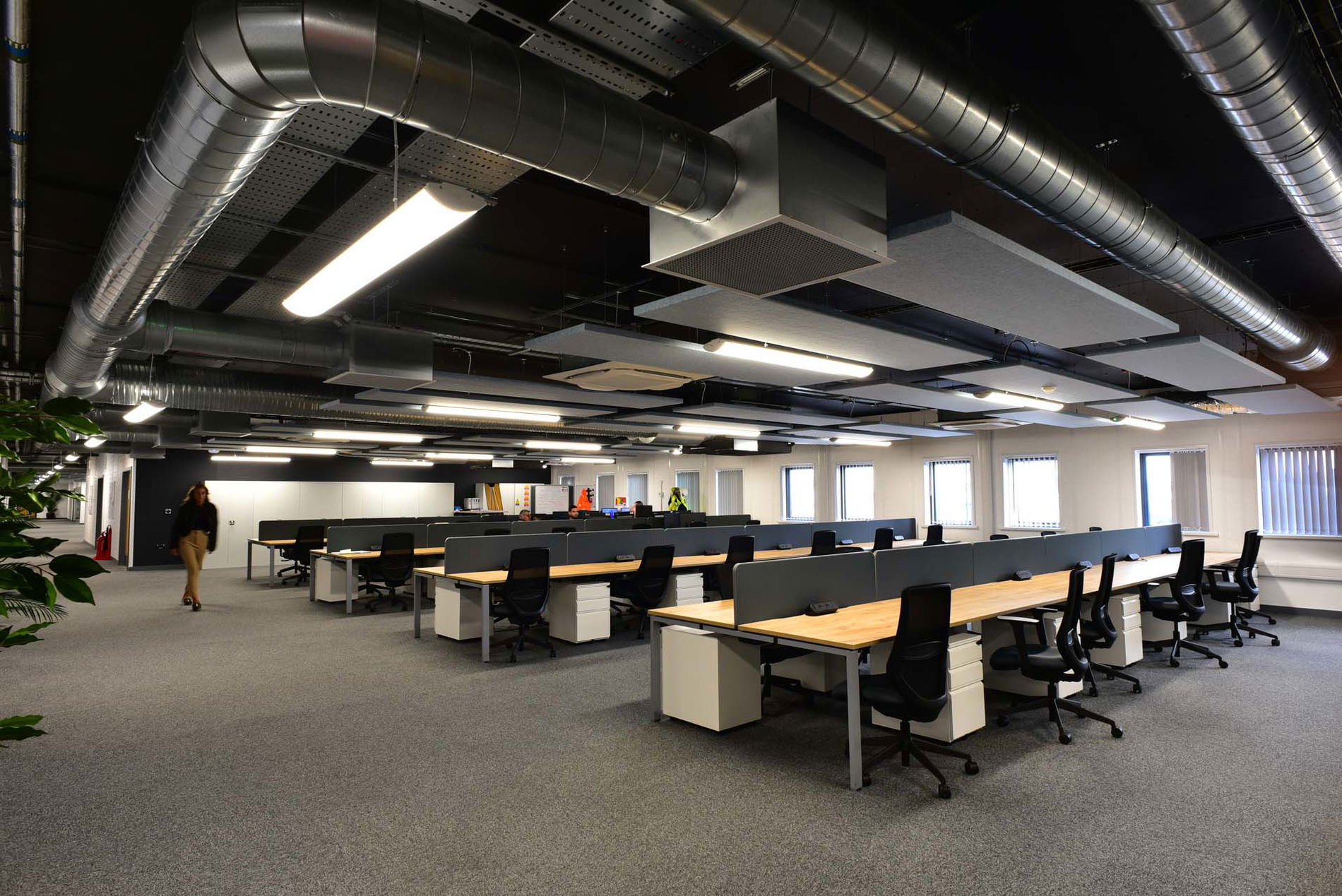
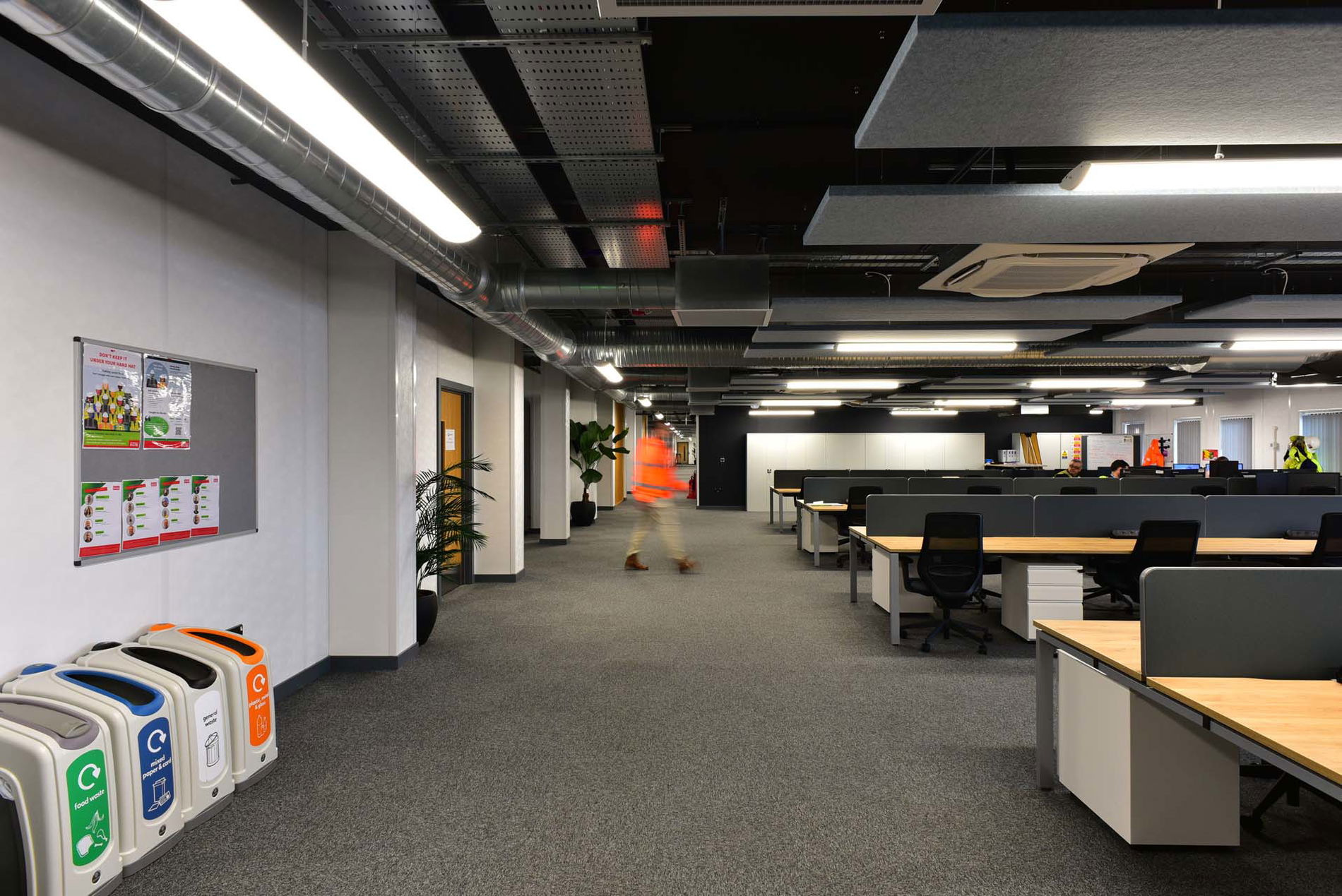
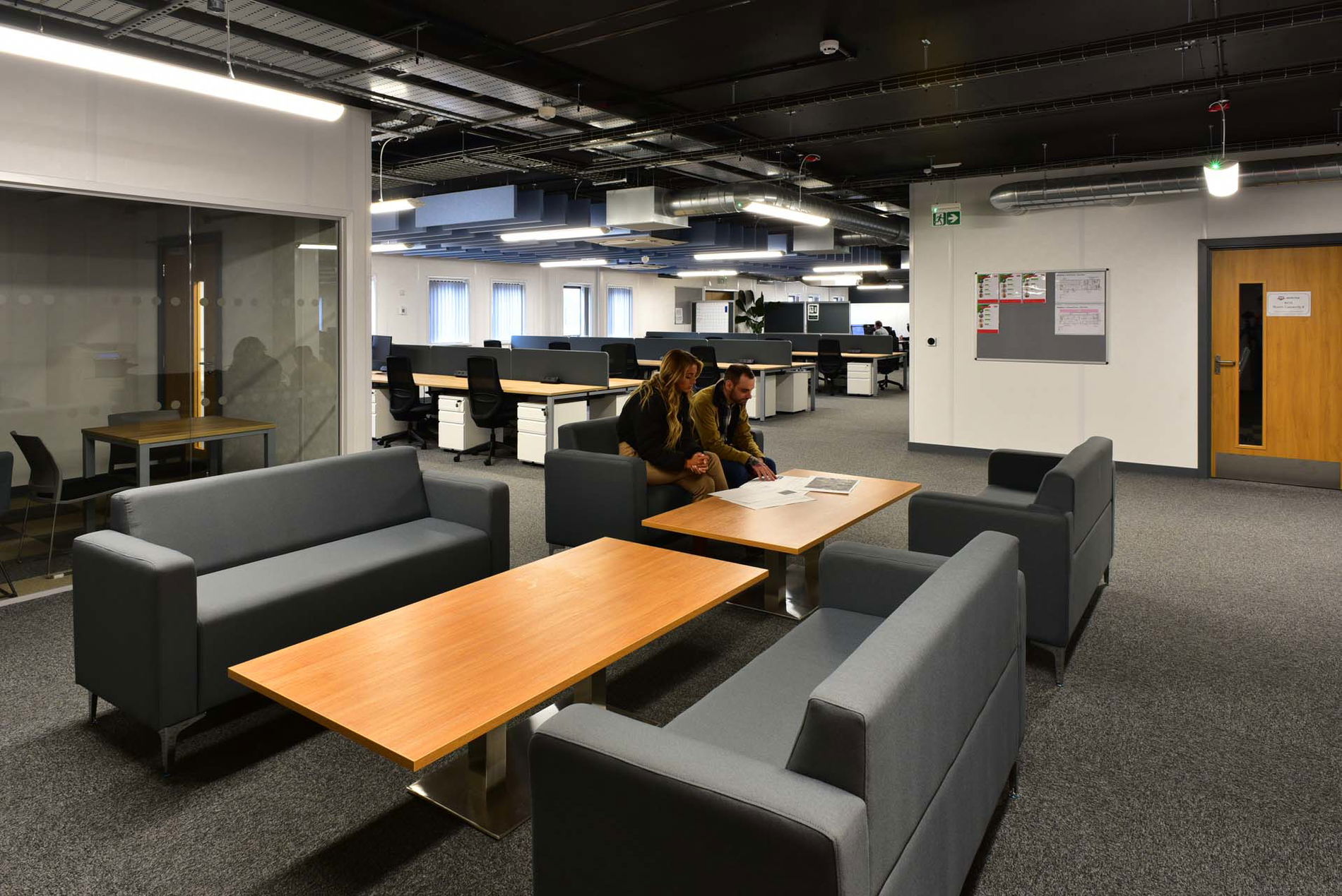
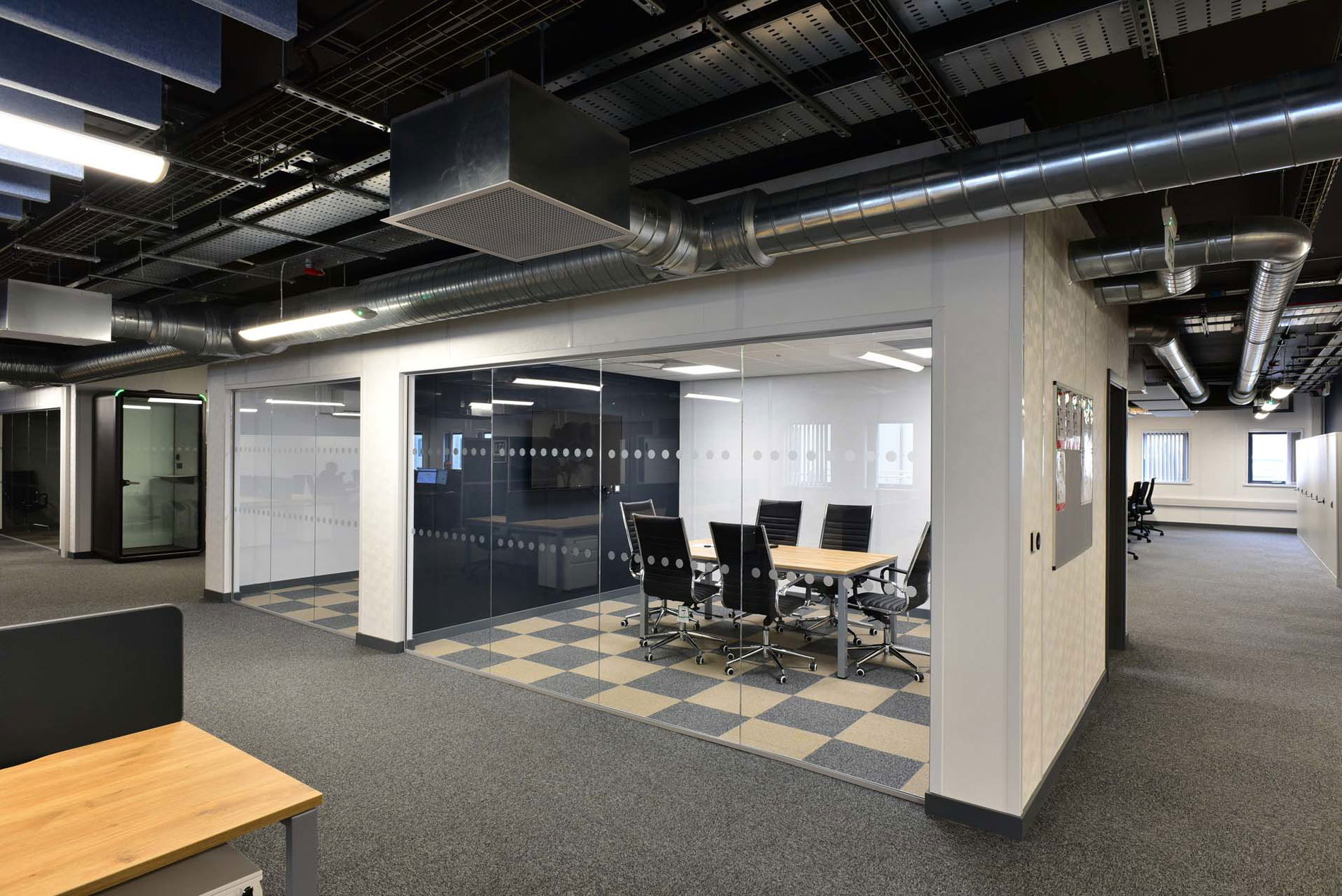
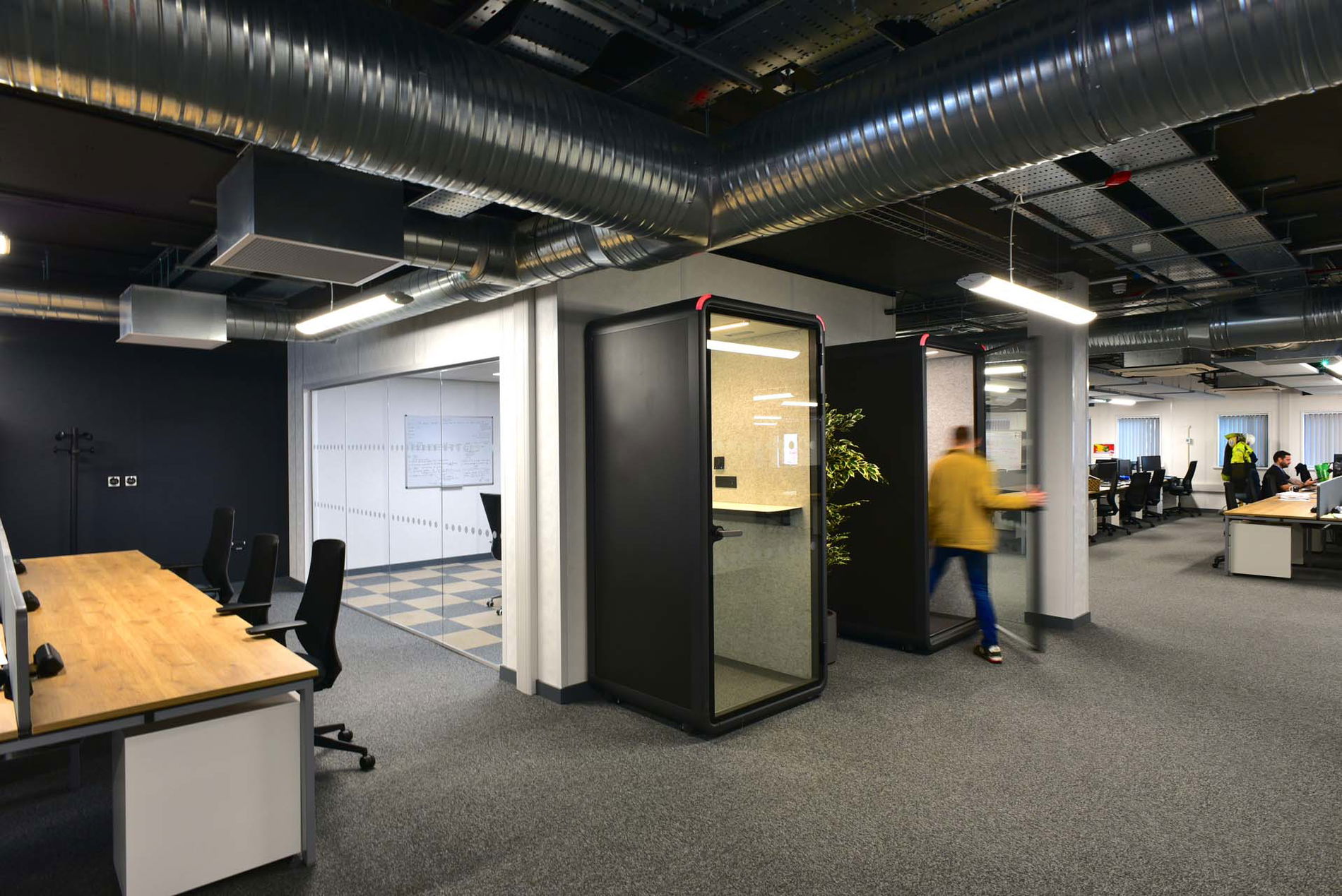
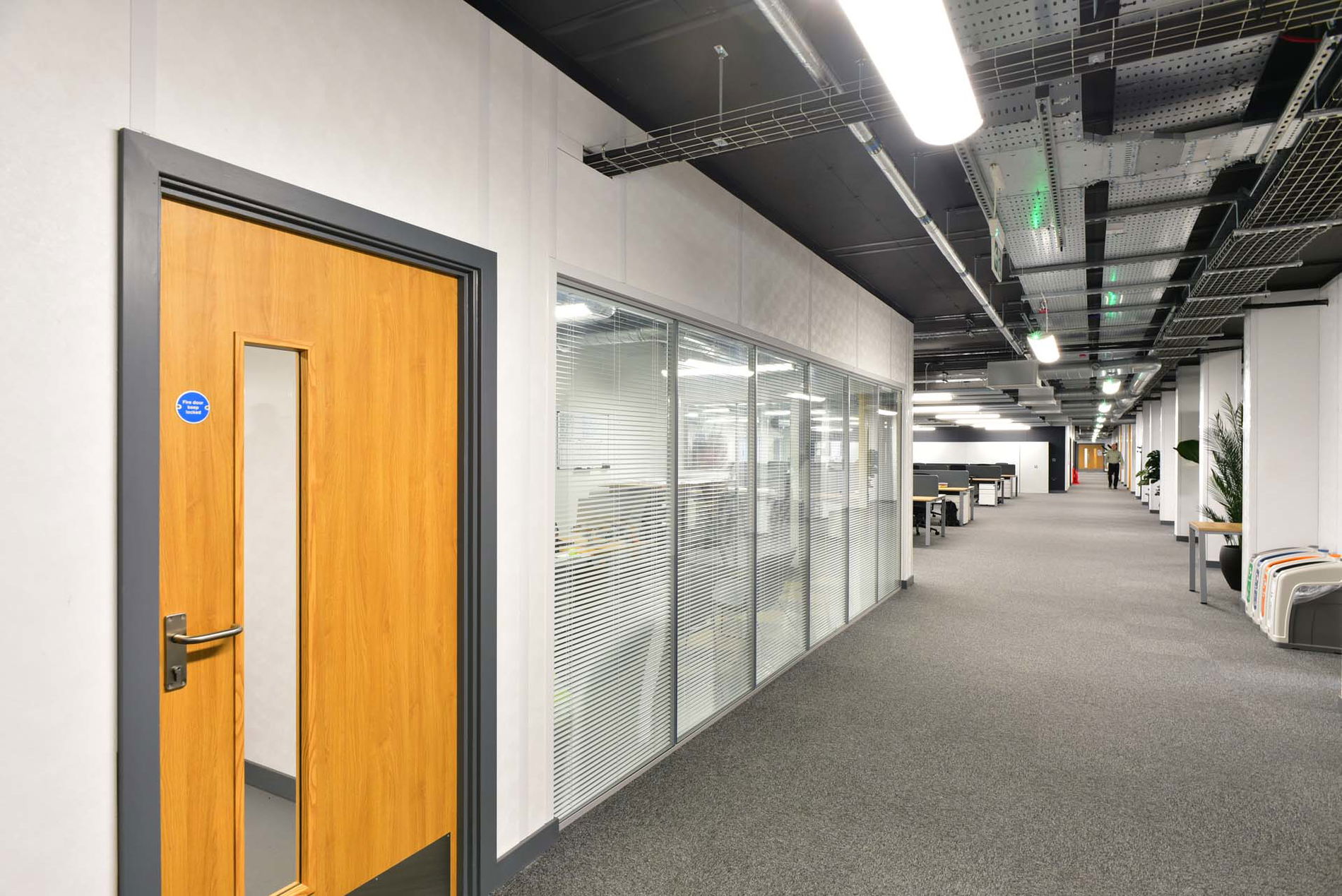
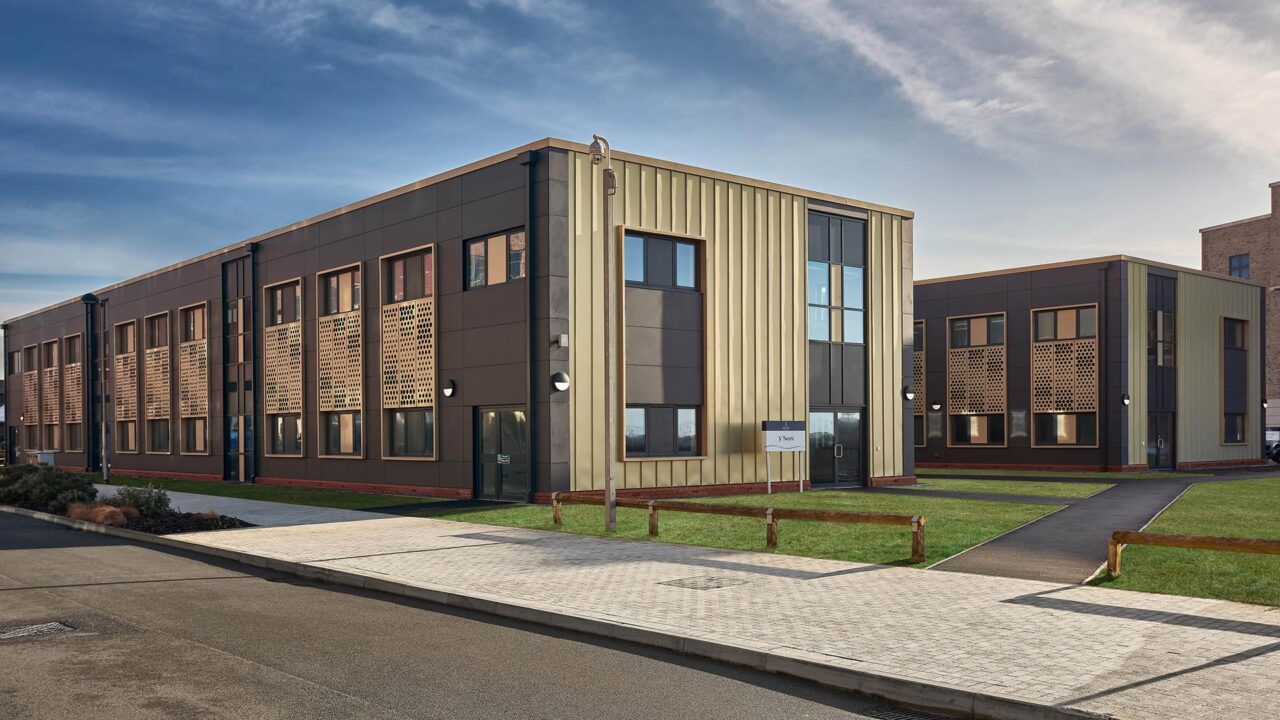
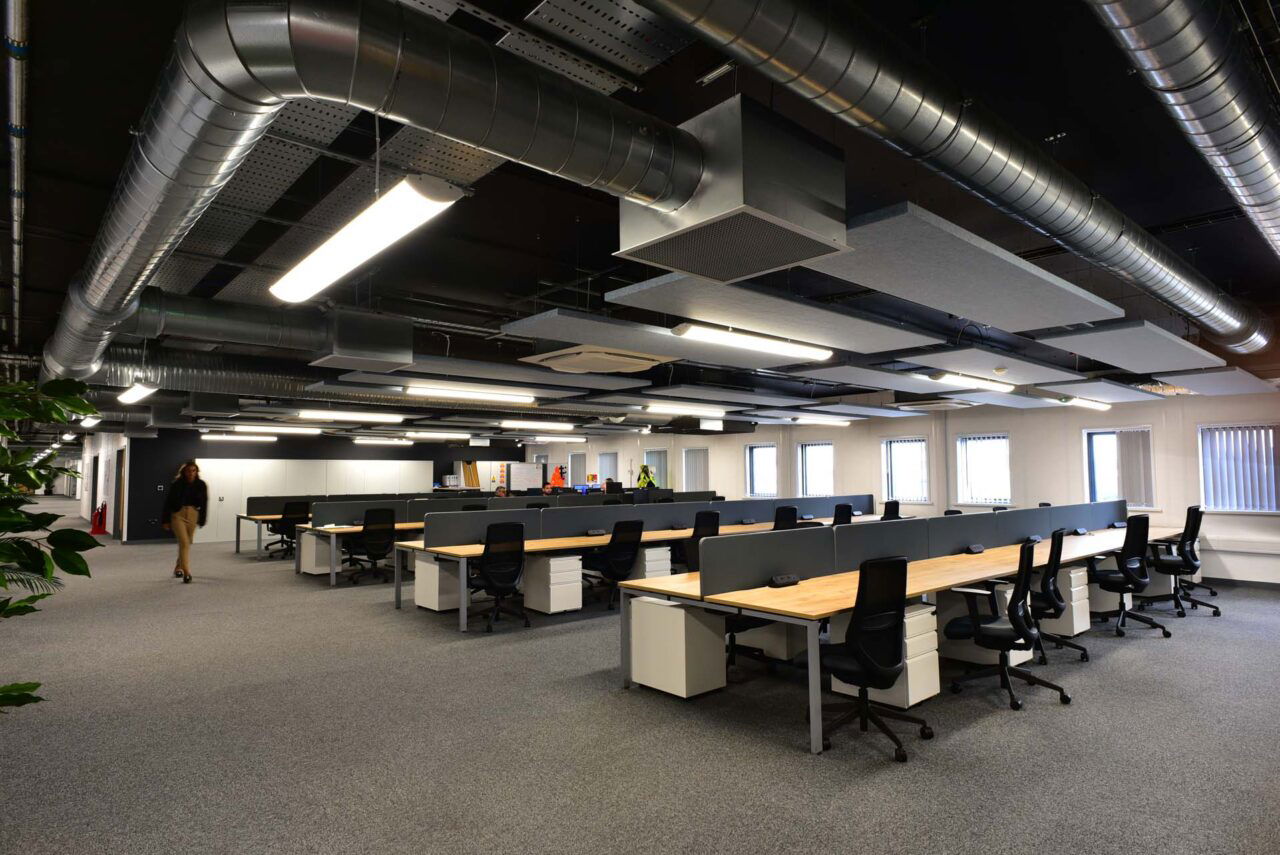
Building 2 was required to provide additional office accommodation, including open-plan working areas, meeting rooms of varying sizes, boardroom facilities with flexible partitioning and supporting welfare amenities.
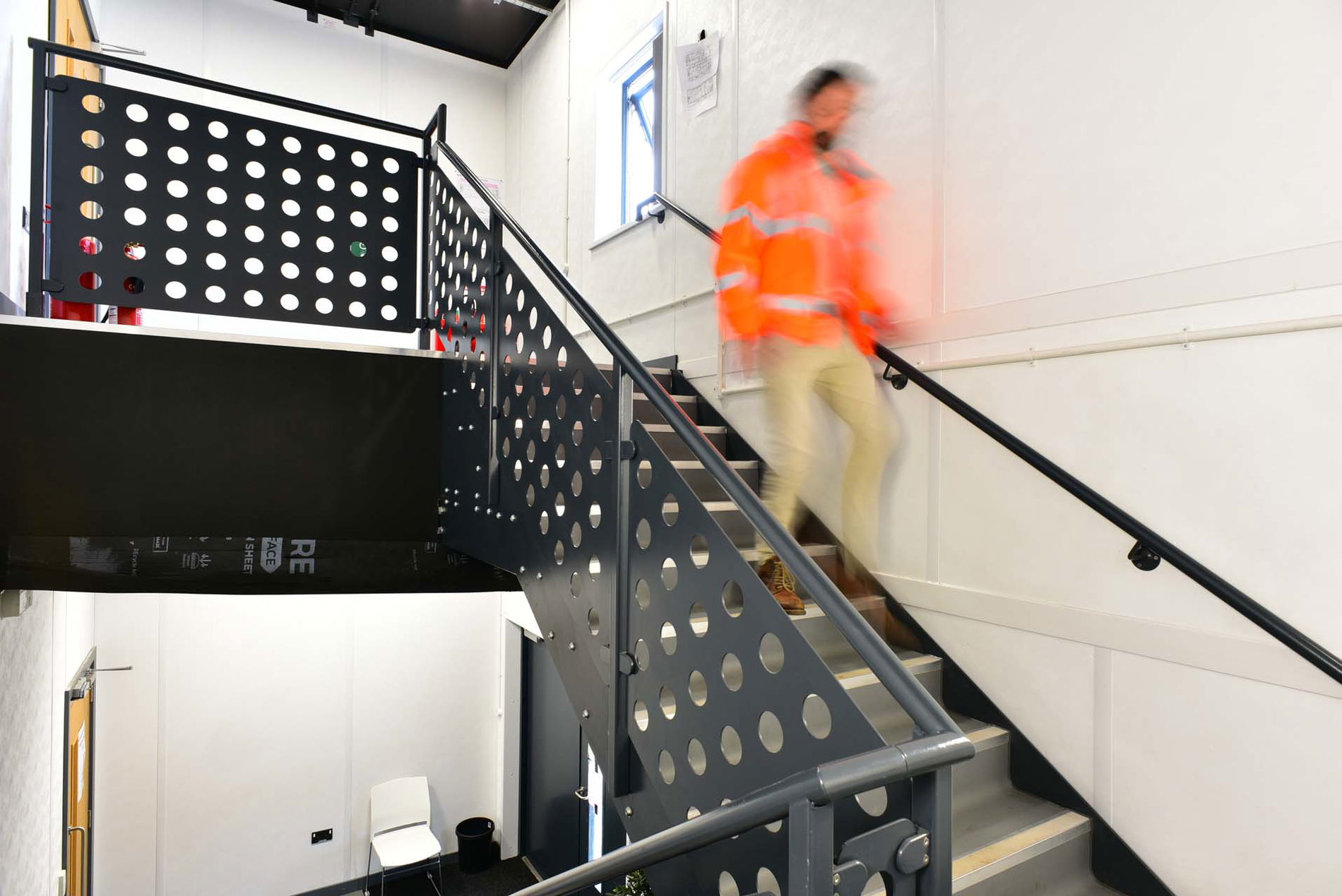
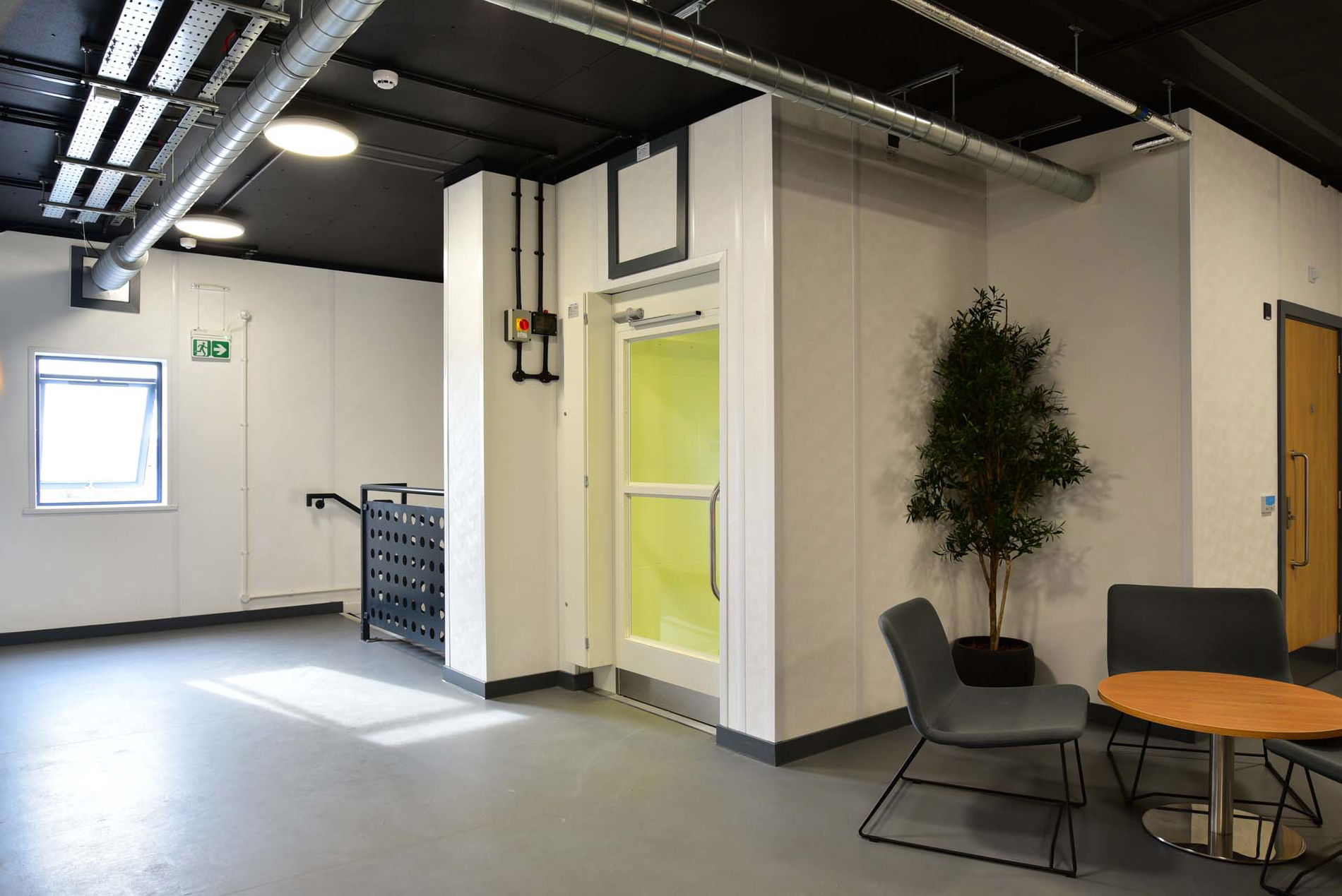
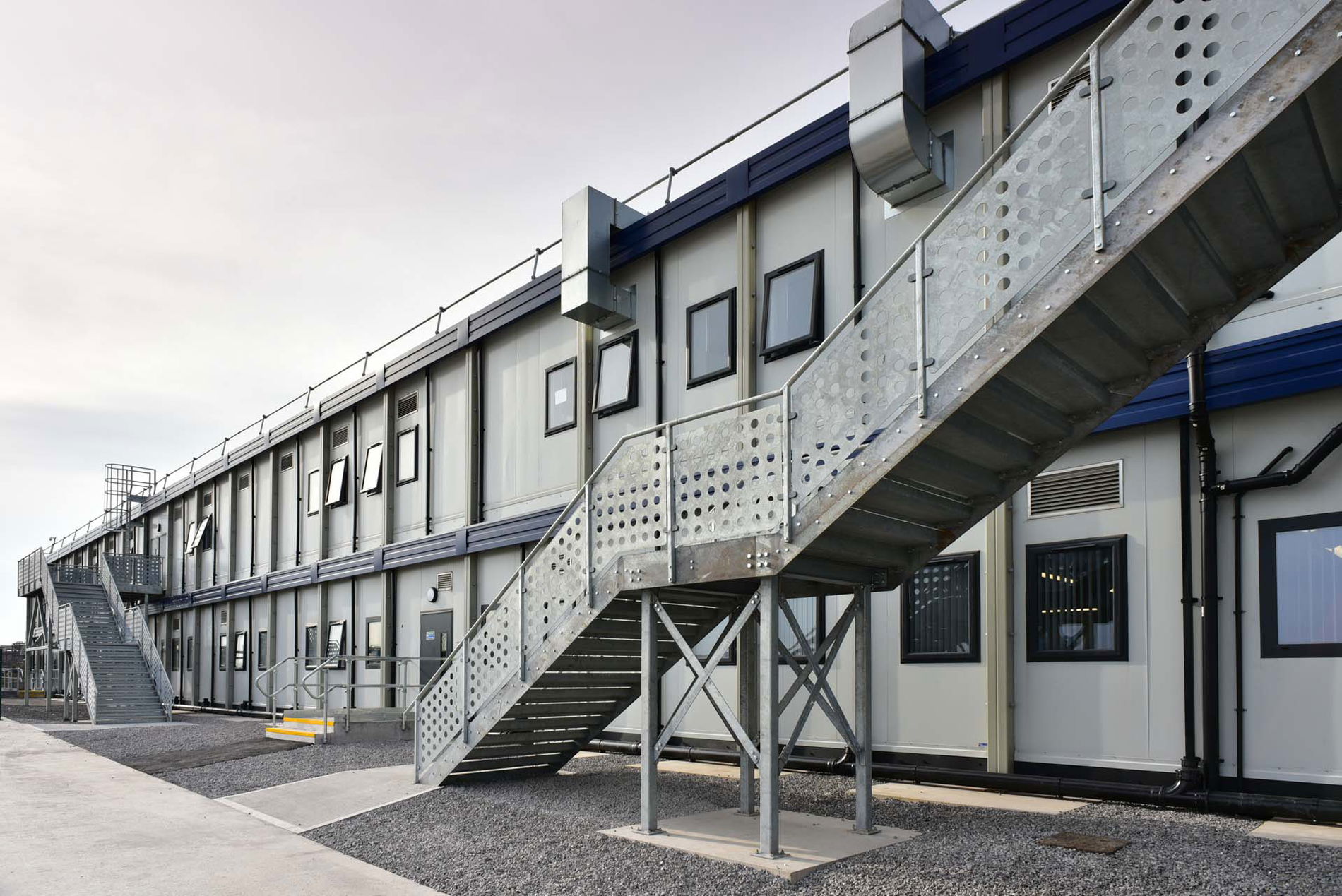
The project also required careful consideration of internal layouts, accessibility and user comfort, including lift access, acoustic performance, fire safety, ventilation and durable finishes suited to a high-traffic environment. Externally, the buildings needed to integrate within the operational Tata Steel site, with secure access, weather protection and provisions for future relocation and permanent installation, ensuring long-term value beyond the initial construction phase.
Given the scale, strategic importance and complexity of the requirements, the solution needed to be delivered efficiently while minimising disruption to ongoing site operations.
- Project name: Tata Steel Project Invictus
- Sector: Infrastructure
- Location: Port Talbot
- Client name: Tata Steel UK Limited
- Supplied by: Wernick Buildings
- Accommodation type: Various Office and Welfare
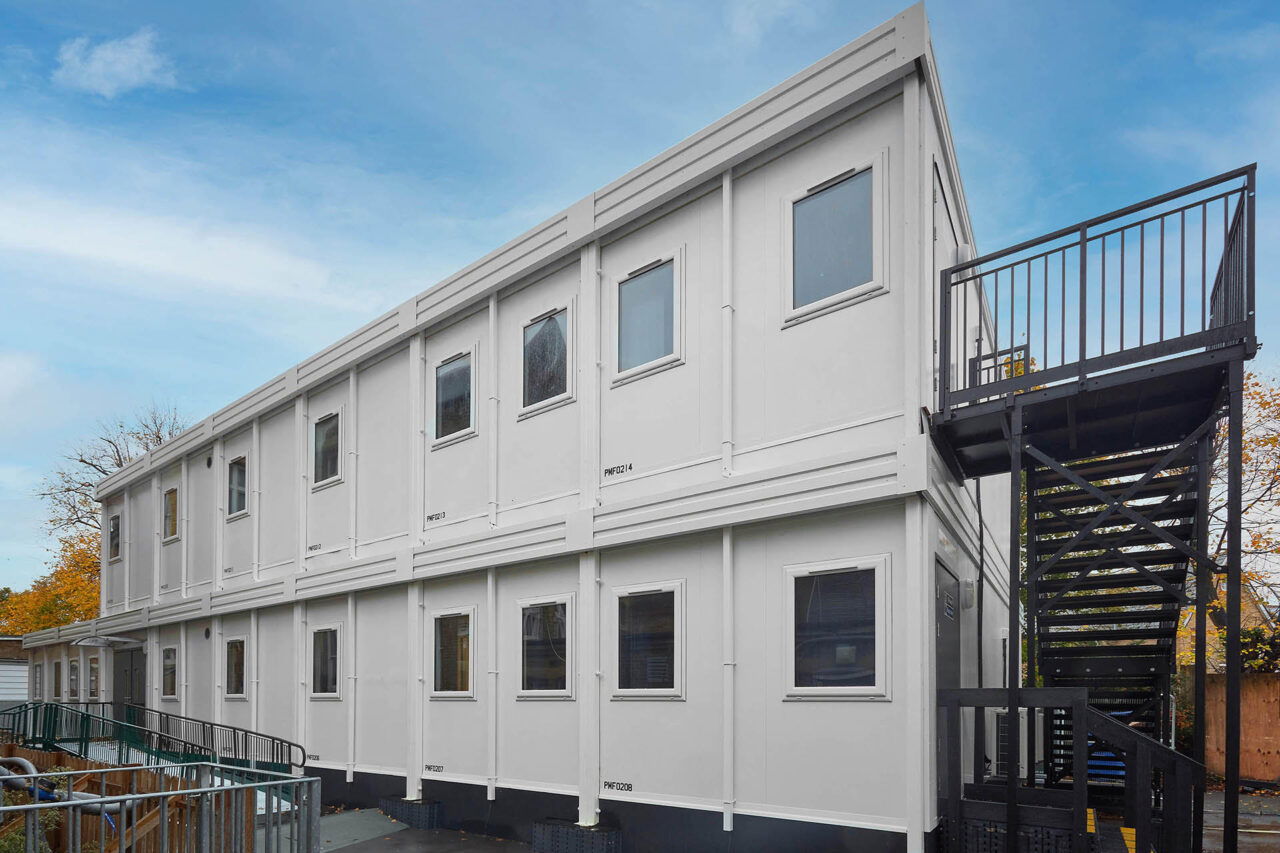
- Size: Building 1 & 2 (linked) – 201 modules
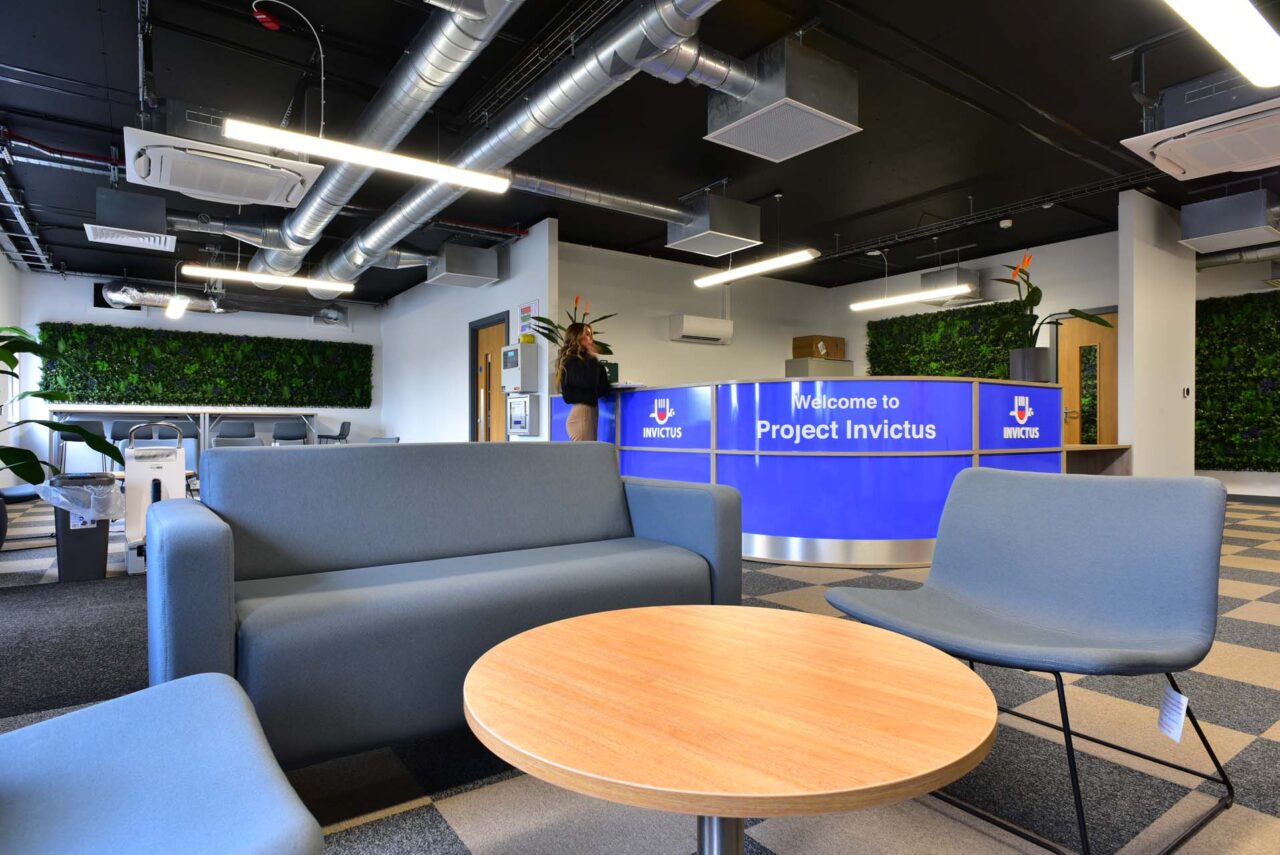
- Features: Reception area, open plan office areas, various size meeting rooms, breakout areas, induction room, occupational health area, showers and lockers, toilets
Both buildings were designed with a strong focus on usability, durability and future flexibility. Notably, elements of the scheme were designed to be relocated and repurposed within the Port Talbot site, with at least one building intended for permanent use as office accommodation following completion of the construction works. This approach maximises long-term value and supports a more sustainable, adaptable estate strategy.
The buildings incorporated fire-rated internal doors, acoustic treatment to meeting spaces, non-slip flooring in welfare areas and robust finishes throughout. Mechanical and electrical systems were fully integrated, including heating, ventilation, lighting, fire alarms, data distribution and access control provisions.
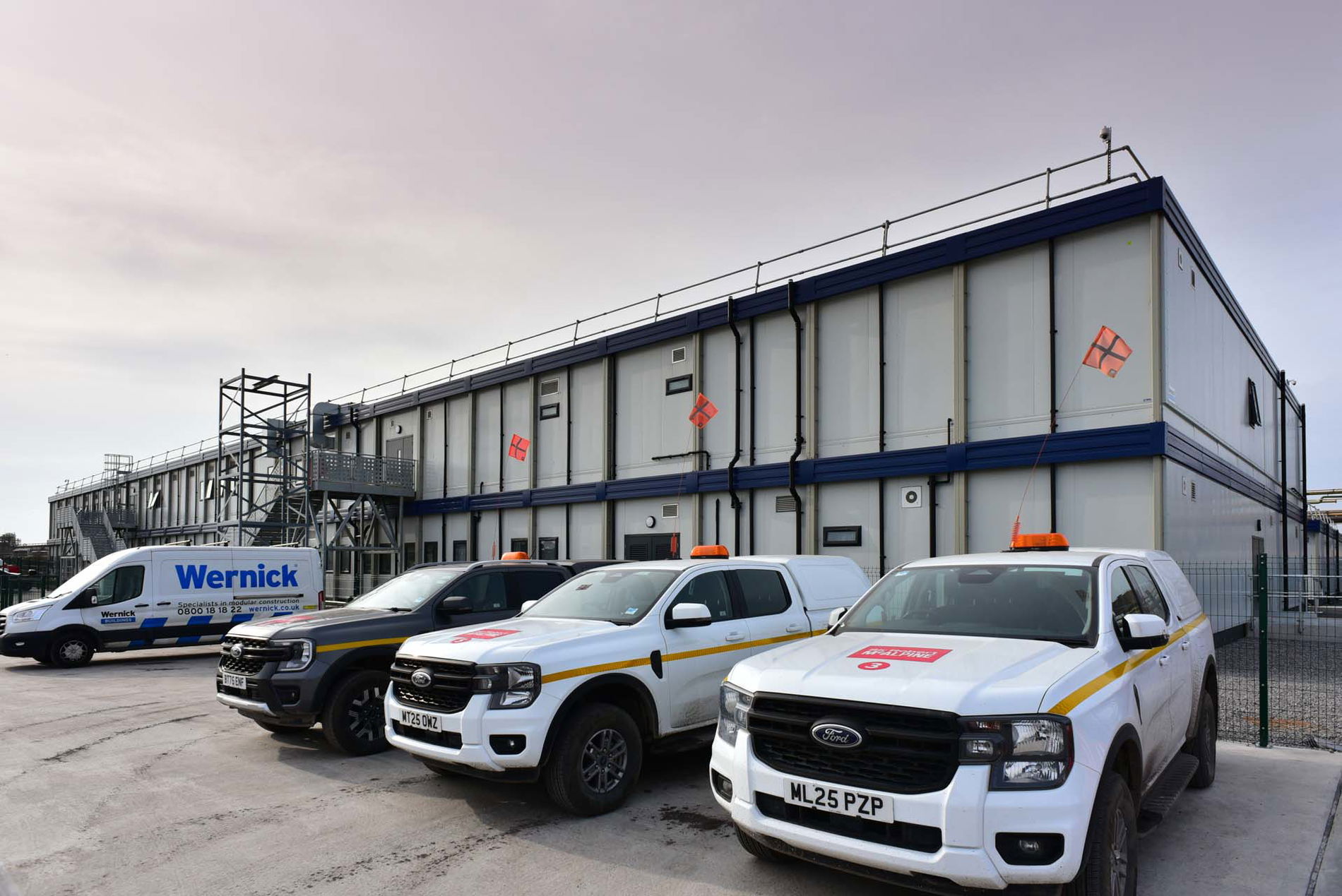
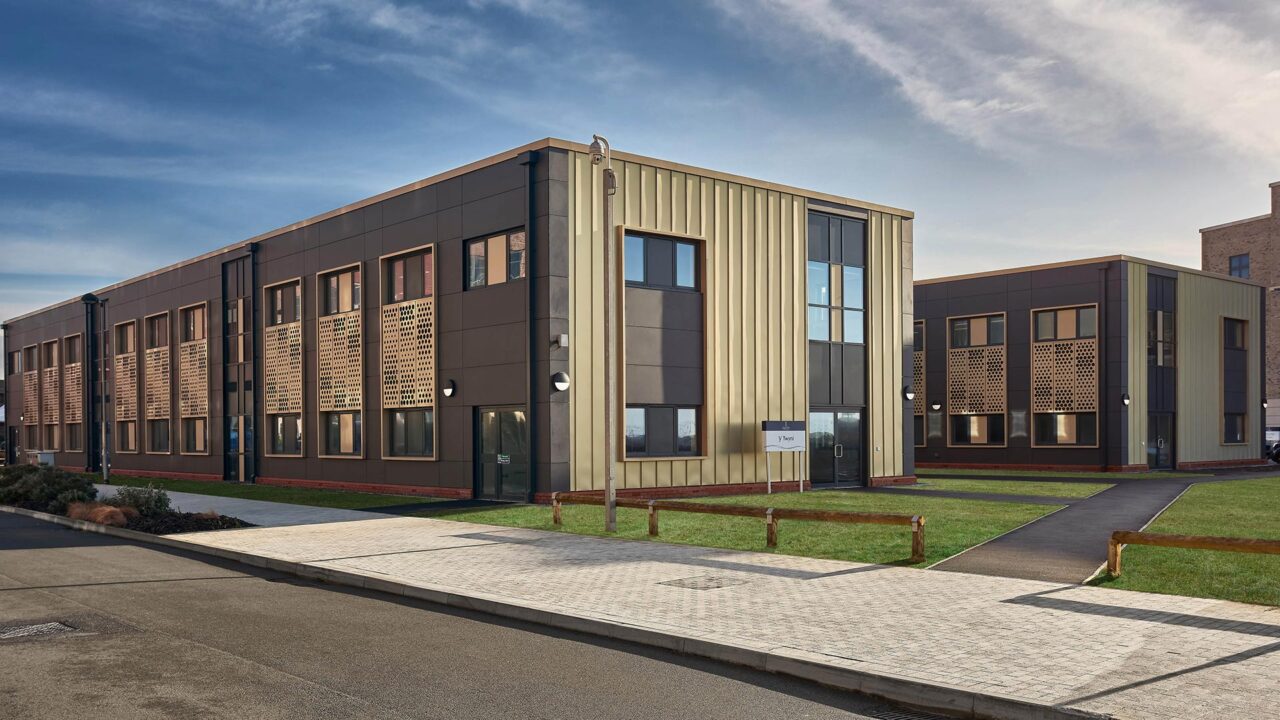
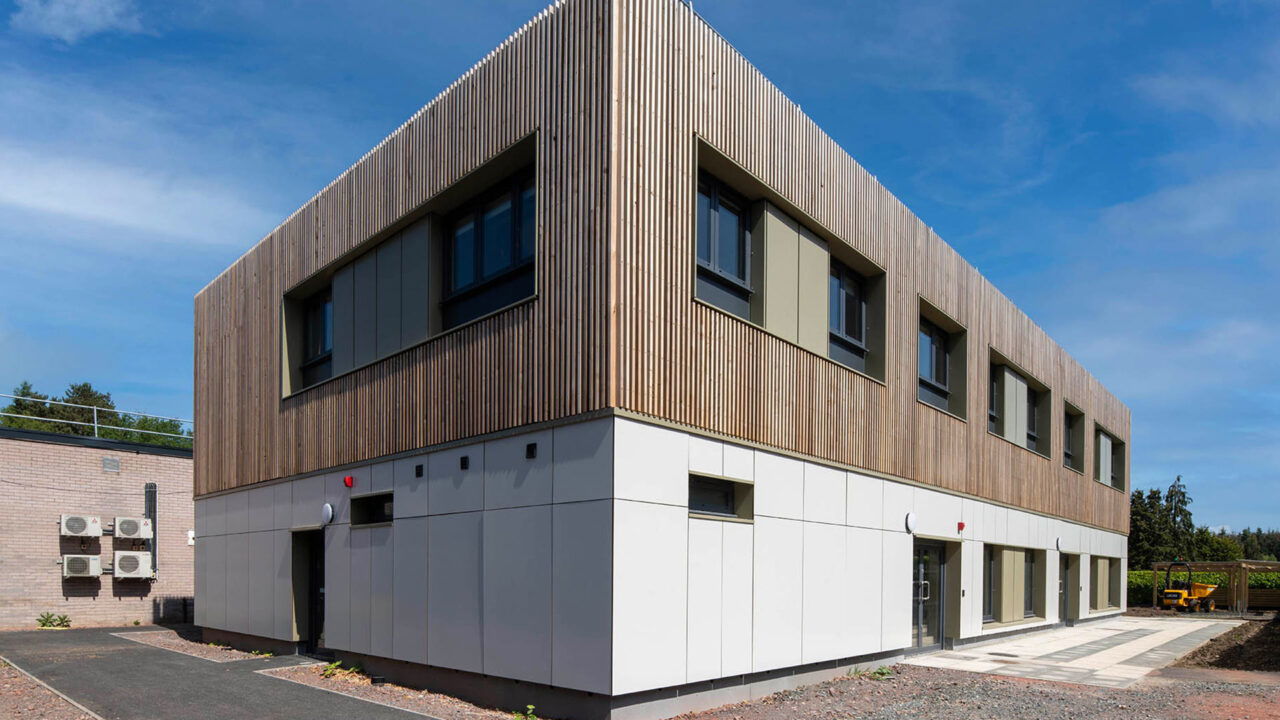
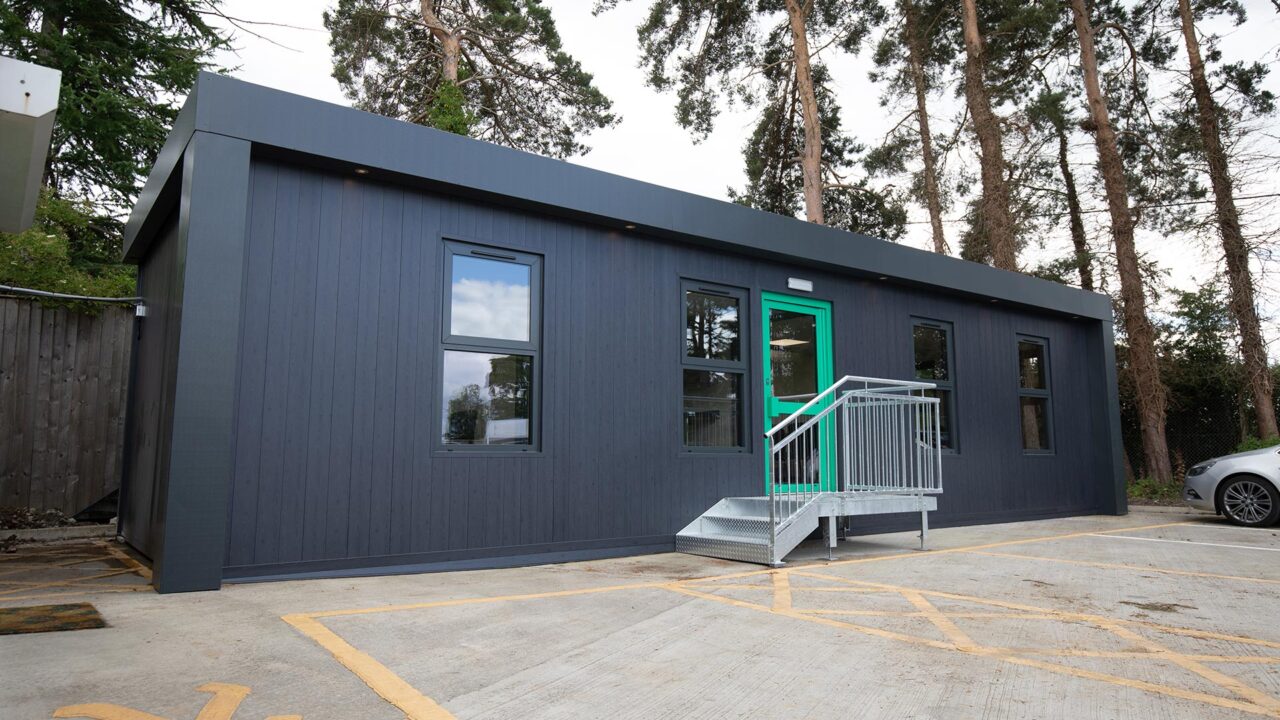
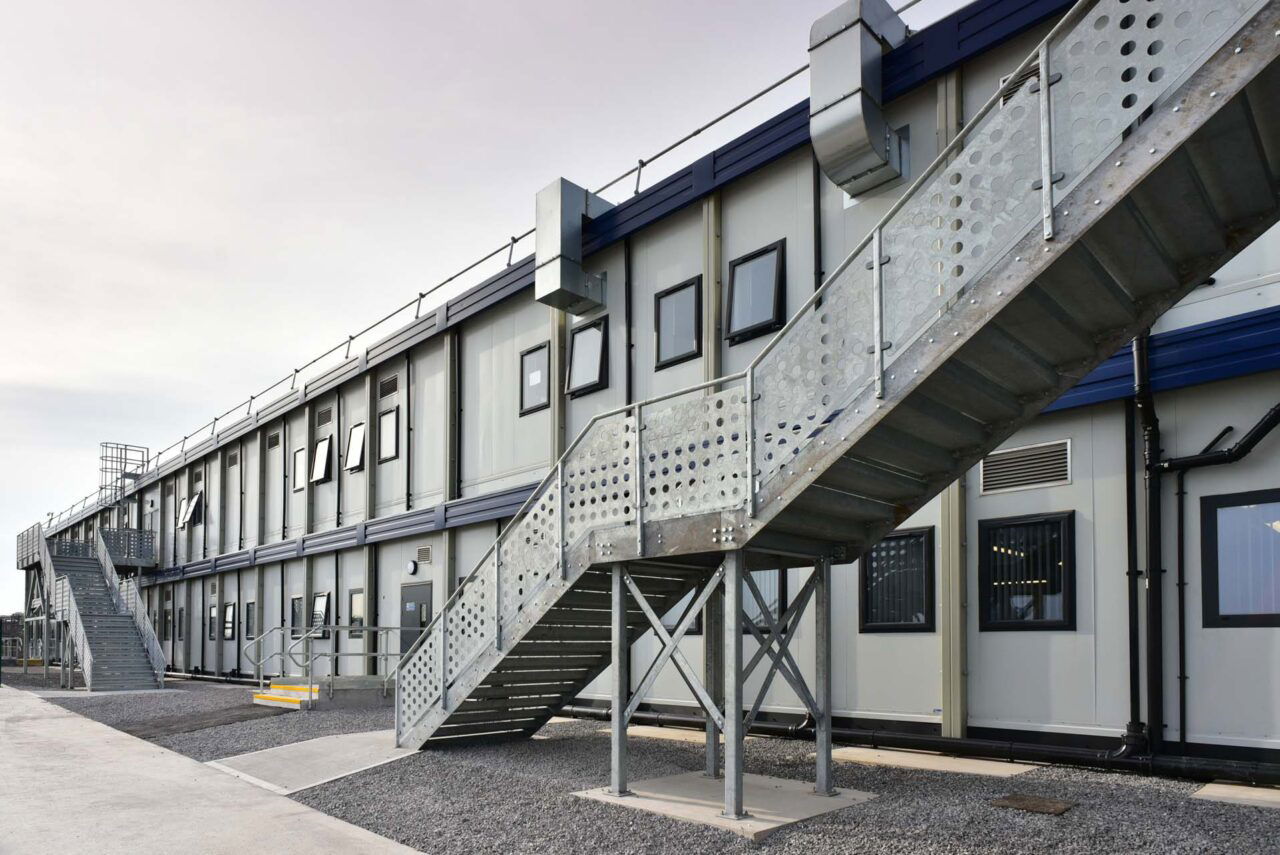
Externally, the buildings were designed to integrate seamlessly within the Tata Steel site, including perimeter detailing, secure access points and provisions for future cladding and relocation. The modular approach enabled significant elements of the buildings to be manufactured off-site in controlled factory conditions, ensuring consistent quality while reducing on-site activity.
This approach allowed for efficient installation and reduced disruption within the live industrial environment, delivering a high-capacity, fully functional workspace and welfare facility aligned with Tata Steel’s operational requirements, both during construction and beyond.
The collaboration has been first class, adapting and delivering it on time for the project.