Modular buildings vs traditional construction
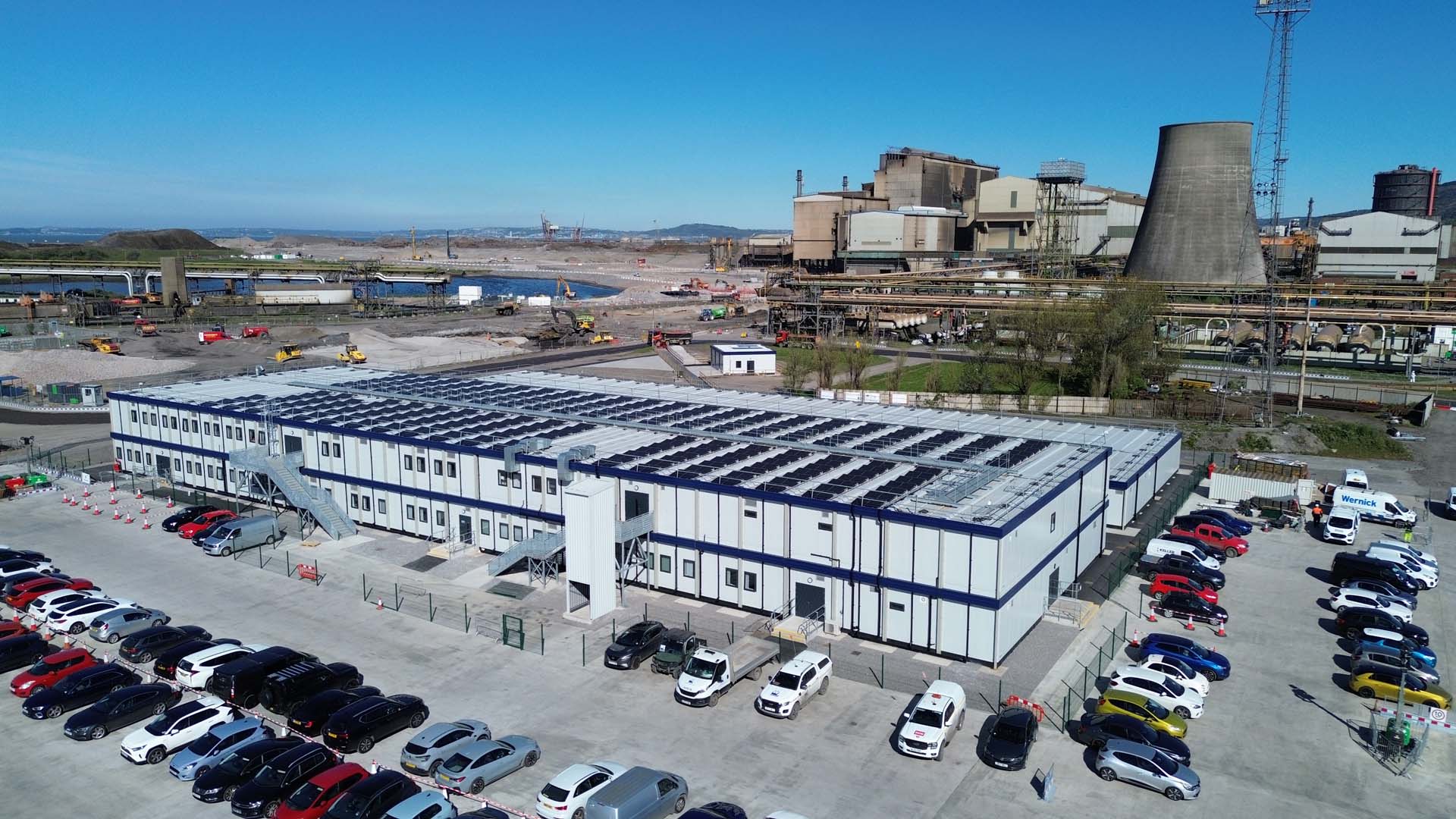
As organisations look to expand estates, improve facilities and respond to changing operational requirements, selecting the right construction method has become increasingly important.
Both modular buildings and traditional construction can deliver high-quality outcomes. However, understanding the differences between the two approaches can help clients, consultants and project teams make informed decisions based on programme requirements, site constraints and long-term objectives.
Understanding the difference between modular and traditional
Traditional construction involves the majority of building activities taking place on site, with materials delivered and assembled over a series of construction phases.
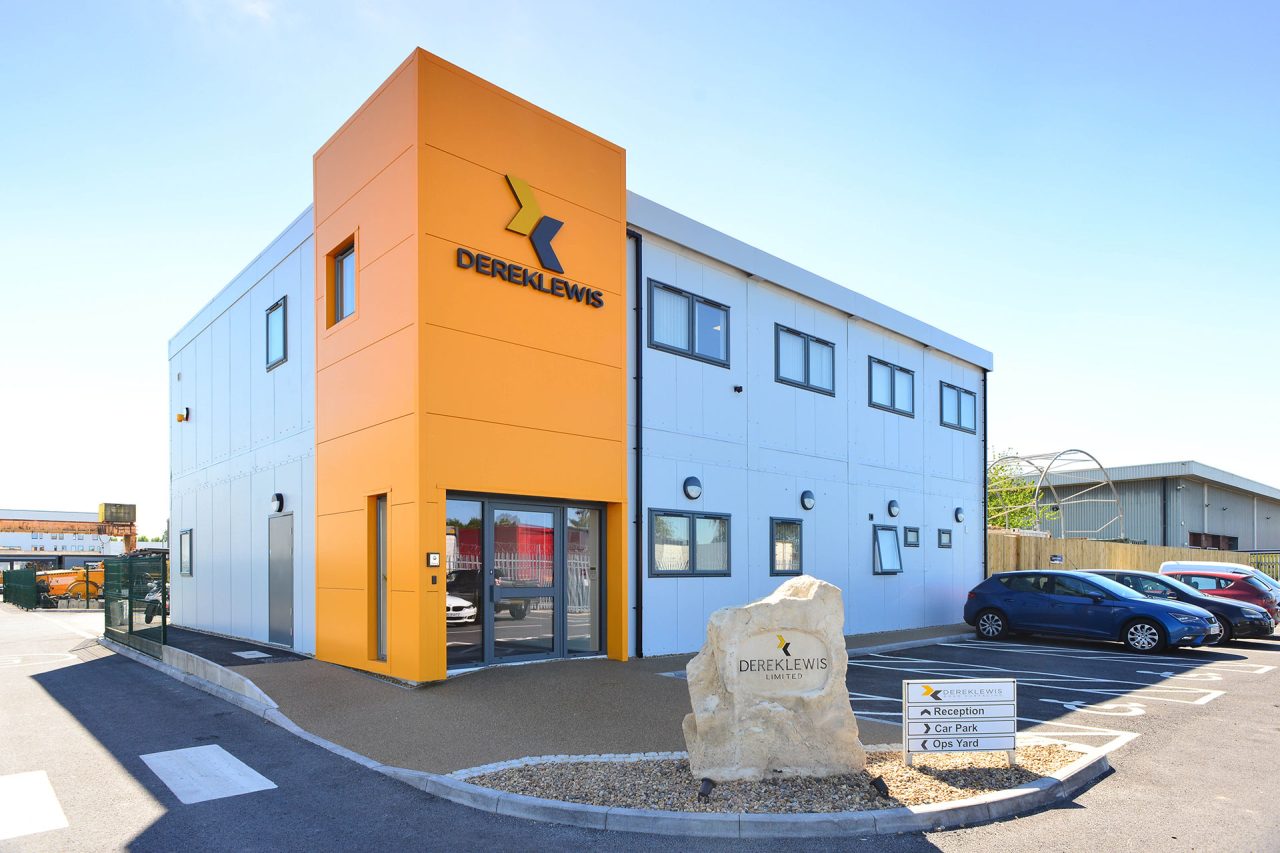
Modular buildings are manufactured in a controlled factory environment before being transported to site for installation. This allows manufacturing and site preparation works to progress simultaneously, helping to reduce overall programme durations and improve delivery certainty.
Speed of delivery
For many projects, speed is a key consideration. One of the main advantages of modular buildings is the ability to undertake manufacturing and groundworks in parallel. This approach can significantly reduce construction programmes compared to traditional methods, allowing facilities to be occupied sooner.
This is particularly valuable for organisations facing increasing demand for space or working to fixed operational deadlines, such as schools preparing for a new academic year or healthcare providers expanding services.
Minimising disruption
Construction projects often take place within live environments where disruption must be carefully managed.
Because the majority of construction activities are completed off site, modular buildings typically require fewer deliveries, reduced on-site activity and shorter installation periods. This helps minimise noise, congestion and disruption for building users.
For schools, healthcare facilities and commercial sites, maintaining day-to-day operations throughout a project can be a significant advantage.
Quality and consistency
Both modular buildings and traditional construction are capable of delivering high-quality outcomes when designed and managed effectively. However, the construction environment differs significantly between the two approaches.
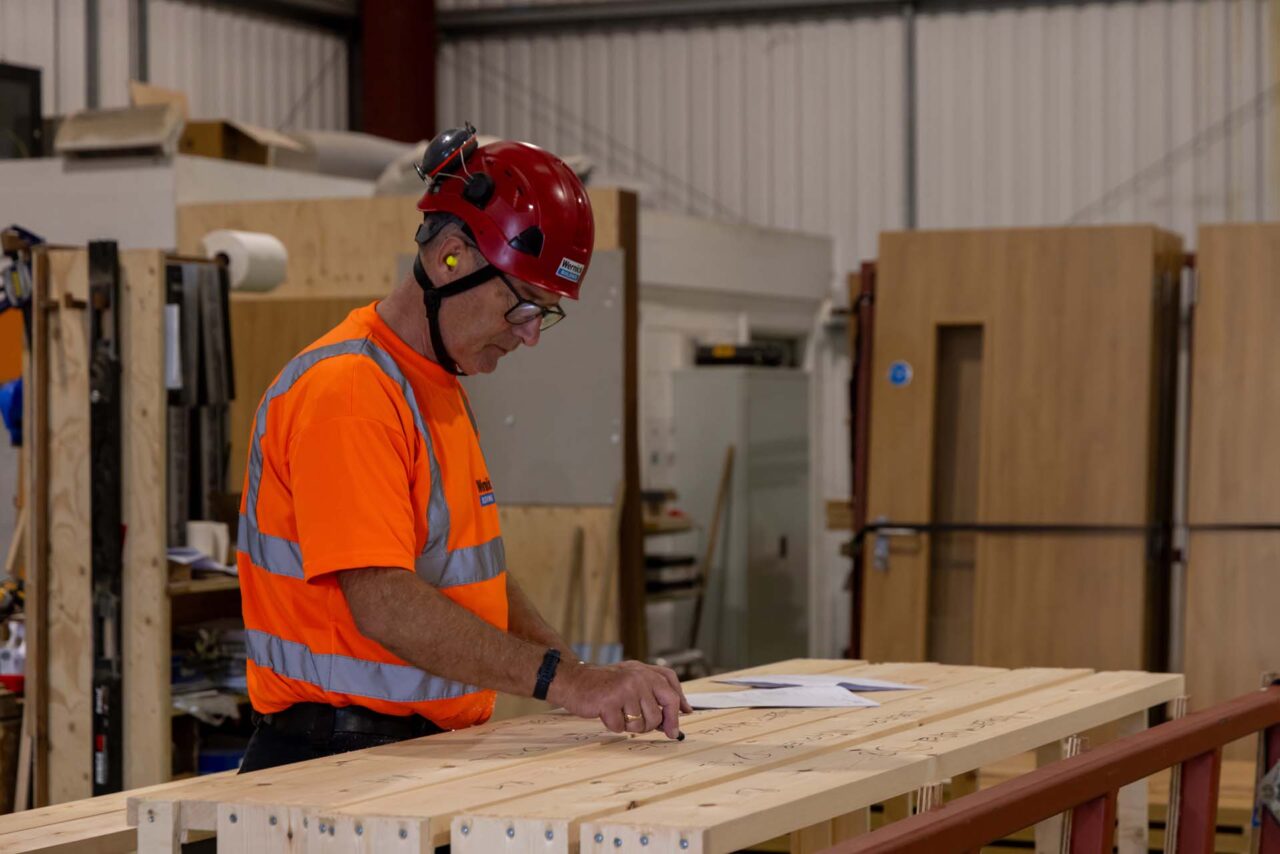
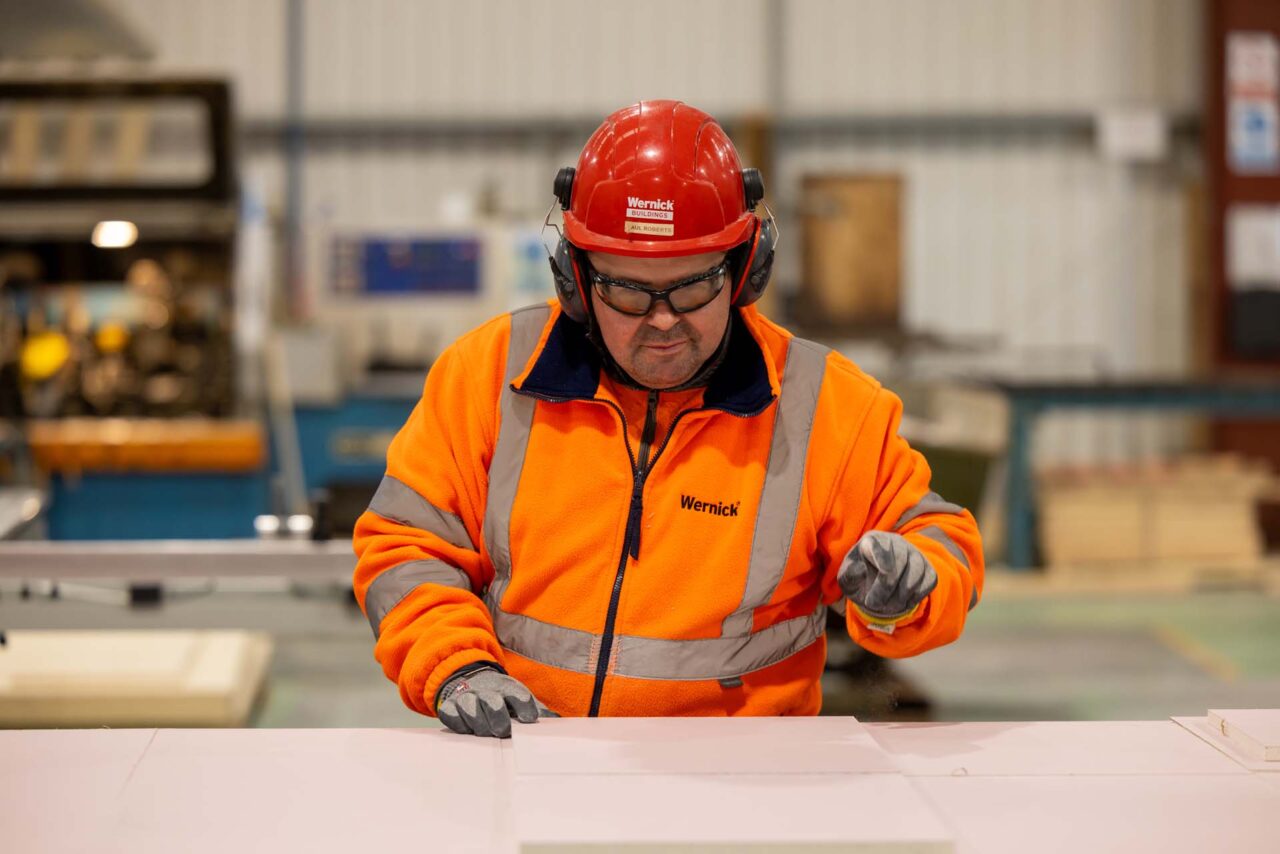
Modern modular buildings are manufactured in factory-controlled conditions using repeatable processes and robust quality assurance procedures. Working within a controlled environment helps improve consistency, reduce the impact of weather and enable multiple inspection stages throughout the manufacturing process.
Traditional construction takes place primarily on site, where progress can be influenced by external factors such as weather conditions, site constraints and programme pressures. As a result, modular construction can provide greater consistency and quality control throughout the build process.
For projects where quality assurance, programme certainty and repeatability are key considerations, modular buildings can offer significant advantages.
Sustainability benefits
Sustainability continues to play an increasingly important role in construction projects.
Modular construction can support sustainability objectives through reduced material waste, efficient manufacturing processes and lower levels of site disruption. Factory-controlled production also enables more efficient use of materials, helping to reduce waste throughout the construction process.
Many modular buildings can also be adapted, expanded or repurposed in the future, supporting long-term flexibility and circular economy principles.
Programme and cost certainty
Programme certainty is often a key driver when selecting a construction method, particularly where projects are linked to operational deadlines, phased occupation or budget constraints.
With traditional construction, project programmes can be influenced by factors such as weather conditions, site constraints, labour availability and unforeseen challenges encountered during the build process. While these risks can be managed, they can sometimes impact delivery timescales and project costs.
Modular buildings are manufactured within a controlled factory environment, reducing exposure to many of these external factors. By allowing manufacturing and site preparation works to progress simultaneously, modular construction can provide greater certainty around programme delivery and project milestones.
This increased predictability helps clients plan budgets, occupation dates and wider operational activities with greater confidence, making modular buildings an attractive solution for projects where certainty is critical.
Choosing the right solution
There is no single construction method that is right for every project.
Traditional construction may be more appropriate for some highly bespoke developments or complex structures. However, for organisations seeking faster delivery, reduced disruption, improved certainty and sustainable construction solutions, modular buildings offer a compelling alternative.
As demand for high-quality space continues to grow across education, healthcare, commercial and public sectors, modular buildings are becoming an increasingly popular choice for delivering modern, future-ready environments.
Discover the benefits of modular buildings
With decades of experience in the design, manufacture and installation of modular buildings, Wernick delivers permanent modular solutions tailored to the needs of each project.
Whether the priority is programme certainty, sustainability, flexibility or long-term performance, modular construction offers a proven route to creating high-quality spaces with minimal disruption.