How modular supports major contractors in meeting ESG and net zero requirements

Environmental, Social and Governance (ESG) performance is now a fundamental requirement for major contractors and public sector clients alike. As the construction industry faces increasing pressure to reduce carbon emissions, prove social value and improve compliance, modular construction is rapidly becoming a key enabler of responsible delivery.
For Tier 1 and Tier 2 contractors managing complex programmes, modular offers clear and measurable ESG benefits, from embodied carbon reductions to enhanced workforce wellbeing and operational efficiency. Here’s how.

Lower carbon from day one
Modular construction significantly reduces the carbon footprint of a project throughout its lifecycle:
- Less embodied carbon through efficient steel use and reduced waste
- Optimised transport logistics with fewer site deliveries
- Enhanced building performance due to controlled manufacturing
- Opportunities for reuse and repurposing instead of demolition
Refurbished modular buildings go even further, retaining primary structural components and preventing tons of carbon-intensive materials from entering the waste stream, delivering immediate progress toward net zero targets.
Circular construction in practice
Modular naturally supports a reuse-first approach, allowing buildings to:
- Be relocated, reconfigured or repurposed over time
- Extend their lifecycle without extensive redevelopment
- Support long-term value beyond the initial project
Better health, safety and community outcomes
Governance isn’t just about paperwork, it’s about people. Modular reduces risk and improves working conditions by:
- Shifting up to 80% of construction into a safer factory environment
- Minimising disruption in live operational settings like schools and hospitals
- Reducing noise, dust and traffic impact on local communities
This aligns fully with client priorities around public safety, stakeholder wellbeing and ethical working practices.
Guaranteed waste reduction
With precise factory manufacturing, modular builds produce significantly less waste:
- Materials are ordered in exact volumes
- Off-cuts are reused consistently within production lines
- Waste is easier to segregate and track
This supports compliance with waste reporting requirements and boosts overall ESG scoring on large frameworks.
Social value delivered nationwide
For contractors working under public sector Social Value Model scoring, modular delivers measurable impact:
- Local jobs and apprenticeships supported by nationwide factory networks
- Collaboration with regional supply chains
- Shorter site durations reduce disruption to local businesses and communities
Social value is embedded, not added on.
Data transparency for compliance
Major contractors must provide evidence to clients across:
- Carbon reporting
- Circularity and lifecycle impacts
- Social value outcomes
- Health & safety performance
Modular manufacturing provides controlled data capture, enabling:
- Clear, auditable ESG metrics
- Reliable reporting from design through operation
- Provable delivery against net zero pathways
Modular: A proven route to net zero construction
For Tier 1 and Tier 2 contractors, modular is more than a construction method, it’s a strategic asset in delivering:
✔ Net-zero commitments
✔ Responsible procurement compliance
✔ High-quality built environments
✔ Improved commercial certainty
✔ Better social outcomes
Partnering with Wernick Group
Wernick Group supports contractors with three flexible pathways to meet sustainability objectives:

Permanent modular buildings designed for long-life performance
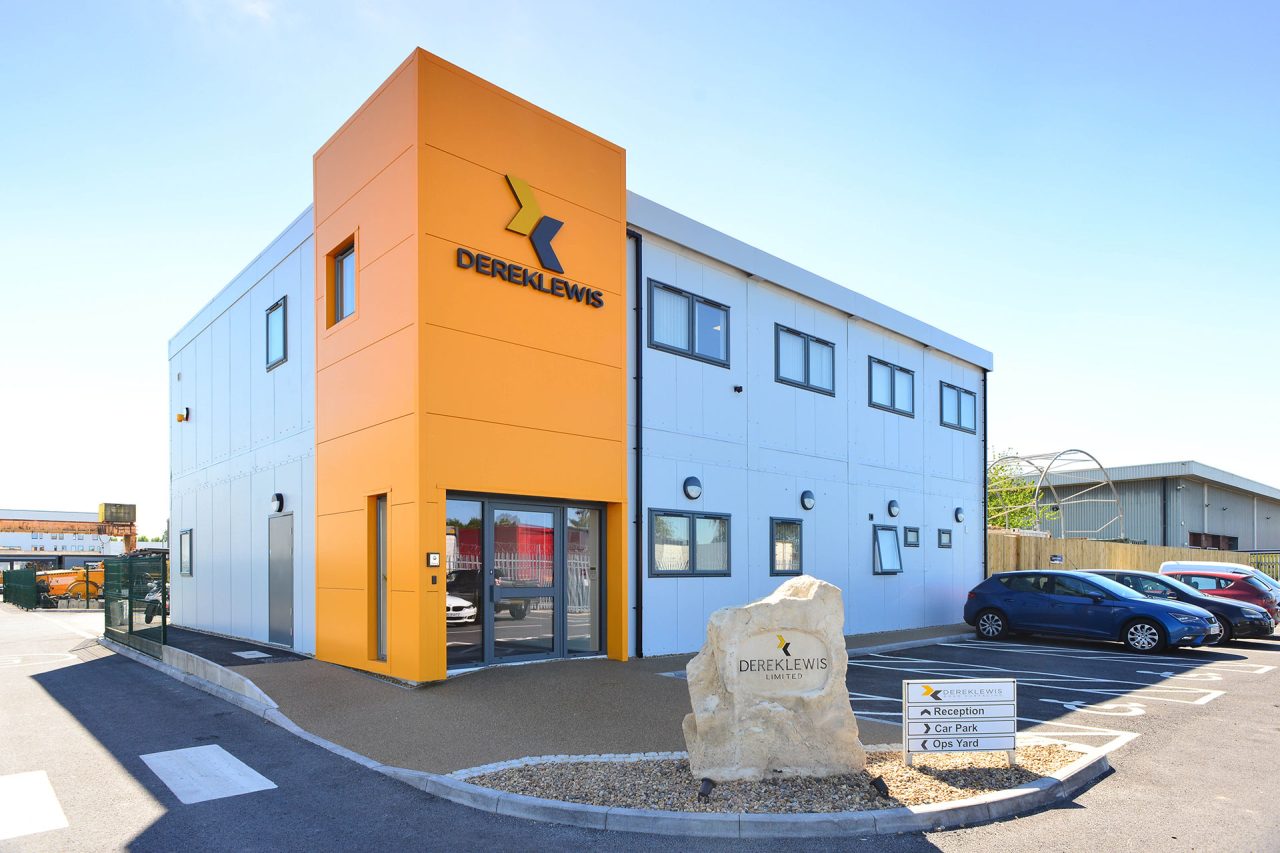
Refurbished modular solutions supporting carbon reduction and cost efficiency

Rapid hire accommodation minimising environmental and societal disruption
Ready to Meet Your ESG Goals?
Speak to our specialist team to explore how modular can improve the environmental and commercial performance of your upcoming projects.